


 U.S. Disrupts China-Linked Hacking Campaign Targeting Government Agencies
  Faraday Future Delivers First Robots in Middle East, Plans September Launches
  Nvidia Revenue Soars 106% as AI Demand Hits ‘Inflection Point’
  Google Expands Gemini Enterprise With AI Tools for Legal Sector
  Nvidia Eyes Perplexity Investment at $30 Billion Valuation
  Luxshare Shares Rise as First-Half Profit Jumps 18%
  Pinterest Stock Falls as CFO Julia Brau Donnelly Resigns
  Unitree Shares Plunge 45% After Blockbuster IPO, Raising China Tech Bubble Fears
  OpenAI Data Center Chief Chris Malone Exits Ahead of Planned 2027 Listing
  SoftBank Eyes $20 Billion Bond Sale to Refinance OpenAI Loan
  HP Stock Drops 9% Despite Q3 Earnings Beat and Raised 2026 Outlook
  Salesforce Shares Surge as AI Demand Powers Q2 Earnings Beat
  Nvidia Reportedly Eyes $13 Billion Hugging Face Acquisition
  Trump Buys SpaceX Shares After Record IPO
  New Zealand Moves to Ban Social Media for Children Under 16


 Add as a preferred source on Google
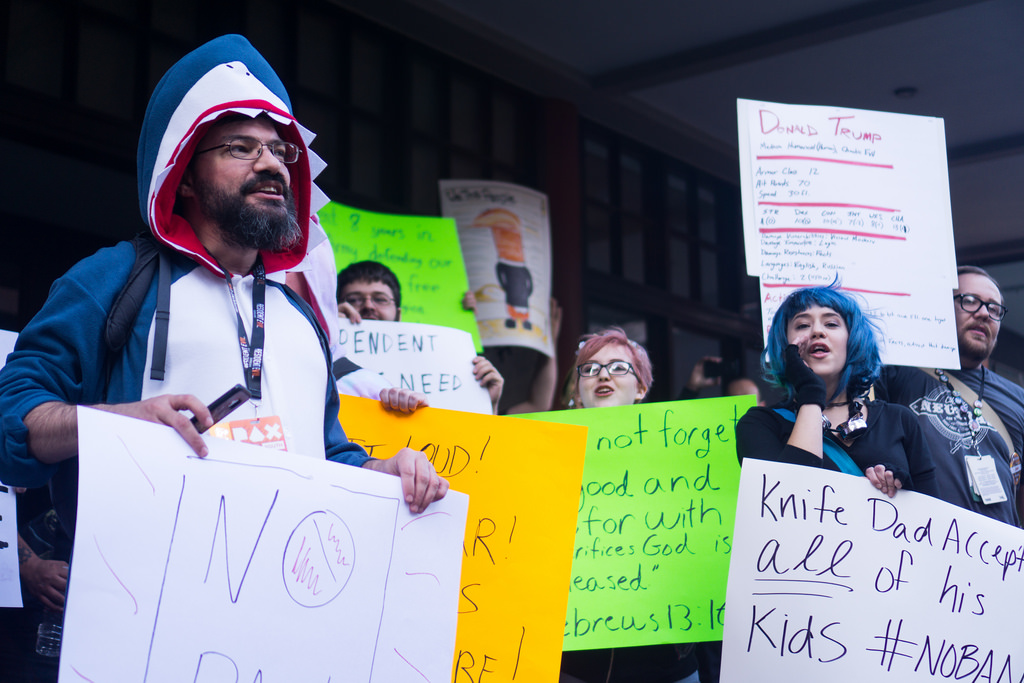
The recent attempt by the Trump administration to issue a travel ban specifically targeting Muslim-majority countries has already been met with legal firewalls. For the moment, it seems that the new executive order is not going to pass, just as the first one crashed and burned. However, another notable aspect to this new Muslim Ban is the absence of tech companies like Apple, Facebook, and Google.
During the first kerfuffle involving this discriminatory executive order, tech giants were one of the first to come to the aid of refugees, migrants, and legitimate US citizens who were being singled out in airports because they were flying in from one of the banned countries on Trump’s list. As with the case, an amicus brief condemning this new attempt was filed, which none in the trio signed, Recode reports.
The latest amicus brief contains the signatures of private individuals and dozens of tech companies, all of whom show their complete opposition to this new travel ban. It would have sent a stronger message had Apple, Facebook, and Google joined in. Even Amazon declined to provide its support despite expressing outrage during the first Muslim Ban.
What makes this development even more startling is the lack of explanation from any of the companies as to why they are no longer committing the same way as other firms have done. The best that Recode could get was a confirmation from a Facebook spokesperson that the social media site would indeed be withholding its signature this time around. No reason was given.
As Reuters points out, there is still time for these and other companies to join in as it moves through the legal process. Uber has already cast its lot in with the brief, though, it certainly needed the positive coverage considering all of the recent scandals it has endured. Whether or not Apple or any of the others would change their minds is the question of the day.







