


 Anthropic Eyes $350 Billion Valuation as AI Funding and Share Sale Accelerate
  Instagram Outage Disrupts Thousands of U.S. Users
  Palantir Stock Jumps After Strong Q4 Earnings Beat and Upbeat 2026 Revenue Forecast
  SoftBank and Intel Partner to Develop Next-Generation Memory Chips for AI Data Centers
  Sam Altman Reaffirms OpenAI’s Long-Term Commitment to NVIDIA Amid Chip Report
  SoftBank Shares Slide After Arm Earnings Miss Fuels Tech Stock Sell-Off
  SpaceX Pushes for Early Stock Index Inclusion Ahead of Potential Record-Breaking IPO
  Nvidia Confirms Major OpenAI Investment Amid AI Funding Race
  Sony Q3 Profit Jumps on Gaming and Image Sensors, Full-Year Outlook Raised
  Elon Musk’s SpaceX Acquires xAI in Historic Deal Uniting Space and Artificial Intelligence
  Oracle Plans $45–$50 Billion Funding Push in 2026 to Expand Cloud and AI Infrastructure
  Nvidia CEO Jensen Huang Says AI Investment Boom Is Just Beginning as NVDA Shares Surge
  Baidu Approves $5 Billion Share Buyback and Plans First-Ever Dividend in 2026
  SpaceX Prioritizes Moon Mission Before Mars as Starship Development Accelerates


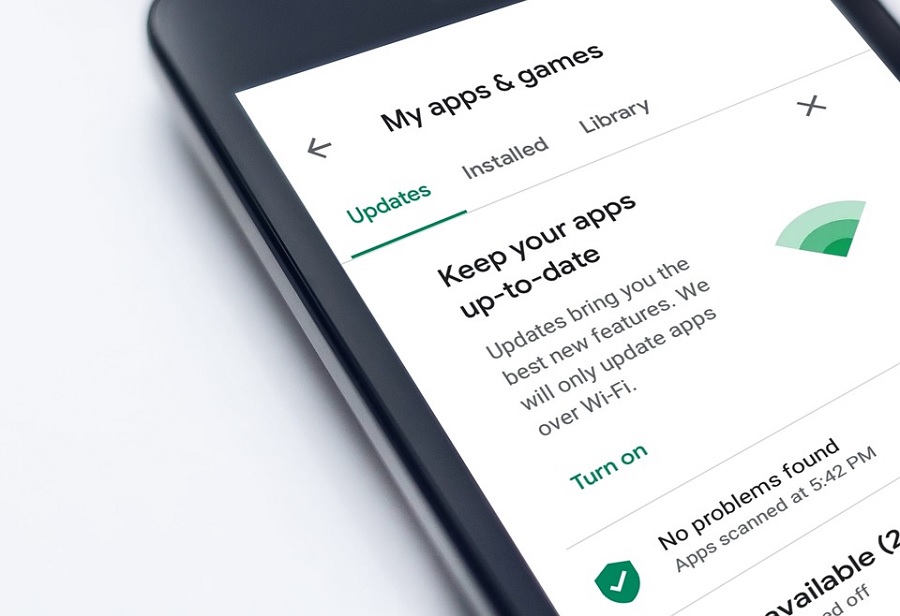
Google has removed nine Android apps that were reportedly injected with a trojan that could have stolen Facebook passwords. However, the apps have been downloaded by millions before they were taken down from Google Play.
Anti-virus developer Doctor Web reported last week that it discovered 10 trojan apps – nine of which were available on the Play Store – with mechanisms to steal Facebook passwords from their users. Names of the nine Android apps include Processing Photo, App Lock Keep, Rubbish Cleaner, Horoscope Daily, Horoscope Pi, App Lock Manager, Lockit Master, Inwell Fitness, and PIP Photo. At the time of the Android trojan apps’ discovery, they reportedly had more than 5.8 million downloads, with Processing Photo having the most installs at more than 500,000.
Doctor Web found five versions of malware injected in the trojan Android apps. Three of them – Android.PWS.Facebook.13, Android.PWS.Facebook.14, and Android.PWS.Facebook.15 – were from native Android apps. Android.PWS.Facebook.17 and Android.PWS.Facebook.18 were reportedly using the Flutter framework for developing apps with cross-platform compatibility.
The same report noted that these apps were fully functional, thus, making them less suspicious. The cybersecurity firm added that some of the trojan-injected Android apps encouraged its users to log in with their Facebook accounts in exchange for ad-free services or to unlock more features. With many apps, both on Android and iOS, already ask or require Facebook logins, such a request may not immediately seem shady.
A standard Facebook login page was reportedly displayed where users would be able to enter their credentials, including their passwords. The Facebook web page was reportedly loaded into WebView, then a JavaScript from a command and control (C&C) server is loaded into the same WebView. “This script was directly used to highjack the entered login credentials,” Doctor Web explained. The login credentials were then sent to the C&C server. The trojan Android apps also reportedly acquired cookies from existing authorization that were sent to the attackers as well.
The apps are no longer available on the Play Store as of this writing, but some of them are still downloadable from third-party websites where Android users can sideload them. Google confirmed to ArsTechnica that the developers of the nine apps have been banned from the platform.
Photo by mohamed_hassan from Pixabay













