


 Apple Stock Dips as Tim Cook Steps Down, John Ternus Named Next CEO
  Hyundai Plans 20 New Models in China to Boost EV Strategy and Market Share
  Kakaku.com Stock Surges on EQT Takeover Interest Amid Rising Japan Deal Activity
  Intel Stock Surges as AI Chip Demand Drives Strong Q2 Forecast
  Tesla Earnings Beat Expectations as EV Growth Holds Amid Robotics and AI Shift
  Samsung Boosts DRAM Supply to Tesla as AI-Driven Memory Demand Surges
  Florida Investigates OpenAI and ChatGPT Over Alleged Role in FSU Shooting
  Ethiopian Airlines Expands Fleet with New Boeing 787 Dreamliner Order to Boost Global Routes
  Jeff Bezos Eyes $10 Billion Funding Round for AI Venture Project Prometheus
  Meta Expands AI Training With Employee Activity Tracking Tools
  Amazon Expands AI Bet with Up to $25 Billion Investment in Anthropic
  Elon Musk Faces French Probe Over X and Grok Amid Rising U.S.-EU Tensions
  Elon Musk Signals Intel 14A Chips for Tesla’s Terafab AI Semiconductor Venture
  Daiichi Sankyo Stock Drops After Earnings Delay and Oncology Review
  OPmobility Reports Q1 Revenue Dip Amid Automotive Industry Slowdown
  LG Innotek Stock Hits Record High on $68M Automotive Wi-Fi 7 Deal
  SK Hynix Reports Record Q1 Profit Surge Driven by AI Memory Chip Demand


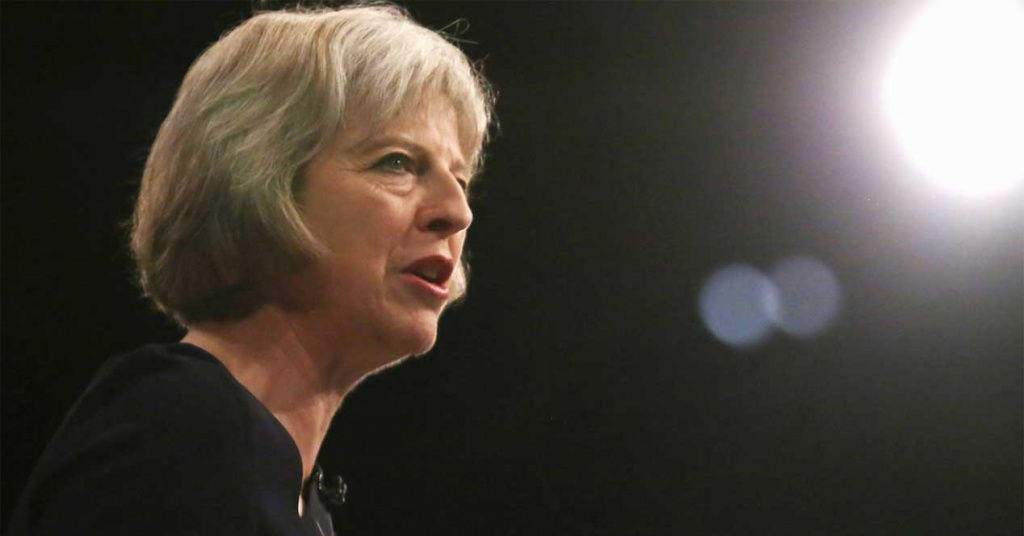
Britain Prime Minister Ms. Theresa May is expected to trigger Article 50 sometime before the end of March 2017 and officially initiate the process of UK formally leaving the EU. Speaking at a Conservative party conference in October, Ms. May announced that the Article 50 of the Lisbon treaty will be triggered “no later than the end of March." With days running out fast, the notification to the EU is expected to be made soon and kick-off the negotiation processes; in order to ensure a smooth transition and peaceful coexistence thereafter. However, the negotiation process expected to take 2 years from the date UK notifies the EU officially of its wish to exit the union is not going to be a walk in the park.
Trade agreements & free flow of capital
Top on the agenda in the negotiations will be the issue of free flow of capital between the rest of the EU countries and the UK. The UK has been one of the largest contributors to the EU budget and their exit will definitely be a big blow to the EU economic stability. On the other hand, the UK also used to enjoy a wide market for its goods and services within the 27 EU member countries; hence it will in probably equal measure experience the pain of leaving too. As a member of the EU, Britain benefited from the joint trade agreements entered into with the rest of the world by the EU as an economic block. Now that it is leaving after the triggering of Article 50, most or all of those benefits will be wiped out and the UK will have to start renegotiating new trade agreements with the EU in order to allow for a smooth flow of capital into and out of the economic zone.
The above realignment of economic relationships between the EU and the UK will adversely affect business if an outcome favorable to the business people is not arrived at. The business community in both the UK and the EU is calling for a smooth transition with fair trade agreements signed to ensure continuity of free flow of goods and services across the borders. On the other hand, EU politicians are of the opinion that punitive restrictions should be imposed on UK; so as to prevent other EU members from considering exiting the union.
A radical shift in business ties is expected to result to increased uncertainty in the markets; and a disruption of currency transfers between the EU and the UK. If tougher rules are imposed on UK businesses by the EU, the UK will most likely reiterate with similar restrictions on EU member country businesses in Britain. The process of this new realignment will definitely take a long time as the markets absorb the shock and adjust to the new changes. In the meantime, random fluctuations in the forex markets across Europe and by extension other global currency markets will ensue; creating more wealth forex traders who reap huge margins in times of volatile markets.
Citizenship and free movement of people
Besides the potential slide in business, it is not very clear as to what will happen to the UK citizens in other EU countries and EU citizens residing in the UK. Ms. May has not given her stand on the issue of EU nationals who live in the UK and how they will be treated after the full Brexit is finalized in 2019. Senior Conservatives supporting her silence on the matter said that she cannot give any assurances on the topic; since it will be a factor for negotiation after Article 50 has been triggered and the negotiations begin. This lack of clarity creates suspense, while individual citizens are left with their fates hanging in the balance; and not knowing whether they will be deported back to their respective countries or not.
Citizenship and free movement of people is expected to be a big issue when the negotiations start; since it will be touching on employment issues and transfer of labor between the UK and the EU. For the UK, the issue of pensioners will also arise; whereby if more of its retired citizens come back home; the pension burden will spike since pensioners in the UK and a few select countries receive higher pensions than the rest. Individual investors will also start reallocating their investment portfolios and moving their funds between the UK and the EU depending on where they will feel much safer. This will increase demand for money transfer services for the whole period of negotiations, as the talks evolve from one level to the next; and as investors move their money in order to bet on the outcome of the negotiations.
Ultimately, everyone hopes for a smooth transition; since London being the financial center of the world, any instability in the UK will trickle down to the rest of the world very fast. This could have a drastic effect of dragging the global economy into a recession. To get to a fair outcome from the Brexit negotiations after triggering Article 50, both parties will therefore need to consider global implications of their decisions and allow room for a lot of compromise.







