


 Brazil Struggles to Stop Illegal Amazon Gold Mining as Gold Prices Surge
  US Designates Brazil’s PCC and Comando Vermelho as Global Terrorist Entities Ahead of FTO Listing
  US Plans Faster Military Drawdown in Europe, NATO Allies Face Greater Defense Role
  Netanyahu Orders Expansion of Israeli Control in Gaza to 70%
  US Imposes Fresh Iran Oil Sanctions Despite Progress on Ceasefire Talks
  Trump to Launch America 250 Celebration Amid Concert Cancellations
  US Condemns Russia’s Oreshnik Missile Strike, Warns Against New Attacks on Kyiv
  BCA Research Warns Iran and Ukraine Ceasefires May Offer Limited Relief for Global Markets
  Trump Signs Executive Order to Expand Access to Federal Lands in the U.S.
  China Expands Nuclear Defense Network in Remote Desert
  US Launches New Trade Investigation Into Vietnam Over Intellectual Property Concerns
  Iran-U.S. Nuclear Talks Remain Unresolved as Strait of Hormuz Risks Keep Markets on Edge
  Trump Administration Threatens Newark Airport International Travel Shutdown Over Immigration Dispute
  DOJ Opens Criminal Investigation Into E. Jean Carroll Over Alleged Perjury
  Trump Adviser’s Investment in Thrive Capital Draws Scrutiny Over Federal Contracts
  U.S. Sanctions Iran’s Strait of Hormuz Authority as Global Oil Markets Face Turmoil
  Poland Considers Revoking Zelensky’s Top Honor Over Controversial UPA Army Unit Recognition


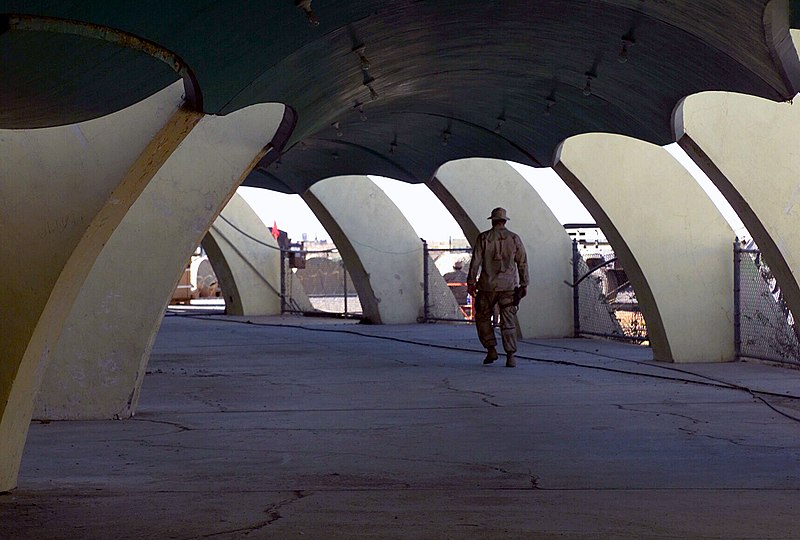
The Taliban administration in Afghanistan announced that they would turn former foreign military bases into special economic zones for businesses. The move comes as the country’s economy has struggled since the insurgent group’s takeover of Afghanistan in 2021.
Afghanistan’s acting deputy prime minister for economic affairs said on Sunday that the Taliban administration would move forward with turning former foreign military bases into special economic zones. This follows comments by the acting commerce minister to Reuters back in December that the ministry was working on a plan regarding former US military bases to be submitted to the economic committee led by acting deputy prime minister Mullah Abdul Ghani Baradar and to the cabinet for approval.
“Following a thorough discussion, it was decided that the Ministry of Industry and Commerce should progressively take control of the remaining military bases of the foreign forces with the intention of converting them into special economic zones,” said Baradar in a statement.
Baradar added that a plan would begin to convert the foreign military bases in Afghanistan’s capital Kabul and in the northern Balkh province.
The Taliban has said they are focused on boosting economic self-sufficiency through trade and investment. However, some foreign investors expressed concerns over the attacks claimed by Islamic State such as an attack on a hotel that was frequented by Chinese businessmen.
The World Bank has also noted that under the Taliban administration, exports have increased, and the insurgent group has been able to keep revenues mainly steady in 2022.
On Monday, officials from Afghanistan and Pakistan said the main border crossing was closed, with residents in the area reporting the sounds of gunfire near the crossing. While it was not determined whether Afghan or Pakistani officials closed the border crossing near the Khyber Pass, the closure comes amidst strained relations between the Afghan Taliban administration and Pakistan.
“The border is closed, we will share details later,” the spokesman for the Taliban’s police force in the eastern Afghan province of Nangarhar told Reuters.
The media reported that the border crossing was closed on Sunday but did not give further details. Clashes at the border crossing have frayed relations between the two neighboring countries for years, including during the 20-year rule of the Western-backed Afghan government and even as the Taliban retook control of Afghanistan in 2021.







