


 Yen Sinks as BOJ Rate Hike Fails to Impress Markets
  ECB Rate Hike in Focus as Oil Tops $100
  Fed Unveils Stablecoin Rules Under GENIUS Act
  FxWirePro: Daily Commodity Tracker - 21st March, 2022


 Add as a preferred source on Google
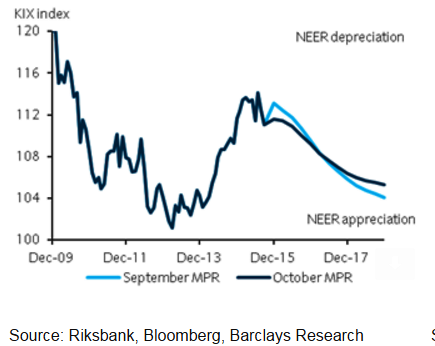
The Riksbank remains concerned about an abrupt SEK appreciation and is pencilling a softer pace of SEK effective exchange rate appreciation over the forecast horizon. A prolonged period of SEK strength remains a key concern for the Riksbank, which remains uncomfortable with the way it has traded recently.
With the inflation recovery still at a fragile stage, a modest verbal intervention by Riksbank officials, highlighting the need for a weaker SEK. With this in mind and due to the downward revisions to inflation and the repo rate path, the Riksbank now expects a somewhat slower pace of currency appreciation over the forecast horizon.
Indeed, the Riksbank has clearly targeted a weaker SEK since Q1 2015, partly helping in easing monetary conditions, which are close to levels last seen during the GFC. However, strong Swedish fundamentals have helped unwind losses following prior easing.
"The valuation models continue to suggest material SEK undervaluation, and we continue to think that the Riksbank will be more comfortable in allowing currency appreciation once the inflation trajectory is firmly on track", says Barclays.

- News

- Economy

- Central Banks
- Investing
- Research
- Roundups
- Digital Currency
- Insights
- Technical Analysis
- Technology
- Business
- Law
- Health
- Nature
- Fintech
- Science
- Topic
- Opinions
- ©Econometrics LLC . All Rights Reserved.
Abrupt SEK appreciation remains a concern for Riksbank
Thursday, October 29, 2015 3:15 AM UTC
Editor's Picks



- Market Data
Most Popular




