


 Trump Backs Nexstar–Tegna Merger Amid Shifting U.S. Media Landscape
  Ghislaine Maxwell to Invoke Fifth Amendment at House Oversight Committee Deposition
  Trump Slams Super Bowl Halftime Show Featuring Bad Bunny
  New York Legalizes Medical Aid in Dying for Terminally Ill Patients
  Trump Allows Commercial Fishing in Protected New England Waters
  Jack Lang Resigns as Head of Arab World Institute Amid Epstein Controversy
  Trump Says “Very Good Talks” Underway on Russia-Ukraine War as Peace Efforts Continue
  Trump’s Inflation Claims Clash With Voters’ Cost-of-Living Reality
  Japan Election 2026: Sanae Takaichi Poised for Landslide Win Despite Record Snowfall
  Bangladesh Election 2026: A Turning Point After Years of Political Suppression
  Netanyahu to Meet Trump in Washington as Iran Nuclear Talks Intensify
  Trump Congratulates Japan’s First Female Prime Minister Sanae Takaichi After Historic Election Victory
  Trump Signs Executive Order Threatening 25% Tariffs on Countries Trading With Iran
  Trump Lifts 25% Tariff on Indian Goods in Strategic U.S.–India Trade and Energy Deal
  India–U.S. Interim Trade Pact Cuts Auto Tariffs but Leaves Tesla Out
  Bosnian Serb Presidential Rerun Confirms Victory for Dodik Ally Amid Allegations of Irregularities


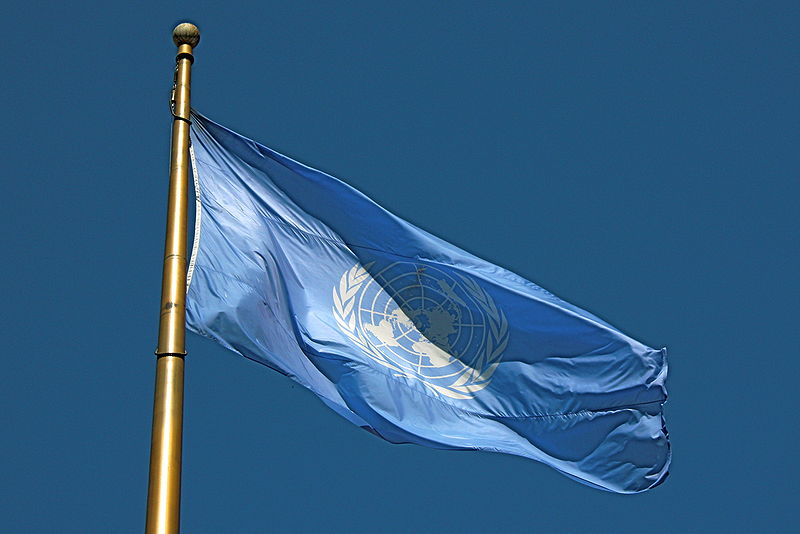
China has faced long-running allegations over its treatment of its Uyghur Muslim minority in the country. 47 countries recently voiced renewed concerns in the United Nations over the potential human rights abuses of the minority.
A joint statement by 47 countries in the United Nations released this week voiced renewed concerns over China’s treatment of its Uyghur Muslim minorities in its Xinjiang province. The countries also demanded that the UN’s human rights chief release the long-overdue report on the situation in the area.
The Dutch ambassador to the UN, Paul Bekkers, said the countries remain concerned with the human rights situation in Xinjiang. Bekkers cited several “credible reports” that suggest over one million Uyghur Muslims and other Muslim minorities were arbitrarily detained.
China has admitted that there are camps, but the camps are “vocational skills training centers” that are deemed necessary to address “extremism.”
“There are reports of ongoing widespread surveillance, discrimination against Uyghurs and other persons belonging to minorities,” said Bekkers.
The joint statement also addressed concerns about “reports of torture and other cruel, inhuman, or degrading treatment or punishment, forced sterilization, sexual and gender-based violence, forced labor, and forced separation of children from their parents by authorities.”
Bekkers said the group is calling on China to address the concerns and end the arbitrary detention of minorities in Xinjiang. The group also called on Beijing to cooperate with the UN investigators and provide investigators with access to independently observe the situation on the ground.
This follows the visit of UN’s Human Rights Chief Michelle Bachelet to China after months of demanding access to Xinjiang. Bachelet came under fire for not taking a firmer approach in voicing concerns over the alleged human rights abuses during her visit.
Back in March, the US State Department imposed travel bans on Chinese officials over the allegations of human rights abuses in Xinjiang.
The agency announced that it was banning several officials over their involvement in “repressive acts” and its crackdown on freedoms of speech and religion in China and overseas.
The travel ban also adds to the visa restrictions imposed on Chinese officials under the administration of Donald Trump over the treatment of Uyghur Muslims and other minorities, as well as the repression of pro-democracy activists in Hong Kong and those advocating for freedom in Tibet.













