

 Menu
Menu

 Search

- News

- Economy

- Central Banks
- Investing
- Research
- Roundups
- Digital Currency
- Insights
- Technical Analysis
- Technology
- Business
- Law
- Health
- Nature
- Fintech
- Science
- Topic
- Opinions
- ©Econometrics LLC . All Rights Reserved.

Brett Volmert
Ph.D. Candidate in Biomedical Engineering, Michigan State University
Volmert is a Ph.D. candidate in the MSU College of Engineering’s Department of Biomedical Engineering. He obtained a B.S. in biomaterials engineering from the University of Illinois and is the recipient of the James Scholar Honors Award and Academic Achievement Withrow Fellowship Award.

Less 
Brett A Bryan
Deakin Distinguished Professor of Global Change, Environment, and Society, Deakin University
Less

Brett D. Molter
Post Doctoral Researcher, Cook School of Intercultural Studies, Biola University
Brett D. Molter lived in Senegal, west Africa for over 15 years. His PhD dissertation was titled: Mosques to Marketplaces: Understanding and Explaining the Perceptions of the Significance of Music within Various Sociocultural Contexts in Senegal. He has also researched and written about other topics related to music as well as other aspects of Senegalese culture.
Less
Brett David Gartrell
Professor in Wildlife Health, Te Kunenga ki Pūrehuroa – Massey University
Less
Brewsters Caiphas Soyapi
Associate Professor: Environmental Change, Faculty of Law, North-West University
I am an associate professor at the North-West University, where I undertook my undergraduate and postgraduate studies. I currently teach aspects of environmental law and moot court. My research interests lie in African human rights systems and environmental rights. My expertise is in environmental law; sustainability governance; and African judicial environmentalism.
Less

Brian Ball
Associate Professor of Philosophy AI and Information Ethics, Northeastern University London
Ball’s primary research interest is in the metaphysics of intentional states and acts – which is to say that he explores the natures of such things as knowledge, belief, judgment, and assertion, all of which have the distinctive characteristic of being about something.
His doctoral thesis, Semantics, Metasemantics, and Ontology (Oxford, 2008), investigated issues at the intersection of metaphysics and the philosophy of language, arguing that the things which must exist if a speaker’s remarks are to be true are best discerned through an examination, not of what their words mean, but of why it is that they have those meanings. He has since published on topics in metaphysics, epistemology, and the philosophies of mind and language in such journals as Analysis, Mind and Language, Philosophical Psychology, and Philosophical Quarterly; and he has presented his work at conferences and colloquia to both national and international audiences. His 2016 paper, ‘Knowledge, Safety, and Questions’ won the Philosophy South Essay Prize; and in 2019 he was awarded a Research and Learning Development Initiative grant in Information Ethics with Ron Sandler (Northeastern)
Dr Ball regularly attends the Philosophy Research Seminar and the Cognitive Science Research Group meetings at Northeastern University London. He co-organized the Northeastern University London conferences on Mind and Brain, and on Numbers, Minds, and Magnitudes, as well as the Northeastern University London workshops Judgment: Act and Object, and Debating Debates.
Less
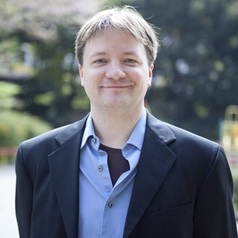
Brian Barbour
PhD candidate, UNSW Sydney
Brian currently serves as Senior Refugee Protection Advisor at Act for Peace. He is also an Affiliate of the Kaldor Centre for International Refugee Law at the University of New South Wales.
Brian is undertaking a PhD looking at ‘Building New State Asylum Systems from the Ground Up in Asia’. He has worked on refugee protection in Asia, mostly as a practitioner, since 2008. As an attorney, he has represented hundreds of asylum claimants in both UNHCR and government systems. Brian has engaged with a number of governments in the Asian region with the setup of new, and strengthening of existing, asylum systems. Brian has also conducted research with UNHCR, to develop tools and guidance to support the transition of some of its functions from UNHCR to a new State asylum system and on RSD backlog prevention and reduction. Brian also supports the work of local non-governmental organizations and refugee-led initiatives, and is a founding member of the Asia Pacific Refugee Rights Network.
Less
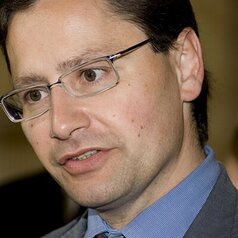
Brian Brivati
Visiting Professor of Human Rights and Life writing, Kingston University
Professor Brivati is a writer, project design and delivery expert and adviser and mentor to hundreds of graduates of his university and international development courses and fellowships. He has helped multiple partners advance their missions and achieve their objectives, working with clients across civil society organisations, research councils, trusts and foundations, government and international organisations, high net worth individuals and corporates.
He is currently running the Ukraine programme for Optio Venture Partners, acting as a Senior Adviser on Ukraine for at Folke Bernadotte Academy – Swedish agency for peace, security and development, an Adviser at the Ukraine Strategic Initiatives at National University Kyiv-Mohyla Academy, Kyiv, and an Honorary Senior Research Fellow at the Centre for the Public Understanding of Security and Defence at Exeter University which he founded with Professor Paul Cornish.
As a Visiting Professor at Kingston University, he is running the Unsettlement Project which sets out to suggest "unsettlement" as an organizing idea for humanities research, addressing contemporary crises like war, climate change, and digital disruption that produce various forms of human and intellectual displacement. It emphasizes the need for the humanities to respond practically and meaningfully to these interconnected challenges of physical, digital and information insecurity. The project is UK based with partners in Ukraine, Iraq, Lebanon and Yemen.
Current and Previous Roles:
• 2021 to Present, Associate, Optio Venture Partners, Ukraine Programme
• 2022 to present, Senior Consultant at Folke Bernadotte Academy – Swedish agency for peace, security, and development
• 2021 to present, Visiting Professor, Kingston School of Art, Kingston University
• 2016 to 2020, Co-Director, The Stabilisation and Recovery Network (TSRN)
• 2008-2014, Director and Academic Director, The John Smith Memorial Trust
• 1994 to 2008, Professor of Contemporary History, Life Writing and Human Rights, Kingston University
• 1992 to 1994, Deputy Director, The Institute of Contemporary British History
Academic Appointments 1994-2008
Kingston University
• Appointed Lecturer in British History at Kingston in 1994
• Reader in Contemporary History 1997
• Professor of Contemporary History and Director of Graduate Studies in 2001
• Professor of Human Rights in 2004
• Course Designer and Director: BA Human Rights, MA Human Rights, MA Political Communication, Advocacy, and Campaigning.
• Course Designer (including): BA Journalism, MA/MFA Classical Acting (With Sir Peter Hall)
• Awarded Leverhulme Trust Major Grant Award
Other Academic Appointments and Qualifications
• Deputy Director, Institute of Contemporary British History, 1992-94
• Visiting Lecturer at Birkbeck College, University of London, 1992-3 and Westminster University, 1992-94
• BA and PhD at Queen Mary College, University of London, 1984-1991
Less
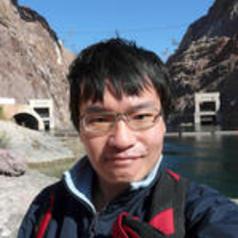
Brian Choo
Postdoctoral fellow in vertebrate palaeontology, Flinders University
My research focuses on fossil fishes from the Silurian-Devonian in order to discover the origins of the modern vertebrate body plan.
I completed my PhD at ANU/Museum Victoria in late 2010 and immediately commenced a full time postdoctoral research position at the Institute of Vertebrate Paleontology and Paleoanthropology (Chinese Academy of Sciences), Beijing, China.
I was given full access to the world famous fossil collections of the institute and co-authored a series of high-impact papers on early gnathostome evolution and Triassic marine faunas, involving collaborating with researchers at the institute as well as Kean University, New Jersey (Xiaobo Yu) and Uppsala Universitet in Sweden (Per Ahlberg, Qu Qingming).
Notable discoveries include the so called "fish with the oldest face" Entelognathus which was featured in Nature, the first evidence of dermal pelvic girdles ancient in bony fishes and the first clear evidence of pelvic fins in antiarchs, the most primitive gnathostomes to possess homologues of our own legs.
This latter project was considered of sufficient import to be prominently featured by Sir David Attenborough in the 2013 BBC documentary "Rise of Animals: The Triumph of the Vertebrates" in which I was credited as an advisor having provided the original "character sketches" for the animated fish reconstructions while providing corrections to the early drafts.
In March 2014, I commenced a full time postdoctoral research position at Flinders University, notable publication highlights for 2014 include the description of Megamastax, the earliest vertebrate apex predator (in Scientific Reports), fresh data on Devonian actinopterygians from Germany and Western Australia (in press in Journal of Vertebrate Paleontology) and the earliest evidence for penetrative copulation in vertebrates.
At present I am concluding several holdover projects from my time in Beijing and conducting preliminary research on undescribed Devonian fishes from Western Australia, New South Wales and the Northern Territory.
Less

Brian Darby
Associate Professor of Biology, University of North Dakota
Brian Darby, Ph.D., is an associate professor of biology whose research focuses on soil ecology (understanding how the soil microbiota affect the health and function of the soil system, and identification of all the fascinating nematodes, tardigrades, rotifers, mites, collembolans, and protozoans in the soil environment); ecological genomics (seeking to understand what genes and genome features are necessary to understand an organism's abundance and distribution in the world); wildlife genetics (using molecular tools to understand wildlife populations, movement, and behavior to help inform management and conservation); and statistics/biometry (modeling quantitative data to test hypotheses, estimate parameters, and predict future scenarios).
Less
Brian Diettrich
Associate Professor of Ethnomusicology, Te Herenga Waka — Victoria University of Wellington
Brian Diettrich (PhD, University of Hawai‘i at Mānoa) is an internationally recognised ethnomusicologist and a specialist in music and dance of the Pacific Islands. Working at the intersection of ethnography and history, Brian's research reimagines the capacity of music within culture, society, and place. His research interests and publications explore Indigenous performance and decolonisation, ecomusicology and environment, as well as musical instruments, recordings and archives, film and popular music, and online music communities.
Brian has held numerous research leadership positions both nationally and internationally. He serves on the Executive Board of the International Council for Traditions of Music and Dance (A Non-Governmental Organization in Formal Consultative Relations with UNESCO), and he is currently chair of local arrangements for the 48th ICTMD World Conference to be held in Wellington in 2025, a historic first for New Zealand. He chairs the ICTMD prize committee, is a former chair (2015–2021) of its Oceania Study Group, and a recent co-chair of the 47th ICTMD World Conference held at the University of Ghana in 2023. As part of his work facilitating new research initiatives, Brian has curated a philanthropic-funded research award for Indigenous scholars and a new international prize for emerging researchers. Brian has undertaken research collaborations with the East-West Center (Honolulu), the Yale Institute of Sacred Music, the University of Ghana, the Pacific History Association, and he has held residencies as visiting scholar at the University of Hawai‘i at Mānoa, National Taiwan Normal University, and Nara University of Education in Japan. Brian's research has been profiled by the Society for Ethnomusicology for its “Ethnomusicology Today” podcast series. He is a member of the Editorial Advisory Board for Lyrebird Press (University of Melbourne), and at VUW he is a member of the Joint Research Committee, Faculty of Humanities and Social Sciences. Brian is a regular consultant for international funding bodies as well as cultural organizations in the Asia-Pacific region. As part of his community leadership, Brian is a member of the Wellington Advocate Network, which fosters events and industry opportunities. In 2022, Brian's work received the Research Excellence Award from Victoria University of Wellington.
An advocacy for the peoples and expressions of Oceania has underscored much of Brian’s publications. He has undertaken research projects in the Federated States of Micronesia, Palau, the Marshall Islands, on Guam, among migrant communities in Hawai‘i, as well as in Aotearoa. His long-term research the islands of Chuuk since 2000 has resulted in numerous publications. His book projects include the co-authored book, "Music in Pacific Island Cultures" (OUP 2011), including a Chinese language edition, and the co-edited volume, "Perspectives in Motion: Engaging the Visual in Dance and Music" (Berghahn 2021). Brian is currently leading two funded projects: "Listening with Shell, Wood, and Fibre: Decolonisation through Musical Instruments" (2021-2022) and "Musical Travels in Nan’yō" (2020-2022), which will edit and publish an English translation of Hisao Tanabe's historical writings on Pacific music. Brian is currently preparing a new introductory edited volume at the invitation of Cambridge University Press.
Less
Brian Elbing
Associate Professor of Mechanical and Aerospace Engineering, Oklahoma State University
Dr. Elbing's research interests include flow control, tornado infrasound, multiphase flow and experimental fluid mechanics.
Less
Brian Ganson
Professor and Head, Centre on Conflict & Collaboration, Stellenbosch University
Professor Brian Ganson is an expert on socio-political risk management, conflict prevention and collaboration, and third party roles in post-conflict and other complex environments. His particular focus is private sector development, conflict, and human security. His publications integrate academic and field perspectives to provide practice- and policy-relevant insight. In his professional practice, he advises decision-makers in companies, governments, international organisations, and civil society on complex conflict dynamics, helping to assess and improve organizational policies, systems, and processes for socio-political risk identification, conflict prevention, and dispute resolution. His work is rooted in deep commitment to human rights, peaceful development, and collaborative problem solving.
Less
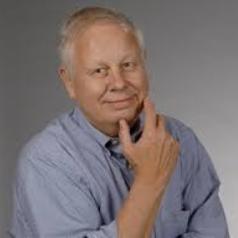
Brian Gendreau
Director, Latin American Business Environment program, University of Florida
Brian Gendreau is a Richardson Faculty Fellow and Clinical Professor of Finance at the University of Florida. Previously Brian was a market strategist at ING Investment Management, Heckman Global Advisors, and Salomon Smith Barney, and head of emerging market economics at JP Morgan. Before that he was an economist with the Federal Reserve Bank of Philadelphia and Board of Governors of the Federal Reserve System. Brian has a PhD in from the Wharton School and a MA in international relations from Johns Hopkins SAIS. He has appeared frequently on CNBC, Fox Business television, and Bloomberg television.
Less
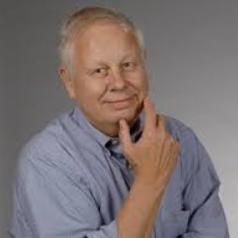
Brian Gendreau
Brian Gendreau is a Richardson Fellow, Clinical Professor of Finance, and Director of the Latin American Business Environment program at the University of Florida. Previously Brian was a market strategist at ING, Heckman Global Advisors, and Salomon Smith Barney, and head of emerging market economics at JP Morgan. Before that he was an economist with the Federal Reserve Bank of Philadelphia. Brian has a PhD in from the Wharton School and a MA in international relations from Johns Hopkins SAIS. He has appeared frequently on CNBC, Fox Business television, and Bloomberg television.
Less
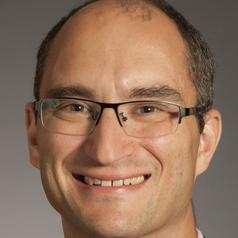
Brian Greenhill
Associate Professor of Political Science, University at Albany, State University of New York
Brian Greenhill is an Associate Professor in the Department of Political Science at the University at Albany, SUNY. His research and teaching concerns the ways in which economic and social globalization affects human rights, conflict and environmental outcomes.
Less
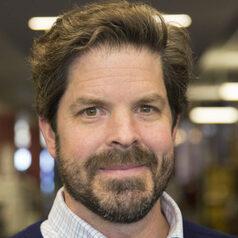
Brian Harward
Professor of Political Science, Allegheny College
Degrees: B.A., Gettysburg College; M.A., Ph.D., University of Georgia.
Less
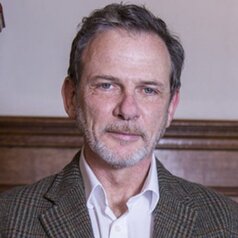
Brian Heaphy
Professor of Sociology, Sociology, University of Manchester
I have a first degree in Cultural Studies and a PhD in Sociology. Prior to working at Manchester I held lectureships at the University of Leeds and Nottingham Trent University, and was a research fellow at London South Bank University.
My teaching has included courses on gender and sexuality, families, relationships and social change, personal life, social theory, research methods and methodologies.
My research and publications has focused on the implications of social change for living with HIV; same sex intimacies; 'given' and chosen' families; ageing sexualities; friendships and other critical associations; theorising personal life; the links between sexualities and class; marriage and formalised partnerships, and qualitative research methods. With colleagues I am currently researching dating app use prior to, during and after Covid 19 restrictions.
As well as the above, I have organised and provided training and capacity building workshops and events for the Realities node of the ESRC National Centre for Research Methods.
Previously, as Head of Sociology, I worked with colleagues on initiatives to build further the dynamic teaching and research culture of Sociology at Manchester. As the previous Director Research in the School of Social sciences, which includes, Economics, Politics, Philosophy, Social Anthropolgy, Social Statistics and Sociology I worked with colleagues to further develop the excellent research culture of the School. I have recently stepped down from a 5 year stint as Head of School and Vice Dean and am on research leave.
Currently, my theoretical and research interests are focused on the interaction of identities, relationships and diverse ways of living in the context of social change.
I am interested in theories of social and cultural change, and in arguments about the contemporary reconfiguration of 'the social' and personal life. I have researched the implications of social change for how we conceive 'the social' and 'personal life' through ESRC funded projects on sexualities and gender, families and intimacies, ageing, research methods and dating app use. I have studied and written about living with HIV, same sex intimacies, ageing sexualities, sexuality and class, friendships, civil partnerships and same-sex marriages, and divorce. With colleagues I am currently writing a book on on relationship dissolution and divorce, as well as articles form an ESRC funded study of dating app use..
I was a member of the Realities research methods team which was linked to the ESRC's National Centre for Research Methods, and a founding member as well as co-Director of the Morgan Centre for the Study of Everyday Life.
Less
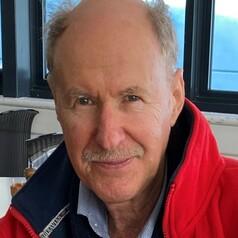
Brian Heterick
Adjunct Research Associate, School of Molecular and Life Sciences, Curtin University
Most of my research activities are conducted under the auspices of the Western Australian Museum. My research background is primarily taxonomic and my special area of interest is the taxonomy of ants. However, I have also published in the areas of biodiversity and insect ecology.
Most of my research activities are those involved with Australian ants. Apart from my taxonomic studies, I have also frequently collaborated with academics, other researchers, mining companies and other groups and individuals. These are generally those who are involved with monitoring programs, using ants as biological indicators. My major research output has been two monographs on the ant genus Monomorium, another monograph published in 2009 on the ant fauna of south-western Australia, and a recently completed revision of the Australian ant genus Melophorus published in 2017. I also spent two years as a research fellow in San Francisco studying Monomorium from Madagascar.
Less
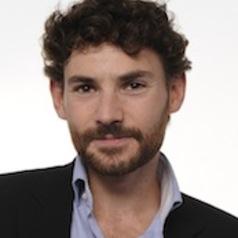
Brian Hill
Research Director CNRS, Professor, HEC Paris and Academic Director, Inclusive Economy Center, S&O Institute, HEC Paris, HEC Paris Business School
Less
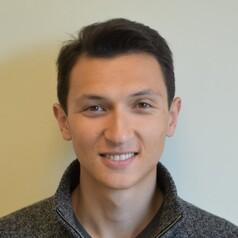
Brian Ho
PhD Candidate in Clinical & Health Psychology, University of Florida
I'm a PhD candidate at the University of Florida in the department of Clinical & Health Psychology. My advisors are Dr. Ronald Cohen (committee chair) and Dr. Joseph Gullett. My research interests revolve around lifestyle and metabolic factors related to cognitive ability, and non-pharmaceutical interventions to improve cognition in neurocognitive disorders as well as in healthy individuals. In addition to my research work, I see patients for neuropsychological assessment and psychotherapy within the University of Florida's Psychology Specialties Clinic where I'm a trainee.
Less
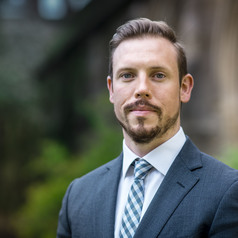
Brian Klaas
LSE Fellow in Comparative Politics, London School of Economics and Political Science
Dr. Brian Klaas is a Fellow in Comparative Politics at the London School of Economics. He focuses on democracy, global politics, political violence, voting, and elections. Klaas is the author of the forthcoming book: "The Despot's Accomplice: How the West is Aiding & Abetting the Decline of Democracy."
Less
Brian Mckinstry
Emeritus Professor of Primary Care E-Health, The University of Edinburgh
Brian McKinstry is a general practitioner and Emeritus Professor of Primary Care eHealth at the University of Edinburgh. He leads SHARE the Scottish Health Research Register (www.registerforshare.org) and until recently he led the Telescot programme of research into telehealth (www.telescot.org)
His research interests are mainly around remote information exchange between clinicians and patients, more recently focussed on eHealth and telehealthcare. The Telescot programme has carried out multiple randomised controlled trials and descriptive/qualitative studies in this area. These studies include telemonitoring of chronic obstructive airways disease, heart failure, high blood pressure (HBP) and diabetes, remote measurement of cough and respiratory rate, the use of machine learning on patient accrued data to develop improved telemonitoring algorithms and video-consulting in general practice. He is clinical lead for Scale-Up BP, a large-scale implementation of telemonitoring of HBP, and is exploring the use of routinely acquired data to evaluate this. He has with colleagues in the Scottish Government developed and is testing a home telemonitoring system to detect deterioration in people recently diagnosed with COVID-19.
Less
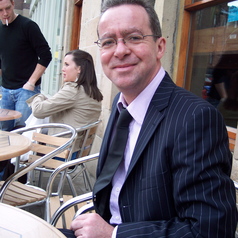
Brian McNair
Brian McNair is an academic researcher and media commentator. He writes on a wide range of topics including journalism, political communication, popular culture and mediated sexuality. His most recent books are Porno? Chic! (Routledge, 2013), Journalists In Film (Edinburgh University Press, 2010) and An Introduction To Political Communication (5th edition, Routledge, 2011). He is a regular contributor to press, online and broadcast media in Australia and overseas, including ABC News 24, Sky News, BBC World, and many other news outlets. His books have been translated into fifteen languages, including Russian, Japanese, Mandarin, Spanish, Greek, Polish and Albanian.
Less

Brian O'Neill
Associate Professor of Computer Science, Quinnipiac University
Dr. Brian O'Neill is an Associate Professor of Computer Science at Quinnipiac University. He received his MS and PhD in Computer Science from the Georgia Institute of Technology. Prior to joining Quinnipiac in 2023, he chaired the Computer Science & Information Technology Department at Western New England University.
Dr. O'Neill teaches computer science courses at the undergraduate and graduate level. Since joining Quinnipiac, he has taught CSC 111 Data Structures & Abstraction, CSC 215 Algorithm Design & Analysis, and CSC 350/CSC 500 Artificial Intelligence. He led development of Quinnipiac's multidisciplinary minor in Artificial Intelligence.
Dr. O'Neill's primary research area is artificial intelligence, with a particular emphasis on the role that AI can play in supporting creativity. His research seeks to understand how AI can assist people in being better storytellers while giving AI a better understanding of what makes stories interesting to people. He also studies the relationship between artificial intelligence and board games. Dr. O'Neill is also active in the computer science education research community. He is currently serving as the co-Editor-in-Chief of EngageCSEdu, an ACM project hosting peer-reviewed computing open education resources.
Less
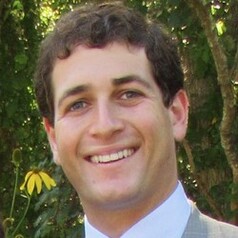
Brian Plancher
Assistant Professor of Computer Science, Barnard College
I am an Assistant Professor of Computer Science at Barnard College, Columbia University where I lead the Accessible and Accelerated Robotics Lab (A²R Lab). I am also a co-chair for the Tiny Machine Learning Open Education Initiative (TinyMLedu) and an associate co-chair for the IEEE RAS TC on Model Based Optimization for Robotics.
My research is focused on developing and implementing open-source algorithms for dynamic motion planning and control of robots by exploiting both the mathematical structure of algorithms and the design of computational platforms. As such, my research is at the intersection of Robotics and Computer Architecture, Embedded Systems, Numerical Optimization, and Machine Learning.
I also want to improve the accessibility of STEM education. I research ways to better understand and improve diversity, equity, inclusion, and belonging in STEM education globally, as well as design and teach new interdisciplinary, project-based, open-access courses that lower the barrier to entry of cutting edge topics like robotics and embedded machine learning.
I enjoy spending my free time with my family and skiing in the winters.
Less
Brian Stone Jr.
Professor of Environmental Planning, Georgia Institute of Technology
Brian Stone Jr., Ph.D., is a Professor in the School of City and Regional Planning at the Georgia Institute of Technology, where he teaches in the area of urban environmental planning and design. Stone's program of research is focused on urban scale drivers of climate change and is supported by the National Science Foundation, U.S. Centers for Disease Control and Prevention, and U.S. Environmental Protection Agency. He is Director of the Urban Climate Lab at Georgia Tech and author of the forthcoming book, Radical Adaptation: Transforming Cities for a Climate Changed World (Cambridge University Press). Stone holds degrees in environmental management and planning from Duke University and the Georgia Institute of Technology.
Less
Brian Strickland
Senior Instructor in Emergency Medicine, University of Colorado Anschutz Medical Campus
I am an emergency physician based in Colorado, with a background in delivering high-quality medical care in some of the world's most remote locations. My clinical experience spans from the Alaskan arctic to the tropical island of Saipan, with multiple periods of volunteering in clinics located in Nepal's Khumbu Valley and Peru's Sacred Valley. This journey has broadened my medical expertise and enriched my understanding of diverse healthcare systems.
My passion for altitude medicine stems from a Wilderness Medicine fellowship at Massachusetts General Hospital, an experience that profoundly shaped my career path. This specialized training, coupled with significant clinical exposure in the high-altitude regions of Peru and Nepal, has deepened my interest and expertise in this field. Currently, I am leading multiple research projects focused on high-altitude pathology and treatment. These initiatives are aimed at enhancing our understanding of altitude-related illnesses and developing innovative treatment strategies through unique investigational techniques and evidence-based medical practice.
Less
Brian Tang
Associate Professor of Atmospheric Science, University at Albany, State University of New York
Dr. Brian Tang's research focuses on tropical cyclones (hurricanes), including how they form, what causes them to intensify/weaken, and how they interact with the environment around them. His also has performed research on severe thunderstorms, including how terrain interacts with storms and how large hail frequency has changed.
Less
Brian Tanner
Emeritus Professor of Physics at Durham University, Durham University
Brian K. Tanner is Emeritus Professor of Physics at Durham University, U.K. and Adjunct Professor at Dublin City University, Ireland. He moved to Durham in 1973, as a University Lecturer, after holding a Junior Research Fellowship at Linacre College, Oxford, U.K. In 1978, he co-founded Bede Scientific Instruments Ltd., which floated in 2000 as Bede plc and is now a division of the giant Bruker corporation. Promoted to Full Professor in 1990, he was the Head of the Physics Department at Durham University from 1996 to 1999. He retired as Dean for University Enterprise in 2016. From 2003 to 2015, he was Chairman and then Non-executive Director of another spin-out from Durham University, which is listed on the London AIM Stock Exchange as the Kromek Group plc. He has published over 400 papers in refereed international journals, authored two books, co-authored two books, and edited three books. His current research interests include use of high resolution X-ray imaging to study advanced materials and the history of science in the medieval period. He is a member of the core research team of the interdisciplinary Ordered Universe Project studying the scientific works of the 13th century polymath, Robert Grosseteste. A Fellow of the Institute of Physics and the Royal Society of Arts, Prof. Tanner received the Barrett Award of the Pennsylvania-Based International Center for Diffraction Data in 2005, the Queen’s Award for Enterprise Promotion in 2012, and the Gabor Medal and Prize of the Institute of Physics in 2014.
Less


- Market Data




