


 Russian Envoy Dmitriev Heads to US for Ukraine Talks
  Japan Private-Sector Growth Slows as Domestic Demand Weakens
  U.S. Dollar Hits Two-Month High as Oil, Treasury Yields Surge
  Gold Prices Fall as Treasury Yields Rise on Fed Rate Hike Bets
  Australia Unemployment Hits Five-Year High Despite Strong Jobs Growth
  Wall Street Falls as Treasury Yields Surge, Oil Rebounds on Iran Tensions
  South Korea, US Discuss Warship Building Cooperation
  U.S. 10-Year Treasury Yield Hits 2007 High as Fed Rate Hike Bets Rise
  Asian Currencies Mixed as Dollar Holds Near Two-Month High
  US 10-Year Treasury Yield at 6% Emerges as New Market Risk Threshold
  China’s ‘Lipstick King’ Says AI Won’t Replace Livestream Hosts
  Asian Stocks Fall as Bond Yields Surge Ahead of Trump-Xi Summit
  Oil Prices Jump 3% as Houthi Attack Revives Supply Fears
  Japanese Bank Stocks Surge as Bond Yields Fuel Rate Hike Bets
  Soybean Futures Slip as Traders Await Trump-Xi Trade Signals
  Fed Unveils Stablecoin Rules Under GENIUS Act
  Mexico-US Trade Talks Delayed to October as Tariff Negotiations Continue


 Add as a preferred source on Google
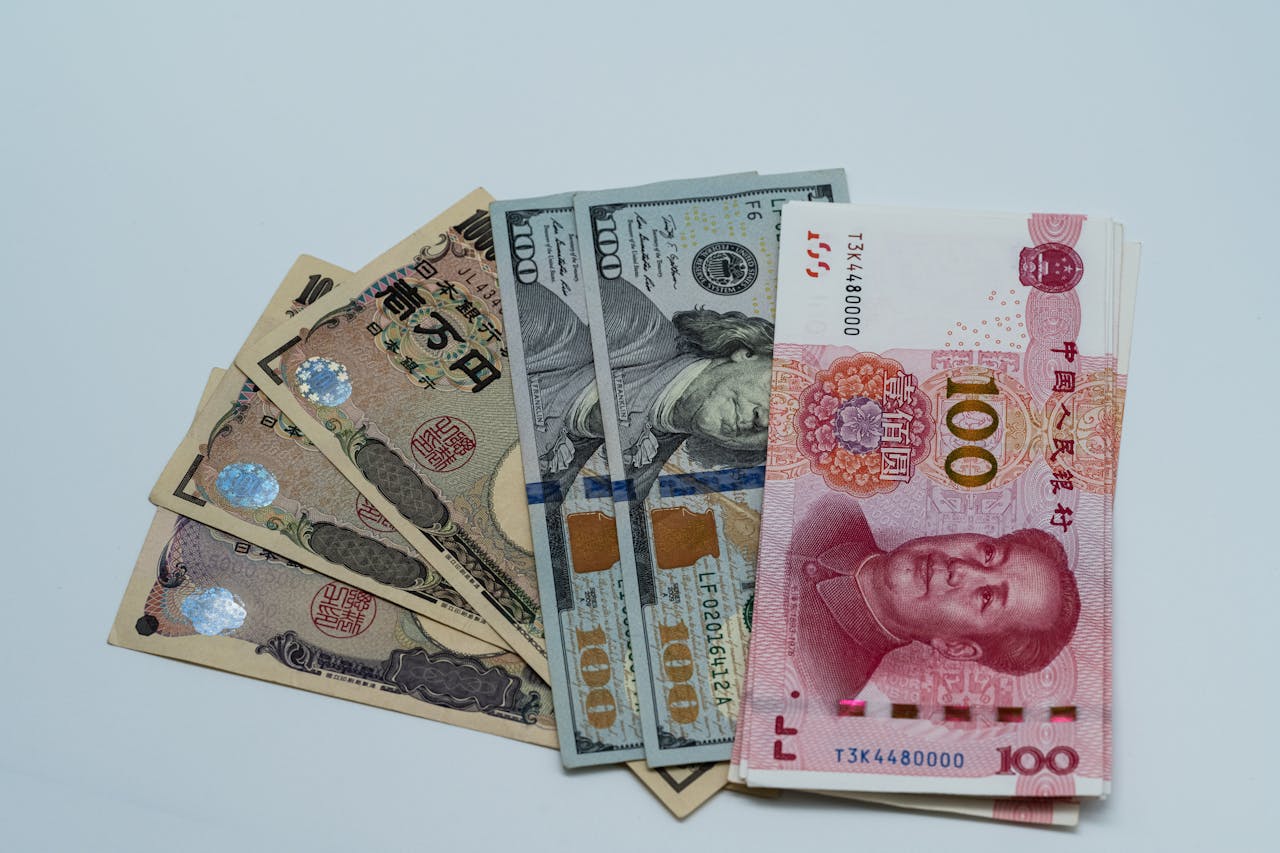
The Japanese yen strengthened sharply on Wednesday, hitting its highest level in more than two months after reports suggested that Japanese authorities recently intervened in the foreign exchange market to support the currency. The USD/JPY pair, which measures how many yen are needed to buy one U.S. dollar, dropped 1.7% to 155.09, marking its lowest point since late February.
The sudden rise in the yen follows several sharp market swings over the past week. Analysts believe Tokyo stepped into currency markets after the USD/JPY pair surged near the critical 160 level, a threshold Japanese officials have historically defended to prevent excessive weakness in the yen. The government has previously signaled discomfort when the currency approaches this range, fearing the impact on import costs and inflation.
Trading activity was also unusually thin due to Japan’s holiday period, which likely amplified market volatility. Low trading volumes often make intervention more effective because large currency purchases can move the market more aggressively. Reports of intervention first emerged after the yen unexpectedly rallied from the 160 mark last week.
Despite the rebound, the long-term outlook for the Japanese yen remains uncertain. Concerns over rising government debt and cautious monetary policy from the Bank of Japan continue to weigh on investor sentiment. Last week, the Bank of Japan kept interest rates unchanged but hinted it could consider future rate hikes if inflation continues to rise.
Market participants are now closely watching for further signs of intervention and upcoming Bank of Japan policy decisions. Currency traders expect volatility in the USD/JPY pair to remain elevated as Japan balances inflation risks, economic growth concerns, and efforts to stabilize the yen in global forex markets.







