


 China’s ‘Lipstick King’ Says AI Won’t Replace Livestream Hosts
  Wall Street Ends Flat as Oil, Treasury Yields and Fed Jitters Rattle Markets
  Oil Prices Fall on U.S.-Iran Hormuz Deal Hopes
  Soybean Futures Slip as Traders Await Trump-Xi Trade Signals
  Japan Private-Sector Growth Slows as Domestic Demand Weakens
  Australia Unemployment Hits Five-Year High Despite Strong Jobs Growth
  Canadian Dollar Faces Pressure as Fed-BoC Policy Gap Widens
  RBI Uses $10 Billion Currency Swaps to Drain Excess Rupee Liquidity
  Oil Prices Jump 3% as Houthi Attack Revives Supply Fears
  US Comfortable With Canada Trade Standoff as Import Bans Loom
  Japanese Yen Rebounds as Trump Flags Currency Weakness
  Asian Stocks Fall as Surging Bond Yields Rattle Markets
  US 10-Year Treasury Yield at 6% Emerges as New Market Risk Threshold
  Asian Stocks Fall as Bond Yields Surge Ahead of Trump-Xi Summit
  U.S. Dollar Hits Two-Month High as Oil, Treasury Yields Surge
  Gold Holds Near $4,275 as Rising Treasury Yields Fuel Fed Rate Hike Bets
  Dollar Holds Near Two-Month High as Yen Approaches 160


 Add as a preferred source on Google
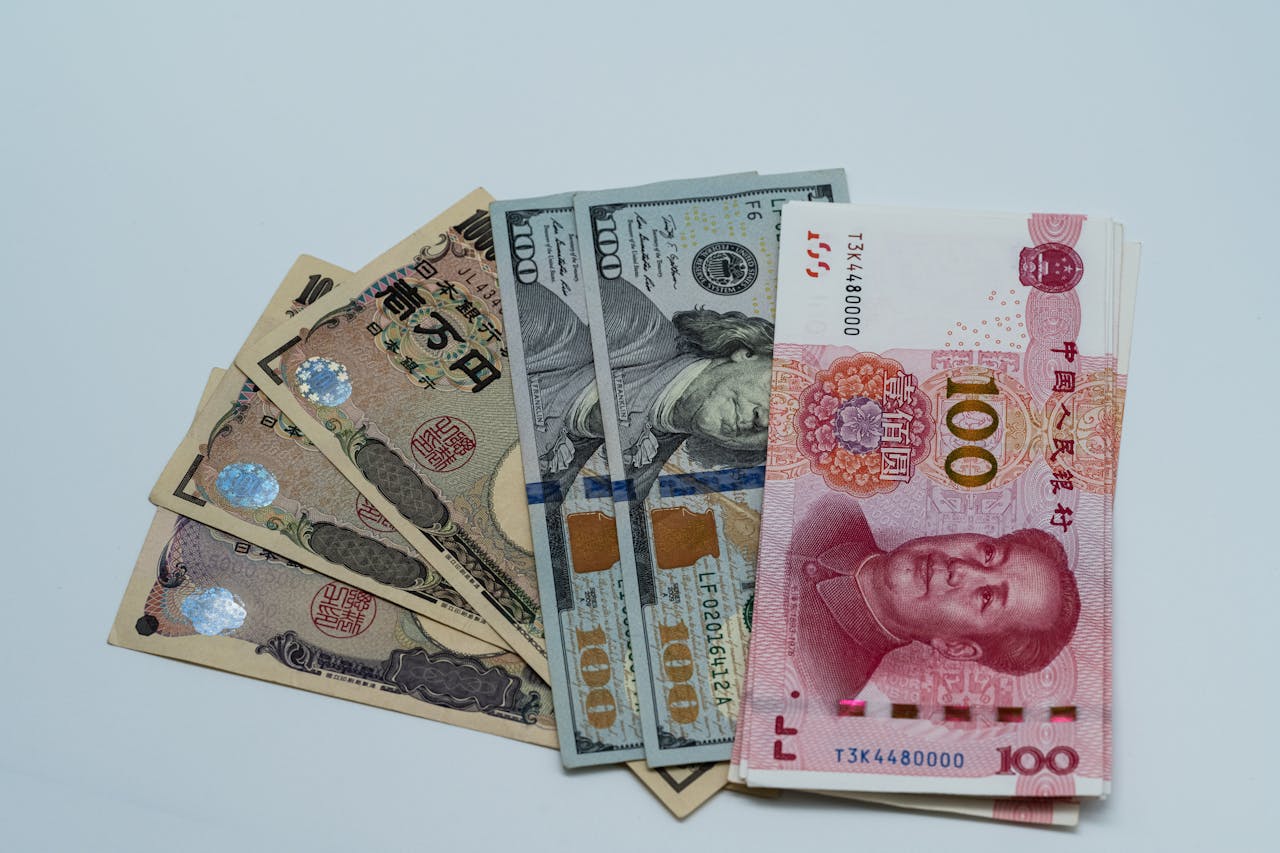
The Japanese yen edged slightly higher on Tuesday, supported by broad U.S. dollar weakness and the strongest warning yet from Japanese authorities that Tokyo stands ready to intervene if currency moves become excessive. Despite the modest rebound, the yen remains close to recent lows against major currencies, reflecting ongoing pressure from monetary policy divergence.
The yen last traded around 156.77 per U.S. dollar, after gaining about 0.4% in the previous session. This followed a slide to an 11-month low of 157.78 on Friday, shortly after the Bank of Japan delivered a widely anticipated rate hike. While the move marked another step away from ultra-loose policy, the BOJ’s cautious guidance suggested that further rate hikes in 2025 are likely to be gradual, limiting near-term yen strength.
Japanese Finance Minister Satsuki Katayama told Bloomberg News that Japan has full flexibility to respond to excessive yen moves, reinforcing recent verbal intervention aimed at deterring further depreciation. Analysts say this rhetoric is keeping speculative pressure in check for now. Market strategist Matt Simpson of StoneX noted that if authorities were to intervene, the low-liquidity period between Christmas and New Year could maximize the impact, though he added that action may be unlikely unless the dollar breaks above the 159 level decisively.
The yen also firmed slightly against the euro and British pound in early Asian trading, though it continues to hover near multi-month lows. Japan previously intervened to support the yen in both 2022 and 2024, highlighting policymakers’ sensitivity to sharp currency moves.
Meanwhile, the U.S. dollar remained under pressure after the Federal Reserve cut interest rates earlier this month and signaled the possibility of further easing in 2026. The dollar index slipped to around 98.18, on track for its steepest annual decline since 2017. Analysts at MUFG believe the dollar has peaked and entered a multi-year downtrend, which could reduce one-way yen weakness over time.
Investor attention now turns to delayed U.S. GDP data, expected to show solid growth before the government shutdown, though markets are unlikely to react strongly. In other currency moves, the euro, sterling, Swiss franc, Australian dollar, and New Zealand dollar all traded firmer against the greenback, underscoring the broader theme of dollar softness.







