


 Federal Judge Blocks Pentagon's Blacklisting of AI Company Anthropic
  Norma Group Posts Revenue Decline in 2025, Eyes Modest Recovery in 2026
  Nike Beats Q3 Estimates but China Weakness and Margin Pressure Weigh on Outlook
  Fonterra Admits Anchor Butter "Grass-Fed" Label Misled Consumers After Greenpeace Lawsuit
  Star Entertainment Secures $390M Refinancing Deal to Stabilize Operations
  Chinese Universities with PLA Ties Found Purchasing Restricted U.S. AI Chips Through Super Micro Servers
  Ukrainian Drones and the #MadeByHousewives Movement: Kyiv Fires Back at Rheinmetall CEO
  RBC Capital: European Medtech Firms Show Minimal Middle East and Energy Risk Exposure
  KPMG UK Cuts 440 Audit Jobs Amid Low Attrition and Cooling Professional Services Demand
  BlackRock CEO Larry Fink Earns $37.7 Million in 2025 Amid Record Growth
  Eli Lilly and Insilico Medicine Forge $2.75 Billion AI-Driven Drug Discovery Deal
  McDonald's and Restaurant Brands International Face Headwinds Amid Iran Conflict and Rising Costs
  Luxury Car Sales in the Middle East Take a Hit Amid Iran War
  Nomura Upgrades PDD Holdings to Buy, Calls Stock Too Cheap to Ignore
  Bank of America's $72.5M Epstein Settlement: What You Need to Know
  CTOC Adds 3,000 Doctors, 500 Hospitals Ahead of Liquidity Push
  Trump Administration Plans 100% Tariffs on Pharmaceutical Imports


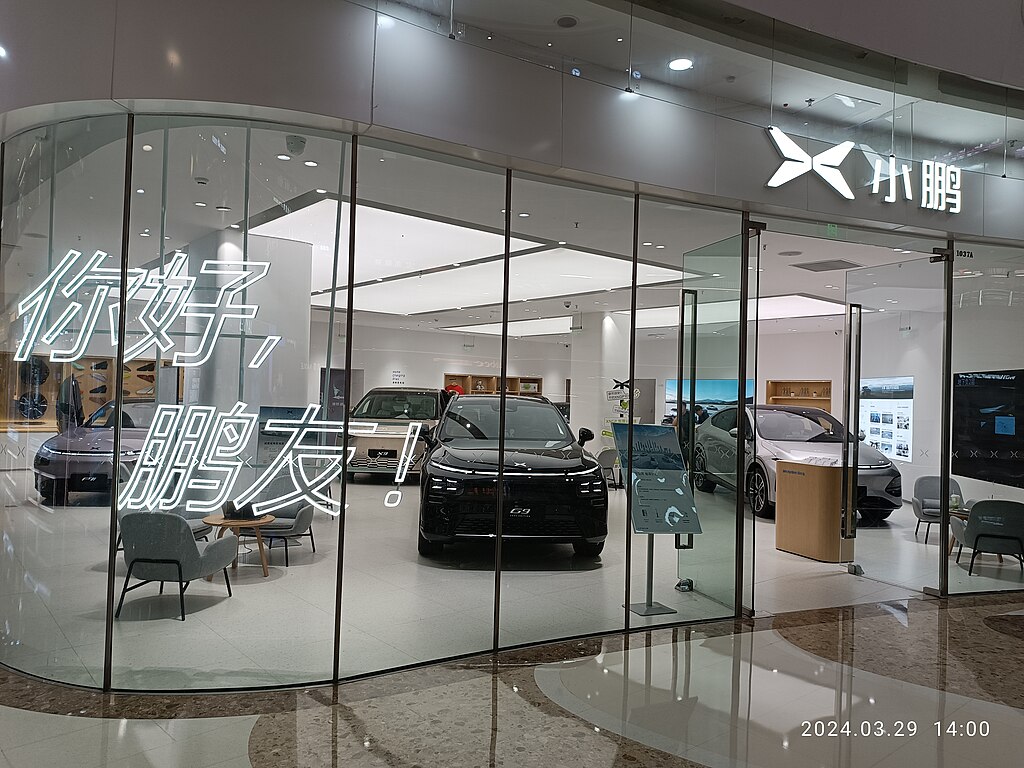
Xpeng Inc.’s stock tumbled on Tuesday after the Chinese electric vehicle maker released a softer-than-expected outlook for the fourth quarter, overshadowing what had otherwise been an impressive third-quarter performance. The company’s Hong Kong-listed shares (HK:9868) fell 8.5% to HK$87.85, sharply underperforming the Hang Seng index, which slipped 1.3%. In the U.S. market, Xpeng’s ADRs (NYSE:XPEV) also lost more than 10% overnight as investors reacted to the mixed update.
Despite the market’s negative response, Xpeng delivered several strong metrics for the third quarter. The automaker reported a much narrower loss than analysts anticipated, posting a loss of just 0.16 yuan per share compared to expectations of 0.566 yuan. Revenue surged 100% year-over-year, reaching 20.38 billion yuan, coming in only slightly below the consensus estimate of 20.63 billion yuan. The company also achieved record vehicle deliveries during the quarter, supported by increased demand across its expanding EV lineup.
However, the optimism was tempered by Xpeng’s guidance for the fourth quarter. The automaker expects revenue between 21.5 billion yuan and 23.0 billion yuan, missing analysts’ estimates of roughly 25.09 billion yuan. Although the company projects strong deliveries of 125,000 to 132,000 vehicles for the period, its revenue forecast suggested the firm will continue to feel the impact of China’s intense EV price war. With local competitors slashing prices to maintain market share, Xpeng has been forced to offer aggressive discounts and incentives—a strategy that helped drive sales but pressured margins.
Even with these challenges, Xpeng appears to be making progress toward profitability. The company’s non-GAAP net loss narrowed significantly in the third quarter, and CEO He Xiaopeng reaffirmed the company’s target of achieving breakeven in the fourth quarter. Investors, however, remain cautious as the EV industry faces heightened competition, volatile pricing, and tightening consumer budgets. Still, Xpeng’s ability to grow deliveries and reduce losses suggests it may be positioning itself for a stronger long-term trajectory, provided it can navigate near-term margin pressures and sustain demand in a competitive market.







