


 SMIC Allegedly Supplies Chipmaking Tools to Iran's Military, U.S. Officials Warn
  Meta and Google just lost a landmark social media addiction case. A tech law expert explains the fallout
  SpaceX IPO Filing Expected This Week as Valuation Could Surpass $75 Billion
  Bank of America's $72.5M Epstein Settlement: What You Need to Know
  Luxury Car Sales in the Middle East Take a Hit Amid Iran War
  OpenAI's Desktop Superapp: Unifying ChatGPT, Codex, and Browser Tools for Enterprise AI
  Xiaomi's AI Model "Hunter Alpha" Mistaken for DeepSeek's Next Release
  Super Micro Computer Shares Plunge After Co-Founder Charged in AI Chip Smuggling Case
  Makemation: a Nollywood movie that shows AI in action in Africa
  Eli Lilly and Insilico Medicine Forge $2.75 Billion AI-Driven Drug Discovery Deal
  Star Entertainment Secures $390M Refinancing Deal to Stabilize Operations
  Cybersecurity Stocks Tumble After Anthropic's Claude Mythos AI Leak Sparks Market Fears
  Russell 1000 Companies Hit $2.2T Cash Record While Aggressively Reinvesting in Growth
  Valero Port Arthur Refinery Explosion Prompts $1M Lawsuit Over Worker Safety Negligence
  Ukrainian Drones and the #MadeByHousewives Movement: Kyiv Fires Back at Rheinmetall CEO
  AWS Bahrain Region Disrupted by Drone Activity Amid Middle East Conflict


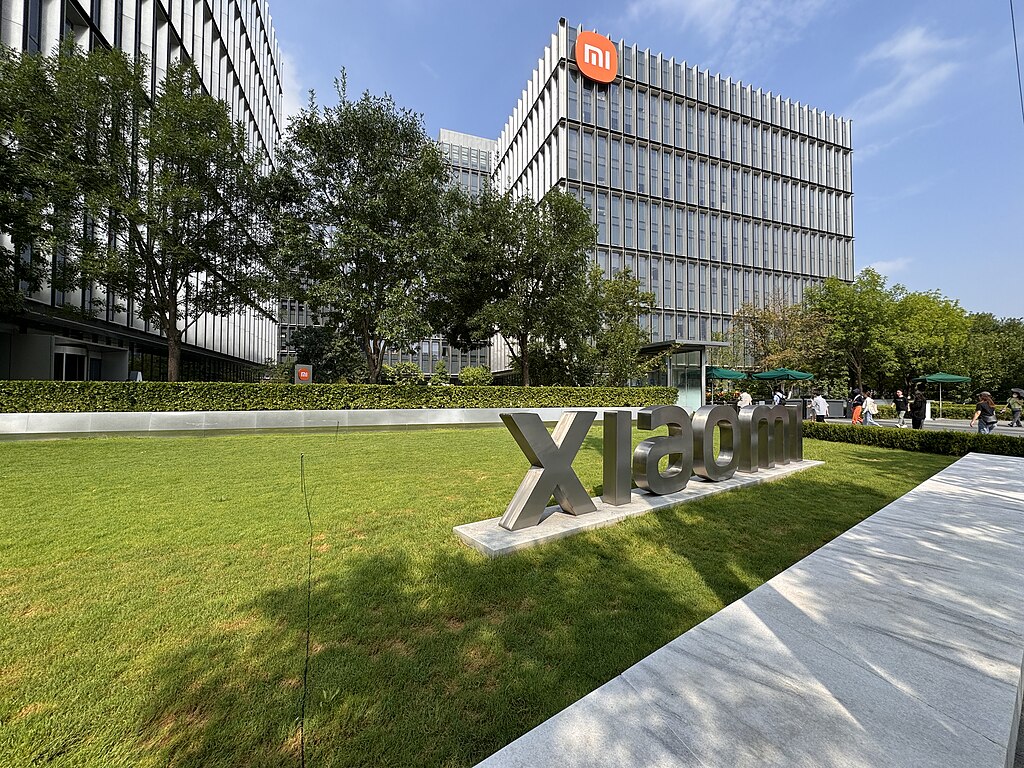
Xiaomi Corp (HK:1810) saw its shares tumble to a seven-month low on Wednesday after the Chinese electronics giant signaled that rising global memory chip prices could soon force an increase in smartphone costs. The stock fell 4.7% to HK$38.88—its weakest level since early April—and became the biggest drag on the Hang Seng Index, which slipped 0.6% as tech stocks broadly declined.
The company reported mixed third-quarter results. Xiaomi’s revenue grew 2.3% year-over-year to 113.1 billion yuan (about $16 billion), falling short of Reuters/LSEG expectations of 116.5 billion yuan. However, the company delivered a significant profit boost, with net income surging 80.9% to 11.3 billion yuan, beating estimates of 10.3 billion yuan. Strong smartphone demand and steady sales of smart gadgets helped support results, while Xiaomi’s electric vehicle (EV) division recorded its first profitable quarter—a milestone that underscored the brand’s expanding footprint beyond consumer electronics.
Xiaomi also achieved notable momentum in EV sales, even surpassing Tesla China in October—a development that reinforces its growing presence in the competitive electric vehicle market. But despite these bright spots, concerns about rising component costs weighed heavily on investor sentiment.
During the post-earnings call, Xiaomi President Lu Weibing warned that global memory chip prices—driven higher by surging demand in artificial intelligence infrastructure—have reached unprecedented levels. He noted that while Xiaomi may raise retail smartphone prices, the increases may not fully offset the higher component costs. This warning is particularly significant given that Xiaomi remains the world’s third-largest smartphone maker, trailing only Apple and Samsung. Although the company continues to expand into EVs and other electronics, smartphones still account for the majority of its earnings.
As rising chip prices threaten to squeeze margins, investors will be watching closely to see how Xiaomi balances product pricing, profitability, and competitiveness in the coming quarters.







