


 Petrobras Joins Brazil’s New Diesel Subsidy Program
  Databricks to Invest $350 Million in Singapore AI Expansion
  Meta Partners With Shopify to Bring Shop Pay Checkout to Muse AI
  Japan, U.S. Discuss $19 Billion GlobalFoundries Chip Plant
  US Northeast Airports Resume Operations After Telecom Outage Disrupts Thousands of Flights
  Hyundai CEO Warns Chinese Automakers Could Disrupt US Market
  FCC Approves Foreign Investment in $110B Paramount-Warner Bros. Deal
  Nike Earnings at Risk as UBS Cuts Price Target to $42
  Rosenblatt Starts Nokia at Buy on AI Networking Growth
  Westinghouse Targets $50 Billion Valuation in U.S. IPO
  OpenAI Urges US-Led Global Standards for Frontier AI
  NASA, Boeing Discuss Expanding Starliner Missions
  Apple Pay Set for India Launch With Axis Bank
  SK Hynix, Intel Discuss U.S. Memory Chip Production Deal
  SoftBank Shares Jump 8% as SB Energy IPO Optimism Builds
  Prysmian, Rio Tinto Supply Low-Carbon Cables for Amazon Ohio Data Center
  France Urges Faster AI Push Despite Safety Risks


 Add as a preferred source on Google
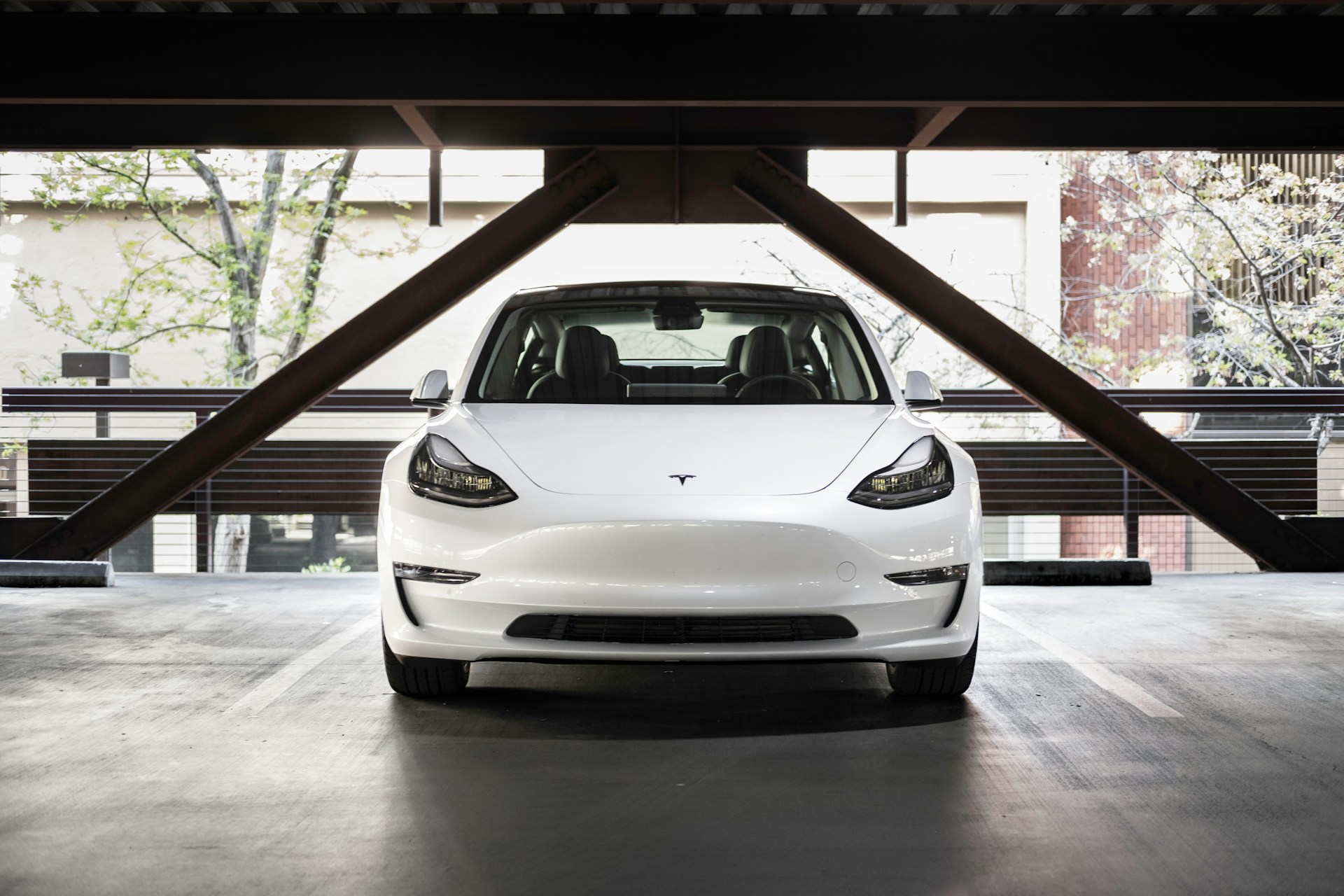
In a candid acknowledgment, Xiaomi CEO Lei Jun highlighted Tesla's unparalleled ability to increase vehicle prices without risking sales, a move unmatched by competitors, as Tesla's Model Y becomes the world's most-produced car.
Xiaomi's Upcoming SU7 EV to Challenge Market, Amid Tesla's Dominant Pricing Strategy
According to Teslarati, Xiaomi plans to release its first SU7 EV in about a week. It will start at approximately $36,948, or 266,000 RMB, and the top trim level will be priced at $46,671, or 336,000 RMB.
Xiaomi's SU7 is priced higher than many other EVs on the Chinese market.
However, Jun stated that Tesla has a distinct advantage over its competitors. While other companies can offer cheap and affordable EVs, new companies are in a unique position because they risk being undercut and outsold by established names on the block.
On the other hand, Tesla has a solid reputation for producing high-quality electric vehicles backed up by a robust charging infrastructure. With Tesla's plans to raise Model Y prices, Jun believes the company can handle a higher price and get away with it because it will not suffer "huge losses" like other automakers.
"Tesla is so cool, truly impressed," Jun said on Weibo, according to CnEV Post. "With the current pure electric vehicles, except for Tesla, many of them are making huge losses."
He added, "The current EV market is so competitive that only Tesla dares to raise prices."
Although Tesla is not the best-selling EV company in China, it maintains a strong presence there. Its world-best-selling car, the Model Y, outsells any electric or gas-powered vehicle globally. Tesla's ability to manipulate pricing has positioned it to compete with emerging EV players.
Jun believes the SU7 will be very competitive with the Model 3. He cites improved specifications, durable materials, and high sourcing costs.
This has put pressure on pricing for its initial rollout, but Jun believes pricing can be adjusted, possibly even before the car is released in eight days.
Tesla Model Y Achieves Global Production Milestone, Overtaking Traditional Leaders
Last year, the Tesla Model Y was the world's best-selling vehicle. To keep up with that demand, production levels must be high.
According to a new study by Inovev, a French automotive data firm, the Model Y was the world's most-produced car last year, outperforming some of the industry's biggest names as Tesla achieved the unthinkable goal of dominating global sales charts with its all-electric crossover.
The Ford F-Series has long been a mainstay on this list, and while it remains popular in the United States, Canada, and some parts of South America, the Model Y has surpassed it, as have other best-selling vehicles.
This is made possible by the Model Y's high sales figures in North America, Europe, and Asia.
Photo: Charlie Deets/Unsplash







