


 Asian Stocks Fall as Surging Bond Yields Rattle Markets
  Asian Stocks Fall as Bond Yields Surge Ahead of Trump-Xi Summit
  Soybean Futures Slip as Traders Await Trump-Xi Trade Signals
  U.S. Treasury Yields Surge as 30-Year Hits 22-Year High
  RBI Uses $10 Billion Currency Swaps to Drain Excess Rupee Liquidity
  U.S. Dollar Hits Two-Month High as Oil, Treasury Yields Surge
  Trump, Xi Focus on Trade and AI at White House Summit
  Wall Street Ends Flat as Oil, Treasury Yields and Fed Jitters Rattle Markets
  Gold Prices Fall as Treasury Yields Rise on Fed Rate Hike Bets
  Mexico-US Trade Talks Delayed to October as Tariff Negotiations Continue
  Gold Holds Near $4,275 as Rising Treasury Yields Fuel Fed Rate Hike Bets
  European Stocks Fall as Bond Yields and Geopolitical Risks Weigh
  Dollar Falls as Oil Eases, Yen Jumps on Intervention Signals
  Oil Prices Jump 3% as Houthi Attack Revives Supply Fears
  Canadian Dollar Faces Pressure as Fed-BoC Policy Gap Widens
  US Stock Futures Fall as Treasury Yields Surge Ahead of Trump-Xi Summit


 Add as a preferred source on Google
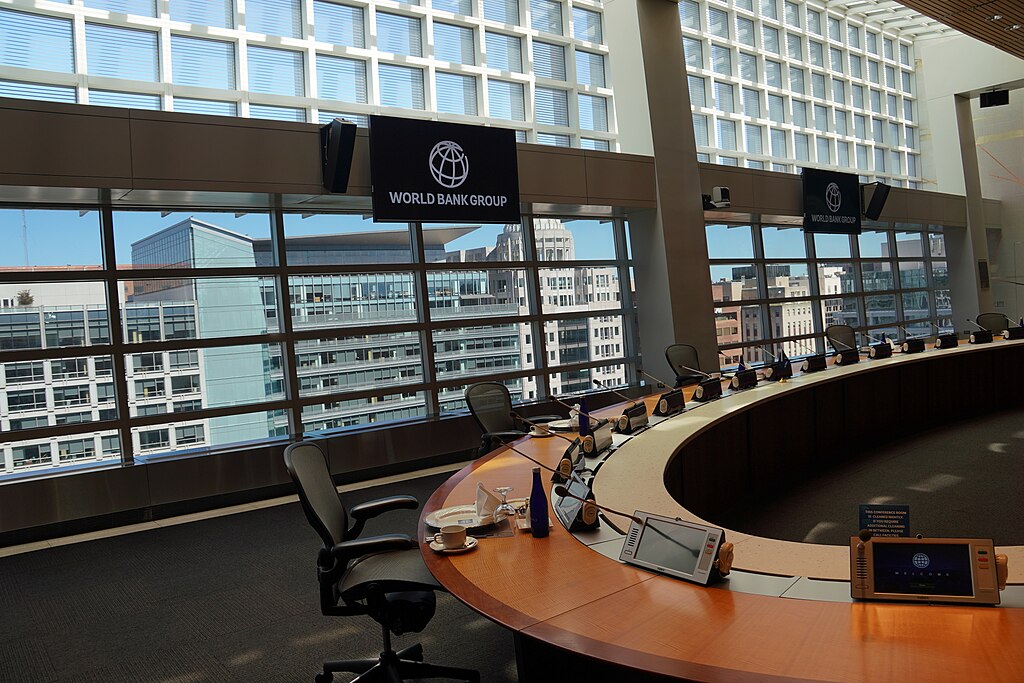
The World Bank has cut Kenya’s 2025 economic growth forecast to 4.5%, down from an earlier estimate of 5.0%, citing rising public debt, elevated lending rates, and a sharp decline in private sector credit. The revision underscores mounting fiscal and monetary challenges in East Africa’s largest economy.
According to the latest Kenya Economic Update, domestic borrowing has surged due to reduced access to external financing, pushing up interest rates and crowding out private investment. “High lending rates are suppressing credit growth, particularly in key sectors like manufacturing, finance, and mining,” said Naomi Mathenge, World Bank senior economist.
Kenya’s public debt now stands at 65.5% of GDP, placing it at high risk of debt distress. Compounding the issue, tax revenue shortfalls and unpaid government bills have weakened fiscal consolidation efforts. Although inflation and foreign exchange rates have remained stable since 2024, lending rates have not eased in line with monetary policy shifts, further tightening credit conditions.
Private sector credit contracted by 1.4% in December 2024, a stark contrast to the 13.9% growth recorded a year earlier. Non-performing loans have also spiked, particularly among smaller commercial banks, raising financial stability concerns.
The World Bank noted that Kenya's GDP grew by 4.7% in 2024, down from 5.7% in 2023, partly due to mid-year protests over tax increases. Economic growth is projected to rebound to 5.0% over the next two years if weather conditions remain favorable and fiscal risks are contained.
To improve revenue and reduce debt levels, the World Bank recommends eliminating certain consumption tax exemptions and implementing broader tax reforms aimed at supporting inclusive growth.







