


 Asian Currencies Mixed as Dollar Holds Near Two-Month High
  US 10-Year Treasury Yield at 6% Emerges as New Market Risk Threshold
  Dollar Falls as Oil Eases, Yen Jumps on Intervention Signals
  Trump, Xi Focus on Trade and AI at White House Summit
  Wall Street Ends Flat as Oil, Treasury Yields and Fed Jitters Rattle Markets
  Soybean Futures Slip as Traders Await Trump-Xi Trade Signals
  UK PM Burnham to Unveil Economic Vision at Labour Conference
  Fed Unveils Stablecoin Rules Under GENIUS Act
  Australia Unemployment Hits Five-Year High Despite Strong Jobs Growth
  Gold Prices Fall as Treasury Yields Rise on Fed Rate Hike Bets
  Gold Holds Near $4,275 as Rising Treasury Yields Fuel Fed Rate Hike Bets
  Japanese Yen Rebounds as Trump Flags Currency Weakness
  Canadian Dollar Faces Pressure as Fed-BoC Policy Gap Widens
  Mexico-US Trade Talks Delayed to October as Tariff Negotiations Continue
  Japanese Bank Stocks Surge as Bond Yields Fuel Rate Hike Bets
  US Stock Futures Fall as Treasury Yields Surge Ahead of Trump-Xi Summit
  Asian Stocks Fall as Bond Yields Surge Ahead of Trump-Xi Summit


 Add as a preferred source on Google
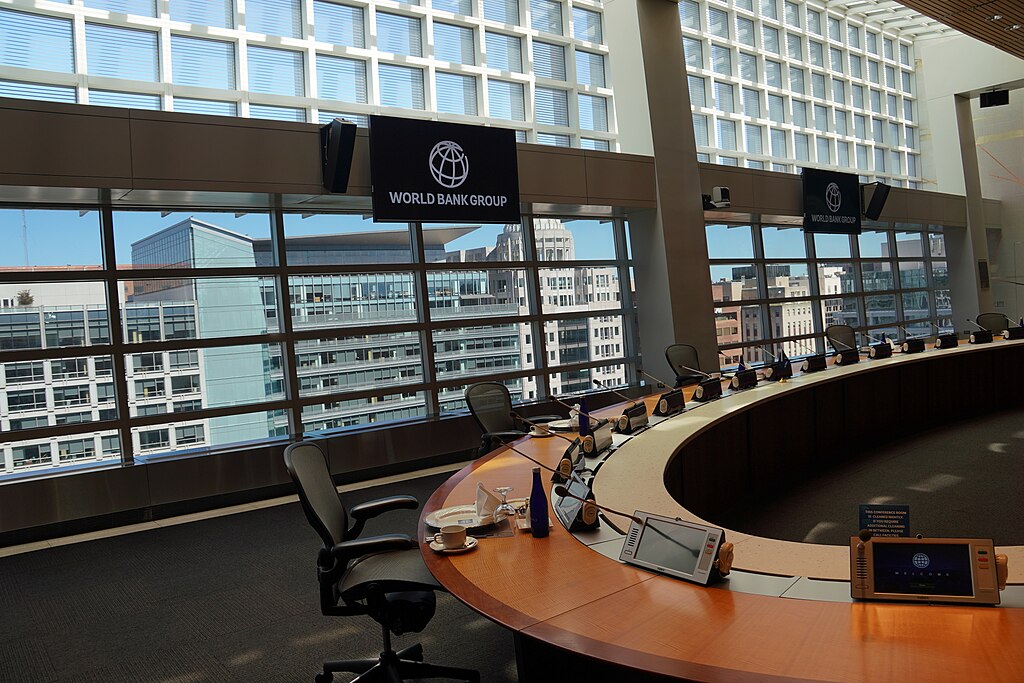
The World Bank is urging developing nations and lenders to adopt "radical debt transparency" to avoid future financial crises. In a report released Friday, the Bank stressed the need for full disclosure of sovereign borrowing, as countries increasingly turn to complex and opaque debt deals amid global economic instability.
Axel van Trotsenburg, the World Bank’s Senior Managing Director, warned that “when hidden debt surfaces, financing dries up and terms worsen.” He emphasized that accessible, timely, and accurate data is essential to break the cycle of debt distress.
The Bank is calling for legal reforms that require countries to disclose detailed loan-level data and commit to transparency when signing new contracts. Recommendations also include publicizing debt restructuring terms, conducting regular audits, and urging creditors to reveal their loan and guarantee records.
Although progress has been made—with over 75% of low-income countries now reporting some debt data, up from under 60% in 2020—only 25% share detailed, loan-by-loan information. The rise in off-budget arrangements, such as central bank swaps and collateral-backed loans, further complicates transparency and monitoring.
Several African nations illustrate the risks. Angola faced a $200 million margin call after bond prices plummeted. Nigeria revealed in 2023 that billions in foreign reserves were tied to complex financial contracts made by former leadership. Senegal is in talks with the IMF over debt misreporting, while Cameroon and Gabon have utilized undisclosed "off-screen" deals.
The World Bank asserts that broader and more granular debt reporting will enhance global oversight and reduce the risk of sudden financing shocks. As borrowing costs climb amid trade tensions and geopolitical uncertainty, transparency is seen as a critical safeguard for financial stability.







