


 Alcohol is one of the most dangerous drugs, yet its presence is ubiquitous in social settings and celebrations
  Hims & Hers Shares Fall as GLP-1 Costs Widen Q2 Loss
  SK Biopharmaceuticals Secures Global Rights to Biohaven Epilepsy Drug Opakalim
  FDA Investigates New Cyclospora Outbreak as U.S. Cases Continue to Rise
  Trump Administration Bars U.S. Travelers From Congo Flights Amid Ebola Outbreak
  France Keeps Top Health Alert as Officials Brace for Another Heatwave
  AstraZeneca Halts Phase III Volrustomig Lung Cancer Trial After Efficacy Setback
  France Battles Mediterranean Wildfires as Heatwave Fuels Fire Risk
  Hanmi Pharm Soars 30% on $2.3 Billion Genentech Obesity Drug Deal
  Novo Nordisk Raises 2025 Outlook Despite Wegovy Pill Miss and CagriSema Setback
  Moderna Short Sellers Hit With $4.8 Billion Loss as Stock Soars
  Novo Nordisk Eyes Turnaround as Oral Wegovy Challenges Eli Lilly in Weight-Loss Drug Race
  Trump Signs Order to Cut Routine Childhood Vaccines


 Add as a preferred source on Google
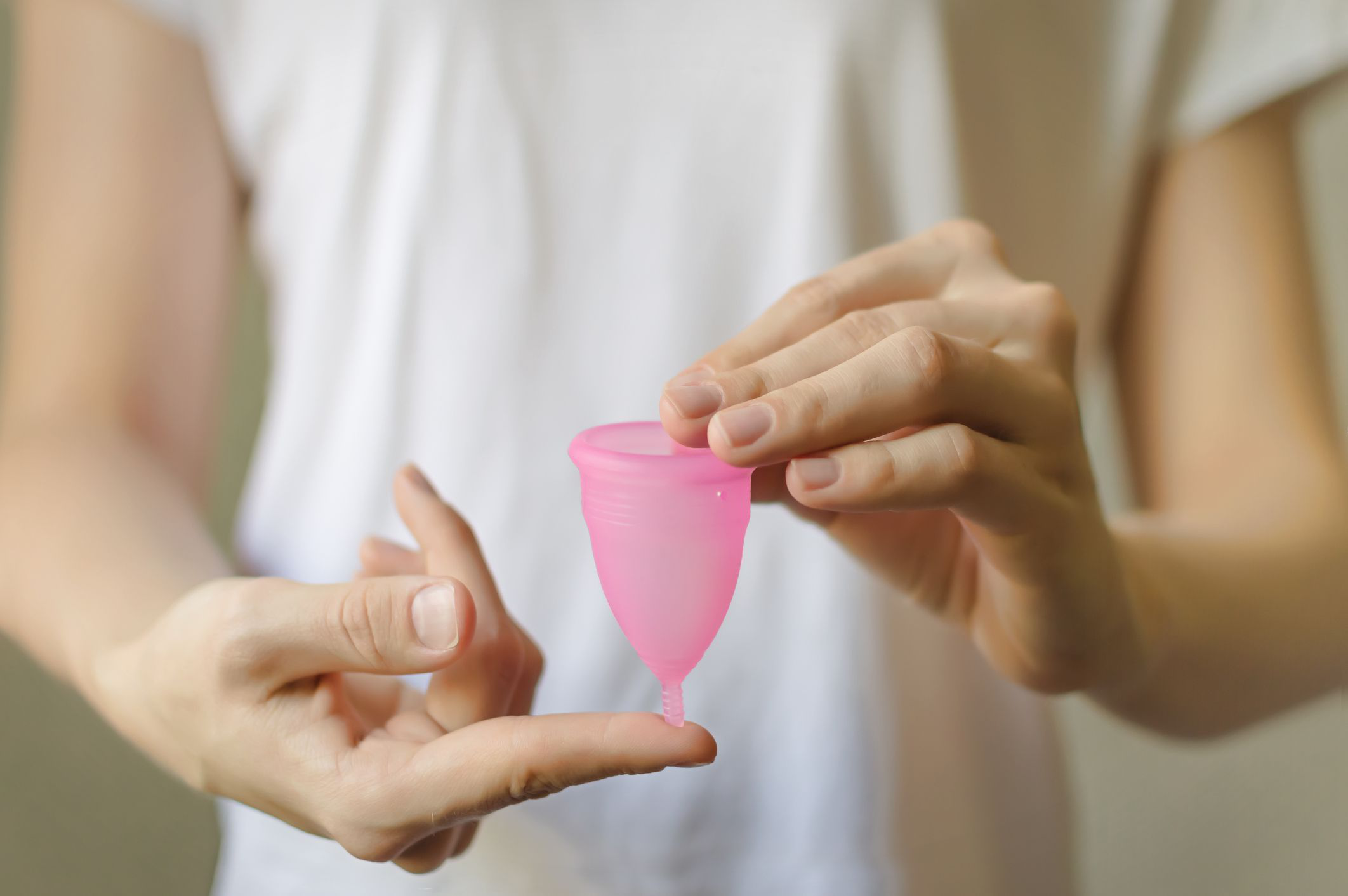
Period poverty means many women and girls in developing countries can’t afford appropriate sanitary products when they menstruate. When girls miss school because of period poverty, it has a long-term effect on their education and future earning capacity.
The Curse of Period Poverty
The problem of period poverty also affects women and girls in developed countries like the US and the UK. Research carried out by Plan International found that 10% of girls in the UK can’t afford to buy sanitary products and 49% have missed at least one day of school because of their period. In the US, there are 12 million girls and women living below the poverty line, many of whom can’t afford basic sanitary products.
The average woman spends $13.25 a month on sanitary products. This doesn’t sound a lot, but over a reproductive lifetime, it all adds up. The good news is that by switching to a menstrual cup, women can save a lot of money.
A standard box of 36 tampons costs around $7. A pack of maxi pads with wings costs around $5.50. Most women use one box of tampons (with pads at night) each time they have their period. If women switch to a menstrual cup, they can spend as little as $20 and then have to spend nothing more for several years.
That’s a huge saving!
Menstrual Cups Last Longer
Menstrual cups can easily last for a few years, as long as they are looked after and cleaned in the recommended way. Because menstrual cups are made from medical-grade silicone, they are tough and durable. Keep yours in the small bag provided when you don’t need it. Once it starts to wear out, replace it. Some manufacturers claim their products last up to 10 years, but this might be a stretch. Others recommend that you replace your menstrual cup every 1-2 years. Use your judgment on this and research the different menstrual cup brands to see which ones last the longest.
To save as much money as possible, clean and store your menstrual cup according to the manufacturer’s guidelines.
Cleaning and Storing Menstrual Cups
The right cleaning regime and suitable storage are crucial if you want to ensure your menstrual cup lasts as long as possible. Menstrual cups should be cleaned and disinfected before, during, and after your period. While you are using your menstrual cup, just rinse it out in clean water each time you remove and reinsert it. This is sufficient. If you don’t have access to a restroom or bottled water, wipe it with a tissue.
At the end of your period, disinfect your menstrual cup by placing it in a pan of boiling water for at least three minutes. Some manufacturers also offer microwave sterilizing units. Once the menstrual cup has been disinfected, it should be stored in a breathable cloth bag, so it has enough ventilation.
Save Money on Laundry Costs
Switching to a menstrual cup also saves you money on laundry.
Many women experience embarrassing leaks when they use sanitary pads and tampons. There is nothing worse than pulling on a pair of crisp white pants and then suffering an epic tampon leak. Not only is it super embarrassing, but the garment will need to bewashed at a minimum of 60 degrees to remove the stain. You may also need to use a laundry additive if the stain is persistent.
It’s also common to wake up lying on blood-soaked sheets when your menstrual flow is at its heaviest. Not even pads with wings work sometimes. Not only is this inconvenient because it necessitates an extra load of laundry; it is also expensive because washing clothes and bedding is expensive. It costs around $2 to wash a load of laundry. That soon adds up if you have heavy periods lasting up to 10 days.
Menstrual cups, when inserted correctly, are leak-proof. They form a tight seal inside the vaginal canal, so you can rest easy, whether you’re asleep on fresh bed linen or at the gym wearing your favourite white yoga pants.
Using a menstrual cup is not just good for your pocket – it is better for the environment too! If you are still using tampons, try a menstrual cup instead. You’ll be wondering why you didn’t make the switch sooner.
This article does not necessarily reflect the opinions of the editors or management of EconoTimes.







