


 Bank of Korea Raises Rates to 3% as Inflation Stays Sticky
  Asian Chip Stocks Mixed After Nvidia Earnings Beat
  Columbia Student Mahmoud Khalil Fights Arrest as Deportation Case Moves to New Jersey
  AI is driving down the price of knowledge – universities have to rethink what they offer
  US PCE Inflation Holds at 3.7% as Fed Rate Decision Looms
  Woodside Drops $5 Billion Clean Energy Plan as Profit Rises 7%
  SoftBank Eyes $20 Billion Bond Sale to Refinance OpenAI Loan
  US-Canada Tariff War Escalates With 50% Auto Duties
  Trump Buys SpaceX Shares After Record IPO
  SK Hynix Shares Fall as Workers Reject Wage Deal
  Carney’s Trump Tariff Pushback Wins Canadian Support, but Economic Risks Mount
  U.S. Probes Apex Logistics Over Nvidia AI Chip Shipments to China
  Disaster or digital spectacle? The dangers of using floods to create social media content
  Tokio Marine Eyes Multibillion-Dollar Suncorp Takeover
  Salesforce Shares Surge as AI Demand Powers Q2 Earnings Beat
  Bathla Group Hires Administrators as Australia Housing Slump Deepens
  Locked up then locked out: how NZ’s bank rules make life for ex-prisoners even harder


 Add as a preferred source on Google
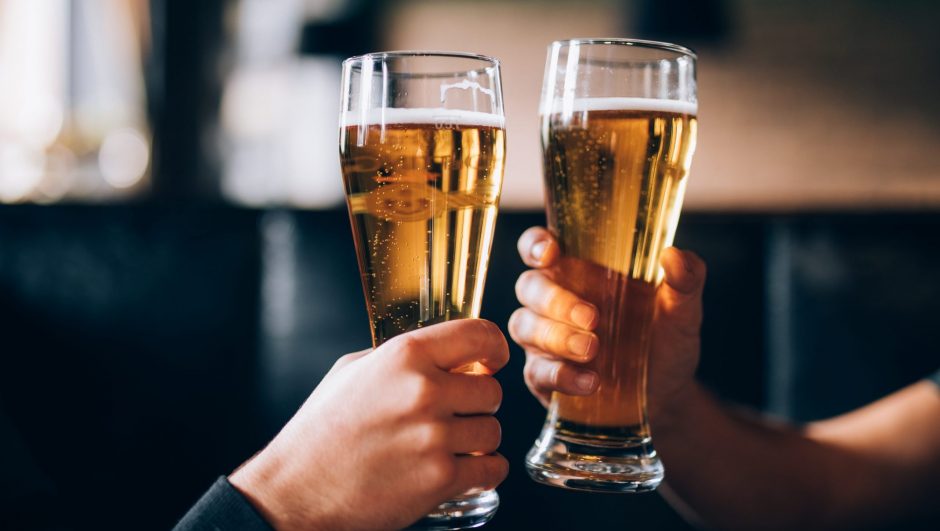
The Biden Administration now requires agencies to examine the competitive landscape in many markets, including alcohol.
Biden's Executive Order is based on the idea that the market has seen a decline in competition over the past few decades due to industry consolidation.
The Treasury Department came to the conclusion that consolidation had increased, notably at the wholesale, retail, and/or distribution levels for beer, wine, and spirits, as well as at the level of beer production. According to the Department's assessment, other prospective rulemakings, increased antitrust investigation, and skepticism of efficiency claims should be considered.
There are now five times as many microbreweries and brewpubs/taprooms in the US as there were ten years ago. The US beer business sustains approximately 2 million employees across a variety of industries, including the over 200,000 employed by breweries and distributors. The number of wineries has increased by over 50 percent in the past ten years, while the number of craft distilleries has grown dramatically.
Craft distilleries and microbreweries have been fiercely disruptive competitors. As customers have preferred a variety of products available in the market, even local vintners have contributed to the movement to deconcentrate these areas.
Tim Wu, the White House's Special Assistant to the President for Technology and Competition Policy, has questioned the continued value of mass production in the alcoholic beverage industry and other markets. Small breweries, according to Wu, represent a return to American tradition before mass manufacturing and are what the rest of the economy should look like.







