


 Mizuho’s Top U.S. Industrials Stocks: Why Corteva and Stanley Black & Decker Stand Out
  OpenAI GPT-5.6 Set for Wider Release After U.S. Commerce Approval, Report Says
  China 618 Smartphone Sales Drop 13% as Higher Prices Hurt Demand, Huawei Gains Market Share
  Deutsche Bank Fined A$2 Million by ASIC Over OTC Derivatives Reporting Errors
  Nvidia Invests $500M in Firmus Technologies Ahead of Planned ASX IPO
  Goldman AM Sees Strong Buyout Opportunities in Japan, South Korea and Australia
  BHP Faces Port Hedland Strike Threat as Iron Ore Export Risks Grow
  Nippon Paint Reportedly Offers Up to €7.5 Billion for Akzo Nobel Decorative Paints Business
  SK Hynix Soars 13% in Nasdaq Debut After Record $26.5 Billion IPO
  OpenAI Executive Fidji Simo to Step Down Amid Health Challenges Ahead of IPO
  Oppenheimer Sees CNH Industrial as Top 2026 Agriculture Stock Pick on Dealer Consolidation Strategy
  Elon Musk Says Anthropic Leads AI Race as Claude Models Challenge OpenAI
  SK Hynix’s $28 Billion U.S. Share Sale Draws Massive Demand Amid AI Chip Boom
  Wolfspeed Sues Navitas Over GaN and SiC Patent Infringement
  Zhipu AI Raises HK$31.37 Billion in Discounted Share Sale to Accelerate AI Growth
  Samsung Chairman Lee Jae-yong Expected to Meet Nvidia CEO Jensen Huang on AI and Chip Partnership


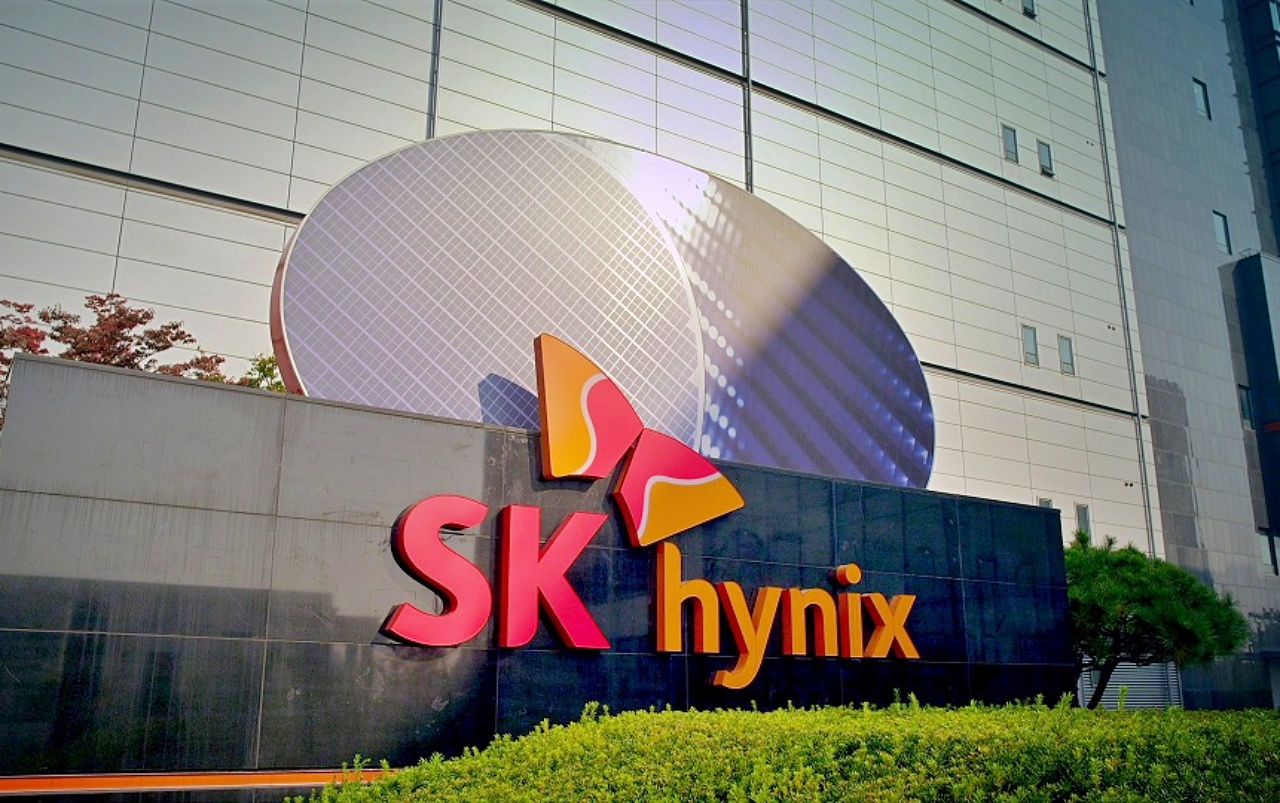
SK Hynix shares fell as much as 4.4% in early trading on Monday, even after the South Korean memory chip giant posted a strong debut on the Nasdaq following one of the largest U.S. listings by an Asian technology company.
The decline came after investors locked in profits following Friday’s rally, despite the company’s successful American Depositary Receipt (ADR) offering. SK Hynix, widely recognized as a global leader in AI memory chips, raised more than $26 billion through its U.S. listing by pricing its ADRs at $149 each.
Investor demand remained strong during the debut session. The ADRs opened at $170, about 14% above the offering price, reflecting optimism over the company’s long-term growth prospects in the artificial intelligence semiconductor market. By the close of trading, the stock finished with a 12.8% gain, highlighting robust investor interest in AI-related chipmakers.
Despite the positive U.S. debut, shares listed in South Korea retreated in Monday’s session, suggesting some investors opted to take profits after the stock’s recent rally. The pullback also coincided with broader weakness in the domestic market.
The benchmark KOSPI index slipped 0.4% as of 0021 GMT, adding pressure to SK Hynix shares amid cautious investor sentiment across South Korean equities.
SK Hynix has emerged as one of the biggest beneficiaries of the global artificial intelligence boom, driven by surging demand for high-bandwidth memory (HBM) chips used in advanced AI processors. The company is a major supplier to leading AI chip manufacturers, positioning it at the center of the rapidly expanding AI infrastructure market.
While Monday’s decline weighed on the stock in Seoul, the company’s successful Nasdaq debut underscores strong global investor confidence in SK Hynix’s growth outlook and its leading role in the AI semiconductor industry. Analysts continue to view demand for AI memory chips as a key driver of the company’s long-term performance.







