


 Trump, Xi Visit US National Archives After White House Summit
  Judge Orders Trump to Restore White House Access for CNN, MS NOW and Politico
  Trump Administration Plans Faster FDA Reviews for Smoke-Free Nicotine Products
  Netanyahu Defends Israel at UN as Delegates Stage Walkout
  Najib Razak Seeks Stay of 15-Year 1MDB Prison Sentence
  US Immigration Arrests Surge as Deportations Lag Behind
  Trump Administration Removes Confederate Memorial Criticism From Arlington Website
  NATO Boosts Intelligence Sharing Amid Russia Hybrid Threats
  US Resumes Immigrant Visa Processing for Hungary, Poland
  Appeals Court Rejects Trump Third-Country Deportation Policy
  US Senate Rejects Iran War Powers Resolution in 50-49 Vote
  Ghana Says Western Support Growing for Slave Trade Reparations
  China Reviews Broadcom Switch Use in State Data Centres
  Saudi Arabia, Turkey and Pakistan Plan Urgent Defence Talks Over Houthi Attacks
  Pezeshkian Says US Must Choose When Iran War Ends
  Kremlin Says No Decision Yet on Putin-Trump December Summit


 Add as a preferred source on Google
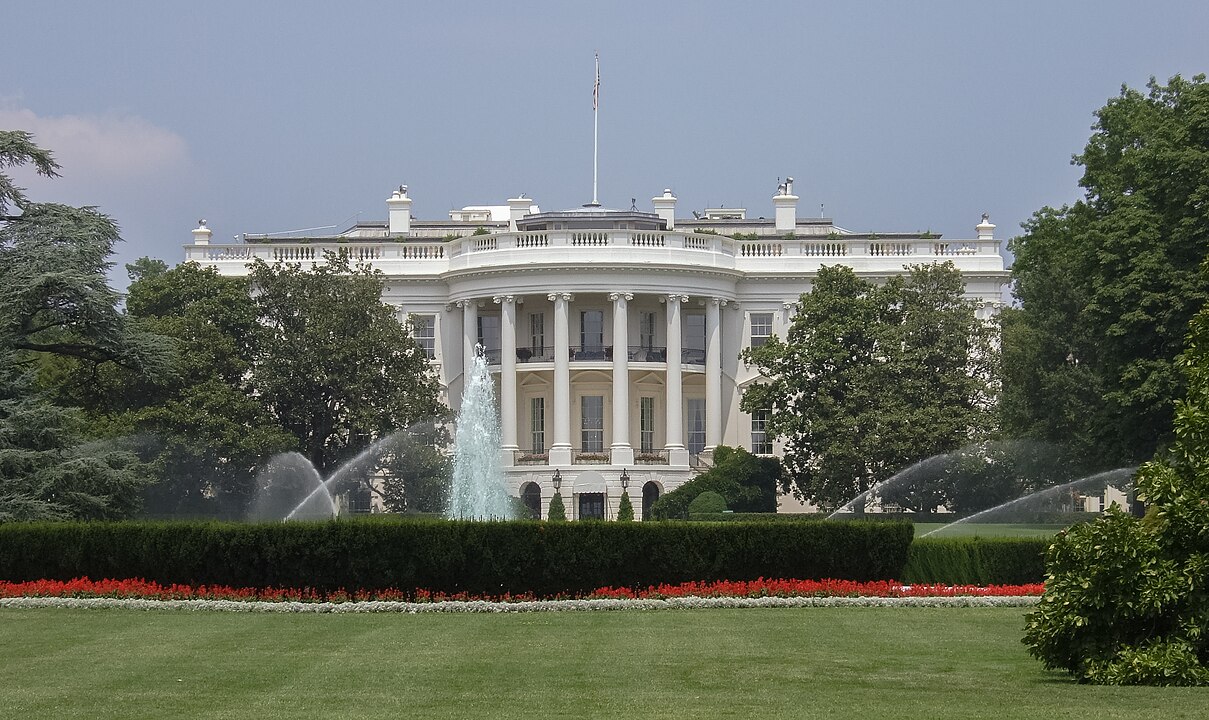
The White House is negotiating with several U.S. universities, including Harvard, Cornell, Duke, Northwestern, and Brown, over fines related to alleged failures in addressing antisemitism on campus. According to a Trump administration official, federal funding for these schools remains suspended and could be restored in exchange for financial penalties and compliance agreements.
The official, who requested anonymity, indicated that deals with Northwestern and Brown are close to being finalized, with Cornell potentially next. Harvard, the nation’s oldest and wealthiest university, is reportedly a priority target for the administration.
This move is part of a broader campaign by President Donald Trump to use federal funding as leverage against what he describes as pervasive antisemitism and “radical left” ideologies within higher education. The crackdown intensified following pro-Palestinian student protests that swept campuses nationwide last year.
Columbia University recently reached a $200 million settlement with the administration, resolving federal investigations and restoring most of its suspended funding. Officials view the Columbia agreement as a benchmark for other universities facing similar scrutiny.
While some institutions are negotiating settlements, Harvard has taken legal action, filing a lawsuit against the federal government to recover its suspended grants rather than paying fines.
The targeted universities, including Cornell, declined to comment or did not respond to media inquiries. The administration’s aggressive stance underscores its intent to reshape how universities handle antisemitism complaints, potentially influencing broader U.S. higher education policies.
This development adds to ongoing tensions between the federal government and elite universities, with financial penalties and funding restoration emerging as central points in the debate over campus free speech, antisemitism, and political activism.







