


 Oracle Plans $45–$50 Billion Funding Push in 2026 to Expand Cloud and AI Infrastructure
  SoftBank and Intel Partner to Develop Next-Generation Memory Chips for AI Data Centers
  Sony Q3 Profit Jumps on Gaming and Image Sensors, Full-Year Outlook Raised
  TSMC Eyes 3nm Chip Production in Japan with $17 Billion Kumamoto Investment
  Baidu Approves $5 Billion Share Buyback and Plans First-Ever Dividend in 2026
  Nvidia, ByteDance, and the U.S.-China AI Chip Standoff Over H200 Exports
  Elon Musk’s Empire: SpaceX, Tesla, and xAI Merger Talks Spark Investor Debate
  Nvidia Confirms Major OpenAI Investment Amid AI Funding Race
  OpenAI Expands Enterprise AI Strategy With Major Hiring Push Ahead of New Business Offering
  Global PC Makers Eye Chinese Memory Chip Suppliers Amid Ongoing Supply Crunch
  Tencent Shares Slide After WeChat Restricts YuanBao AI Promotional Links
  SpaceX Reports $8 Billion Profit as IPO Plans and Starlink Growth Fuel Valuation Buzz
  SpaceX Prioritizes Moon Mission Before Mars as Starship Development Accelerates
  SoftBank Shares Slide After Arm Earnings Miss Fuels Tech Stock Sell-Off
  Jensen Huang Urges Taiwan Suppliers to Boost AI Chip Production Amid Surging Demand
  SpaceX Updates Starlink Privacy Policy to Allow AI Training as xAI Merger Talks and IPO Loom


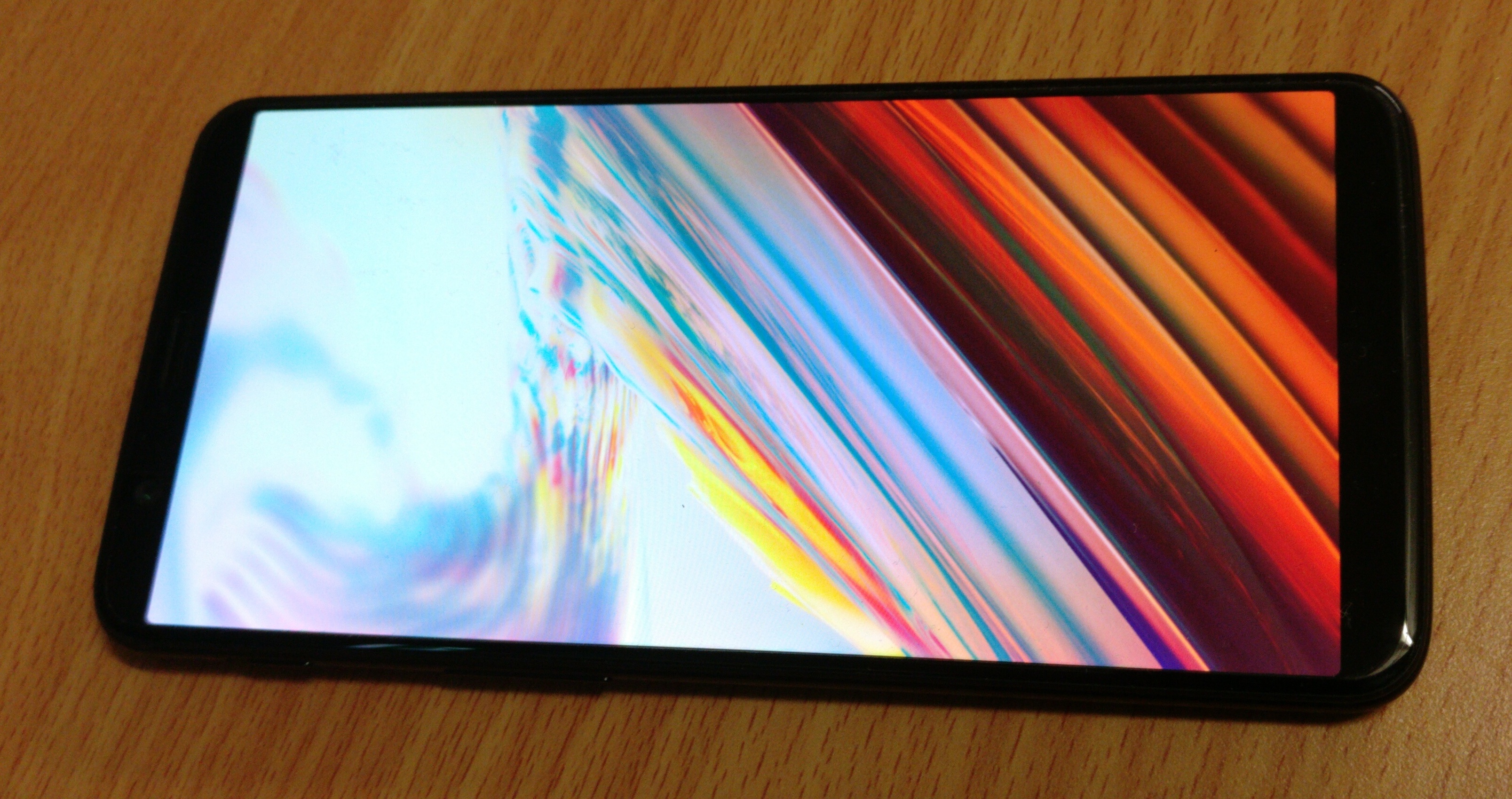
OnePlus is the smartphone company that broke onto the mobile scene relatively recently and made waves with its excellent devices. Based in China, the company seeks to enter the U.S. market in a much bigger manner. This is why the firm’s CEO recently announced that it would start speaking to major carriers in the country in an effort to have them start offering its phones.
OnePlus CEO Pete Lau made the statement at the Bellagio on Wednesday, saying that talks with major U.S. carriers could begin this year, CNET reports. The company has made quite the impression among Android and tech enthusiasts already, but it hasn’t really caught on in the U.S. market just yet.
A deal with a major carrier like AT&T or Verizon could potentially catapult OnePlus to a much bigger audience. From there, the company will capitalize on the excellence of its mobile devices, providing customers with premium handsets at budget prices.
This is also the reason why a potential deal between AT&T and Huawei was so hotly anticipated building up to CES 2018. As already reported, this deal fell through and the Chinese firm’s CEO blasted U.S. carriers for the failed arrangement.
As Android Headlines points out, however, a successful partnership with U.S. carriers could also pose potential problems for OnePlus. There’s the matter of scale, for example, which the manufacturer currently does not have much of yet. More demands for its devices would naturally mean boosting its production, which would be a huge change for the company.
So far, OnePlus has been very particular when it comes to its manufacturing standards, keeping tight control over how many units it produces. A major carrier deal could lead to loosening of these standards, thus leading to more smartphones of lower quality. Of course, this is all speculative as talks haven’t even begun yet.













