


 EU Agrees €6.6 Billion Military Aid Funding for Ukraine
  Trump Asks Supreme Court to Restore Third-Country Deportations
  NATO Boosts Intelligence Sharing Amid Russia Hybrid Threats
  Ukrainian Drone Attacks Hit Russian Regions, Injuring at Least 12
  Netanyahu’s Brief US Trip Highlights Strains With Trump
  Putin Says Ukraine Peace Proposals Remain on Table
  Pezeshkian Says US Must Choose When Iran War Ends
  US Backs Musk in Fight Against EU’s €120 Million X Fine
  Pope Leo Warns UN, Multilateral Groups Face Crisis
  Saudi Arabia, Turkey and Pakistan Plan Urgent Defence Talks Over Houthi Attacks
  Najib Razak Seeks Stay of 15-Year 1MDB Prison Sentence
  Abbas Reaffirms November 28 Palestinian Elections
  Colombia Extradites FARC Dissident Leader ‘Spider’ to US
  Pope Leo Backs Press Freedom After White House Media Ban
  Yemen Violence Displaces 130,000 as Civilian Toll Rises
  Trump Warns China Against Supporting Iran in Xi Talks
  Saudi Arabia Seeks Military Support as Houthi Attacks Escalate


 Add as a preferred source on Google
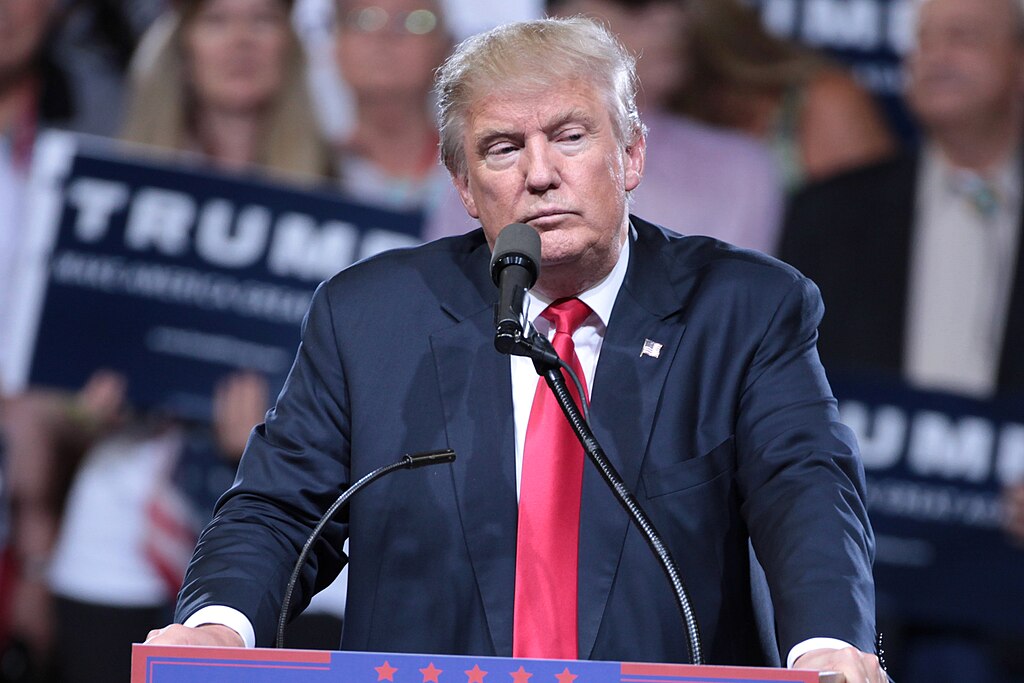
Amid mounting climate and energy challenges, Donald Trump’s 2025 energy strategy raises critical questions about sustainability and national independence.
Trump’s Energy Independence Vision: A Return to Fossil Fuel Dominance
Donald Trump’s 2025 presidency is poised to spotlight energy independence as a cornerstone of his administration’s policy agenda. In a nation grappling with fluctuating gas prices, a growing renewable energy sector, and escalating climate concerns, Trump’s proposals promise sweeping changes to the energy landscape. While his supporters champion his commitment to "American energy dominance," critics question whether his strategies prioritize short-term gains over long-term sustainability.
Key aspects of Trump’s energy plan include ramping up domestic oil and natural gas production, revisiting nuclear energy expansion, and reducing reliance on foreign imports. During his campaign, Trump pledged to restore deregulations rolled back under the Biden administration, which he claims have hampered economic growth and stifled energy innovation. His supporters view this as a decisive step toward revitalizing industries, particularly in regions dependent on fossil fuel extraction.
However, environmentalists argue that Trump’s policies disregard the pressing need to transition to renewable energy sources. Experts warn that doubling down on fossil fuels could exacerbate climate change and sideline the burgeoning green energy market. Balancing economic interests with environmental responsibility will likely define Trump’s energy policies moving forward.
Push for Deregulation and Controversial Keystone Pipeline Revival
Central to Trump’s energy agenda is his intent to slash regulatory barriers that he says hinder domestic energy production. This includes potentially reviving the controversial Keystone XL pipeline project, a proposal that has sparked fierce debate among environmental groups, indigenous communities, and energy advocates.
The pipeline’s supporters argue it would create thousands of jobs and enhance energy transportation efficiency. Conversely, critics highlight its environmental risks, including potential spills and the impact on wildlife. Additionally, Trump has expressed interest in reopening public lands for drilling, a move environmentalists claim prioritizes profits over conservation.
Renewable energy, meanwhile, takes a backseat in Trump’s strategy. His administration is expected to shift federal funding away from green energy projects and focus instead on bolstering coal, oil, and natural gas sectors. This decision has drawn criticism from climate scientists who warn of missed opportunities for sustainable innovation.
Public Reactions: Social Media Erupts in Heated Debate
As details of Trump’s energy plan emerge, netizens have taken to social media to share their views.
- @EnergyForAll: “Trump’s energy plans are a disaster waiting to happen. We need renewables, not another fossil fuel frenzy!”
- @PatriotPipeline: “Keystone XL is long overdue. Time to put America first and end our reliance on foreign oil.”
- @EcoWarrior2025: “Ignoring climate change isn’t leadership—it’s recklessness. The future is green, not black and oily.”
- @JobCreatorUSA: “Finally, an energy policy that supports American jobs and industries. Trump gets it. Let’s build back stronger!”
- @SustainableFuture: “This administration’s energy priorities are out of touch with reality. Climate change won’t wait for deregulation.”
- @TruthSeeker45: “Trump’s energy independence is just another excuse for corporate giveaways. Where’s the plan for everyday Americans?”
A Nation at a Crossroads
Trump’s 2025 energy strategy underscores the complexities of navigating America’s energy future. His supporters see a bold path toward self-sufficiency and economic revival, while critics warn of the environmental and societal costs. As debates intensify, the administration’s ability to deliver on its promises without alienating key stakeholders will likely define Trump’s legacy in the energy sector.







