


 SpaceX Nasdaq 100 Weight to More Than Double in Rebalance
  fnny Beta Launches With a Simple Idea: Find an Event, Show Up, Get Rewarded
  Why financial hardship is more likely if you’re disabled or sick
  The pandemic is still disrupting young people’s careers
  Office design isn’t keeping up with post-COVID work styles - here’s what workers really want
  Petrobras Joins Brazil Diesel Subsidy Program
  What is Zionism? The different meanings of a contested term
  Why have so few atrocities ever been recognised as genocide?
  Debate over H-1B visas shines spotlight on US tech worker shortages
  US Federal Register Drops Alibaba Qwen AI Search Tool
  Trump Bans CNN, MS NOW and Politico From White House
  1 in 3 uni students experience serious financial hardship. Could concession cards for all help?
  Volkswagen Shares Slide After 2026 Profit Outlook Cut
  Why a ‘rip-off’ degree might be worth the money after all – research study
  Stuck in a creativity slump at work? Here are some surprising ways to get your spark back
  Telix to Acquire Germany’s ITM in $1.65 Billion Radiopharma Deal


 Add as a preferred source on Google
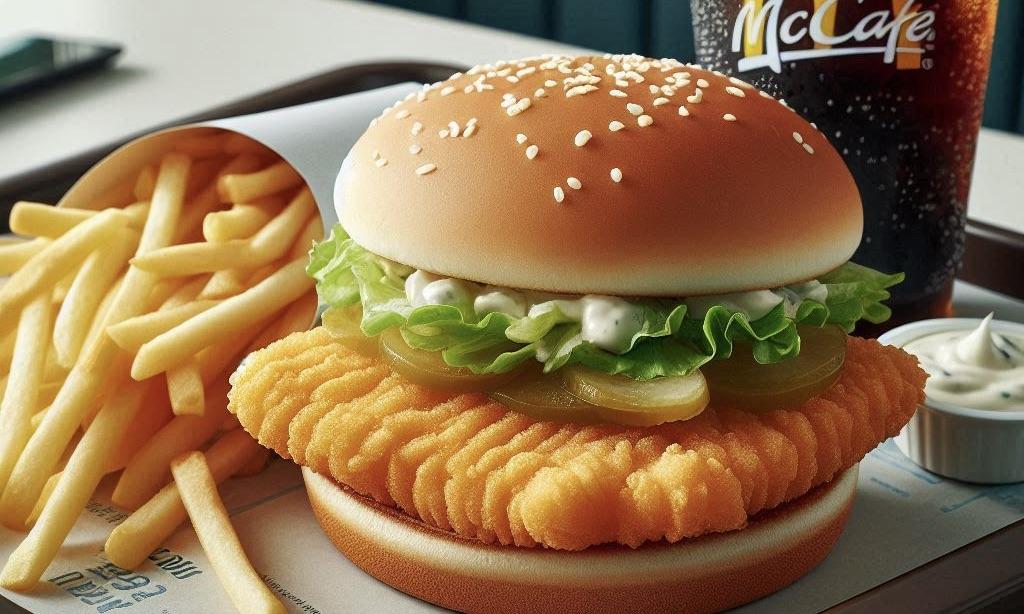
McDonald’s Filet-O-Fish sandwich features wild-caught Alaska Pollock, known for its sustainability and mild, flaky texture. The fish is sourced from the waters around Alaska, reflecting the fast-food giant’s commitment to using sustainable ingredients in its iconic sandwich.
McDonald’s Filet-O-Fish Features Sustainable Alaska Pollock, Highlighting a Commitment to Responsible Sourcing
McDonald’s Filet-O-Fish sandwich, beloved by many, is celebrated for its simple yet satisfying combination of crispy white fish, cheese, and a soft bun. The Filet-O-Fish holds a unique appeal even for those who aren’t avid fish sandwich fans. But have you ever wondered what kind of fish is inside? You’re not alone, and the answer is surprisingly good news: McDonald’s not only sources sustainable fish but also uses one of Alaska’s most abundant resources.
The fish in the Filet-O-Fish is Alaska Pollock, wild-caught from the waters around Alaska and the Bering Sea. This choice reflects McDonald’s commitment to sustainability. Alaska Pollock is managed by strict regulations, making it one of the most sustainable fish populations, with minimal risk of overfishing and low bycatch (unintended capture of other species). This ensures that the fish in your sandwich was thriving in the ocean not long before it was cooked and served.
Interestingly, the Filet-O-Fish could have been made with a different type of fish. Originally, McDonald’sconsidered halibut, and for about 50 years, the sandwich was made with cod. However, it features Alaska Pollock, a fish praised not only for its sustainability but also for its nutritional value.
McDonald’s sells an impressive 300 million Filet-O-Fish sandwiches annually. Given this volume, the company’s dedication to using sustainable fish is a significant achievement. In 2013, McDonald’s began displaying the blue fish label of the Marine Stewardship Council (MSC), making it the only national U.S. restaurant to earn this distinction. This certification highlights the responsible practices employed from sea to sandwich.
From Halibut to Pollock: How the Filet-O-Fish Became a Sustainable and Flavorful Favorite
The Filet-O-Fish was created by franchise owner Lou Groen, who sought a meat-free option to attract Cincinnati’s Catholic population during Lent. The sandwich was a hit, saving Groen’s franchise and helping him expand to 43 more locations. While Groen believed his original halibut version was superior to the cod-based Filet-O-Fish that followed, the switch to Alaska Pollock has proven an intelligent choice for sustainability and flavor.
Alaska Pollock, known for its mild taste, flaky texture, and rich omega-3 content, is frozen at sea, ensuring a fresh product when it reaches McDonald’s kitchens. It’s also one of the most popular fish in the U.S., found in the Filet-O-Fish and various other dishes, including Alaska Pollock gratin. This combination of sustainability, flavor, and nutrition makes Alaska Pollock the perfect choice for McDonald’s iconic sandwich.







