


 Rubio Rejects AI ‘Kill Switch’ Claims as U.S. Defends American Technology Abroad
  Ryanair Warns Summer Airfares May Stay Lower as Quarterly Profit Misses Estimates
  OpenAI Australia Data Center Switches Cooling Strategy After Recycled Water Plan Fails
  Lockheed Martin Unveils Lower-Cost Patriot ACE Interceptor to Meet Rising Air Defense Demand
  Judge Approves Anthropic’s $1.5 Billion AI Copyright Settlement With Authors
  Belimo H1 Sales Surge as AI Data Center Cooling Drives More Than Half of Growth
  Morgan Stanley Downgrades Adobe, Workday as AI Transition Raises Growth Concerns
  ASML Trillion-Dollar Valuation: Can Europe’s AI Chip Giant Reach the Historic Milestone?
  Super Micro Computer Stock Jumps 20% After Record AI Orders and Margin Surge
  GE Vernova Q2 Revenue Tops Estimates as Earnings Miss, Shares Slide Despite Higher 2026 Outlook
  Elon Musk Fuels SpaceX-Tesla Merger Speculation After Earnings Call
  KPMG Australia Appoints John Sams as CEO Following Audit Leak Scandal
  SpaceX Q2 Earnings on Aug. 4 Set Stage for Historic Insider Share Unlock
  Wistron Opens $700M Texas AI Factory to Build Nvidia Superchips in U.S.
  Nvidia Reveals 9.3% Stake in AI Cloud Firm Nebius Following $2 Billion Investment
  Nike Shifts China Online Sales Strategy to Boost Brand and Fight Local Rivals
  Macquarie Names Greg Ward as CEO, Signaling Stability and Strategic Continuity


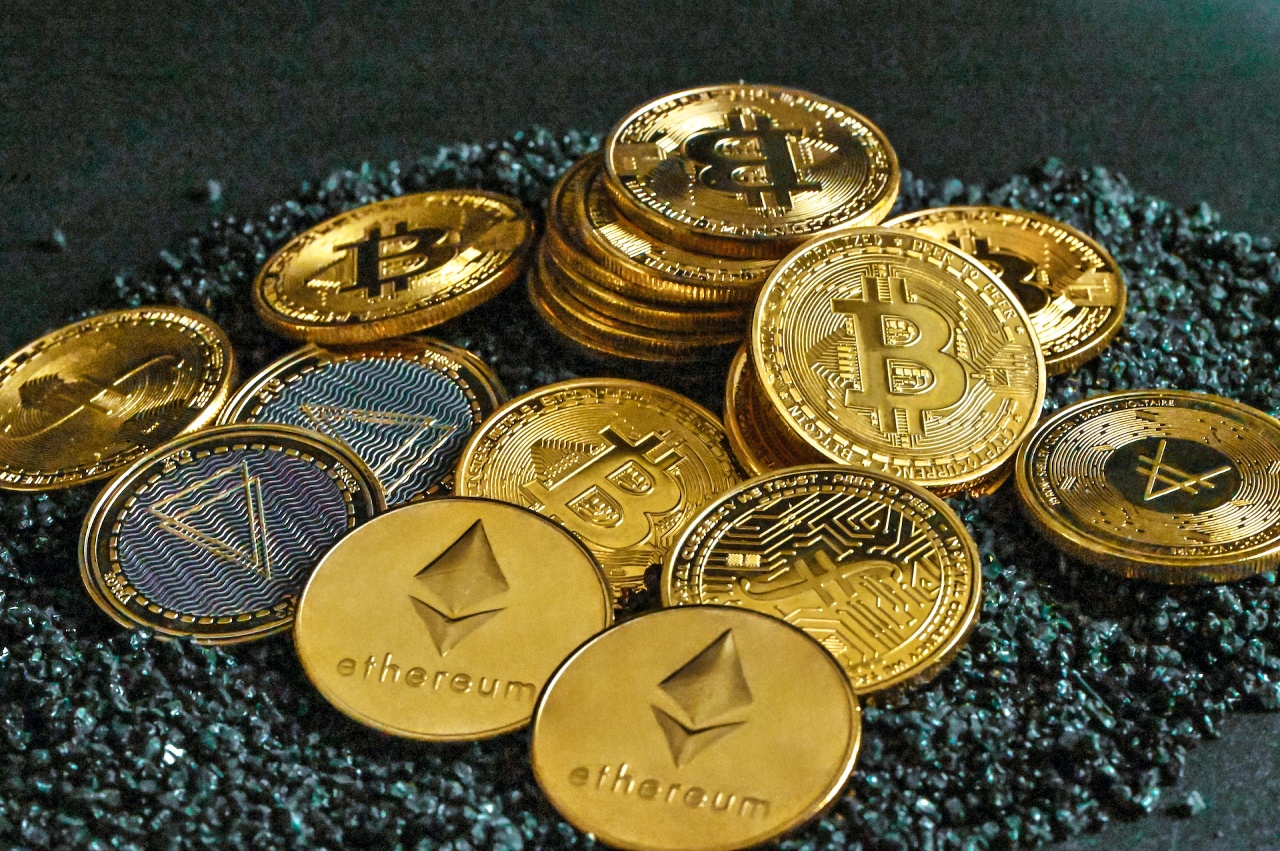
Cryptocurrencies rose in March, despite the collapse of Silvergate Capital and US regulators' action against Binance, historically one of the worst months for Bitcoin (BTC). USD Coin (USDC), the second-largest stablecoin, briefly lost its peg to the dollar in March.
In April, crypto investors will watch for ongoing liquidity concerns in the financial sector, additional regulatory developments, and inflation and labor data.
Crypto assets that performed well in March
Bitcoin's price ended the month at $28,478, a 19.2% increase after briefly exceeding $29,000 in late March, while Ethereum price closed at $1,829.
On the other hand, Polygon (MATIC) lost 9.8% in February among the ten biggest cryptocurrencies by market capitalization. Ripple (XRP) gained 1.3%.
Bitcoin and Ethereum prices have been steady in 2023 after their worst years in 2018. Despite March's gains, Bitcoin prices are up 68.4% year-to-date, and Ethereum prices are up 49.2%.
The bank collapses of SVB Financial (SIVB), Signature Bank (SBNY), Silvergate Capital (S.I.), and Credit Suisse (C.S.) raised concerns about banking stability. But investors' expectations of interest rates also changed due to the crisis.
After news that the Federal Reserve's policy pivot is coming sooner than expected, bitcoin prices are now rising.
Banks that hold cryptocurrency collapse
A contagion spread from the fall of FTX in November 2022 to March 2023.
The company announced on March 8 that it was winding down and liquidating. The drop in deposits forced Silvergate to sell $5.2 billion in debt securities at a loss, forcing them to sell $11.9 billion at the end of the third quarter.
Silvergate closed a couple of days after the Federal Deposit Insurance Corporation announced Silicon Valley Bank would be seized. SVB's assets will be around $209 billion by 2022, while deposits will be about $175 billion.
New York regulators shut down crypto bank Signature Bank on March 12 with $110 billion in assets and $88 billion in deposits.
The President assured Americans on March 13 that everything was fine and that Signature Bank depositors would get their money back.
Investors are worried after USDC parent Circle Internet Financial said it has $3.3 billion in Silicon Valley Bank reserves. USDC's price dropped to 87 cents on March 13, which is supposed to trade at $1.
Circle assured investors it would cover any cash reserves stuck at SVB using company resources, and USDC hit $1 by March 14.
Crackdown on crypto regulation
On March 27, the Commodity Futures Trading Commission (CFTC) sued Binance, CEO Changpeng Zhao, and former compliance officer Samuel Lim, alleging "numerous violations of the Commodity Exchange Act (CEA) and CFTC regulations."
The complaint accuses Binance of offering users derivatives that should only be traded on regulated platforms without registering with US regulators. Barry Weinstein, CEO of VolatilityMarkets, says the Binance lawsuit was the biggest crypto news.
Binance was sued by the CFTC for running an unregistered securities exchange, which was the biggest crypto story in March. "This lawsuit shows that the US government will keep cracking down on cryptocurrency exchanges and custodians," Weinstein says. Therefore, US regulators could target the popular cryptocurrency exchange Coinbase (COIN).
Coinbase announced on March 22 that the Securities and Exchange Commission (SEC) would take enforcement action against it based on the Wells notice. In a statement, Coinbase said it is "confident that our assets and services are legal." The SEC noted that Coinbase is violating investor protection laws.
Also, the SEC is cracking down on celebrities who promote digital assets illegally. Lindsay Lohan, boxer Jake Paul, and six other celebs paid the SEC $400,000 to settle charges of illegally promoting TRX and BTT. A few celebrities and athletes have paid fines or settlements for crypto promotions, including Kim Kardashian, DJ Khaled, Steven Seagal, and Floyd Mayweather Jr.
Global Capital's COO and head of investment, Ian Wittkopp, says investors will watch CFTC and SEC closely. He says regulators have stripped the crypto industry of banking and bullied its most respected and prominent members. Crypto is an easy target, but regulators' cases must hold up in court one day.
Final words
According to experts, digital currency and blockchain technology are expected to continue to grow in popularity in April 2023. Crypto markets are only beginning to realize their potential as blockchain technology develops and innovates. Although there is some risk of volatility, long-term prospects look promising.
This article does not necessarily reflect the opinions of the editors or management of EconoTimes.







