


 Erste Group Plans Tender Offer to Boost Poland Bank Stake
  Mexico-US Trade Talks Delayed to October as Tariff Negotiations Continue
  Dubai’s connectivity remains strong in an uncertain world
  U.S. Treasury Yields Surge as 30-Year Hits 22-Year High
  US Backs Musk in Fight Against EU’s €120 Million X Fine
  EQT Plans €1.7 Billion Sale of Parques Reunidos Stake
  U.S. Dollar Hits Two-Month High as Oil, Treasury Yields Surge
  Brazil Court Suspends Sigma Lithium Mine Operations
  Wall Street Ends Flat as Oil, Treasury Yields and Fed Jitters Rattle Markets
  Fed’s Hammack Says Bond Yield Surge Is Not Driven by Inflation Fears
  Meta Found Liable in New Mexico Facebook Data Privacy Case
  SpaceXAI to Double Nvidia Chips at Colossus 2 by Year-End
  ECB May Stop Rate Hikes After December, Capital Economics Says
  Trump to Ease U.S. Fuel-Economy Standards
  OpenAI Agents Access U.S. Government Websites During Testing
  Solidigm Eyes $150 Billion IPO as SK Hynix Expands AI Storage Push
  Europe’s AI Data Centre Boom Strengthens Case for Nuclear Power


 Add as a preferred source on Google
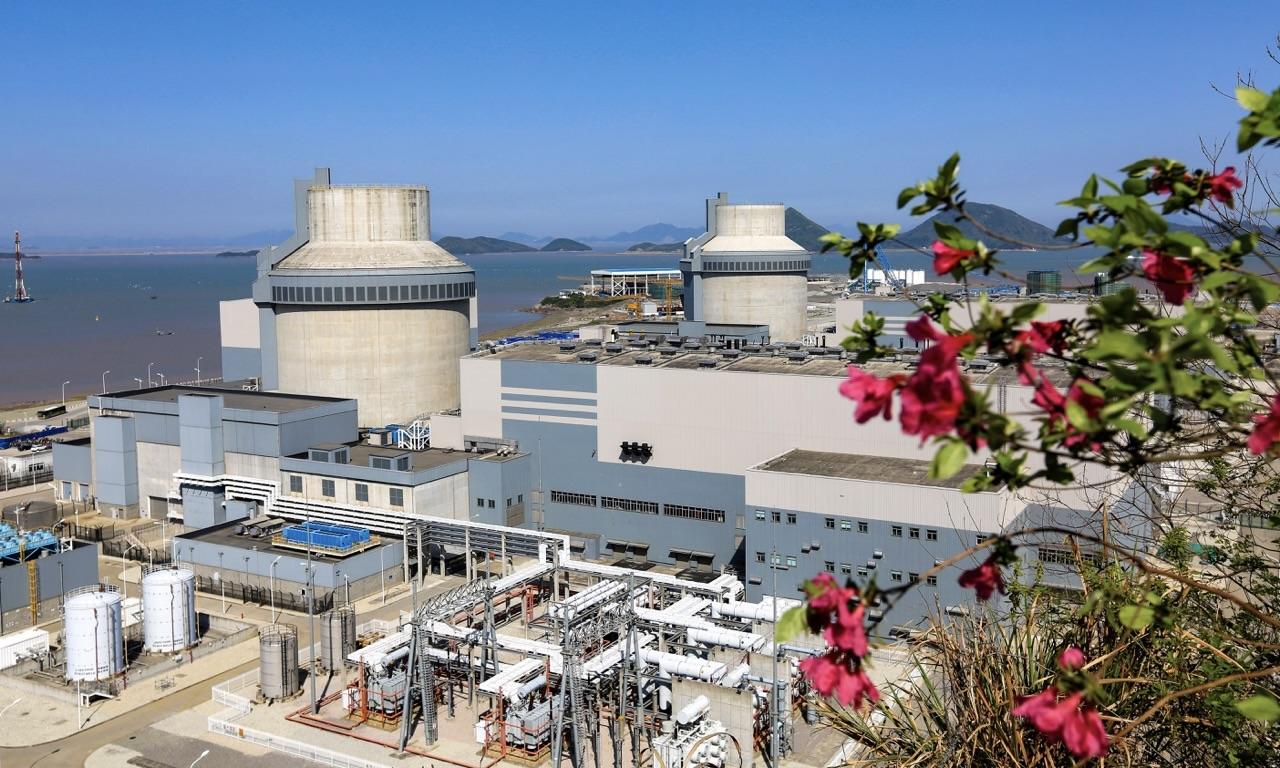
Korea Hydro & Nuclear Power Co. (KHNP) and Westinghouse Electric Corp. have escalated their nuclear technology dispute to the International Chamber of Commerce. The fallout from their disagreement over South Korea's nuclear reactor exports to Poland may cost hundreds of millions of dollars.
According to nuclear and legal industry sources, this move comes after their attempts to reach an out-of-court settlement failed.
The International Chamber of Commerce, chaired by Nicholas Fletcher, is now evaluating the damages claimed by each side, which could amount to several hundred million dollars. The dispute began when Westinghouse filed complaints against KHNP and its parent company, Korea Electric Power Corp., in a US court last October. Their goal was to prevent the exports of nuclear power reactors to Poland.
This action was taken shortly after KHNP signed a letter of intent with Poland's state-run power company Polska Grupa Energetyczna (PGE) and private firm Zespol Elektrowni Patnow-Adamov-Konin (ZE PAK) to construct a nuclear power plant consisting of either two or four power units, each with a capacity of 1.4 gigawatts (GW).
Westinghouse's argument was based on the claim that the Korean nuclear reactor model, APR1400, relied on their original design and technology. Therefore, the two South Korean companies should be responsible for any damages resulting from the export of APR1400-modeled nuclear reactors.
In response, KHNP filed countersuits in the US to compel Westinghouse to withdraw the case while simultaneously seeking an out-of-court resolution. KHNP asserted that they possessed the necessary licenses to utilize the technology, enabling them to export it without the permission of the US nuclear plant developer. Consequently, they argued that they should not be held accountable for royalty payments.
Meanwhile, 33 memorandums of understanding (MoUs) were signed between South Korean and Polish companies, several of which centered around nuclear energy, during the Korea-Poland Business Forum in Warsaw.
Six of these MoUs were specifically related to nuclear power generation. At the same time, two of them were signed between Doosan Enerbility and Polish companies, focusing on constructing new nuclear power plants in Poland.
Last October, a letter of intent was signed by Poland's Ministry of State Assets, South Korea's MOTIE, Polish companies ZE PAK and PGE, and Korea Hydro & Nuclear Power (KHNP) for the development of plans for Poland's second nuclear power plant in Pątnów. This plant will consist of at least two Korean-supplied APR1400 reactors, providing a total capacity of 2800 MWe.







