


 Uber Ordered to Pay $8.5 Million in Bellwether Sexual Assault Lawsuit
  SpaceX Pushes for Early Stock Index Inclusion Ahead of Potential Record-Breaking IPO
  Jack Lang Resigns as Head of Arab World Institute Amid Epstein Controversy
  India–U.S. Interim Trade Pact Cuts Auto Tariffs but Leaves Tesla Out
  Trump Endorses Japan’s Sanae Takaichi Ahead of Crucial Election Amid Market and China Tensions
  Toyota’s Surprise CEO Change Signals Strategic Shift Amid Global Auto Turmoil
  TSMC Eyes 3nm Chip Production in Japan with $17 Billion Kumamoto Investment
  Trump Signs “America First Arms Transfer Strategy” to Prioritize U.S. Weapons Sales
  Norway Opens Corruption Probe Into Former PM and Nobel Committee Chair Thorbjoern Jagland Over Epstein Links
  Alphabet’s Massive AI Spending Surge Signals Confidence in Google’s Growth Engine
  Jensen Huang Urges Taiwan Suppliers to Boost AI Chip Production Amid Surging Demand
  Instagram Outage Disrupts Thousands of U.S. Users
  Missouri Judge Dismisses Lawsuit Challenging Starbucks’ Diversity and Inclusion Policies
  American Airlines CEO to Meet Pilots Union Amid Storm Response and Financial Concerns
  Nvidia CEO Jensen Huang Says AI Investment Boom Is Just Beginning as NVDA Shares Surge
  Amazon Stock Rebounds After Earnings as $200B Capex Plan Sparks AI Spending Debate


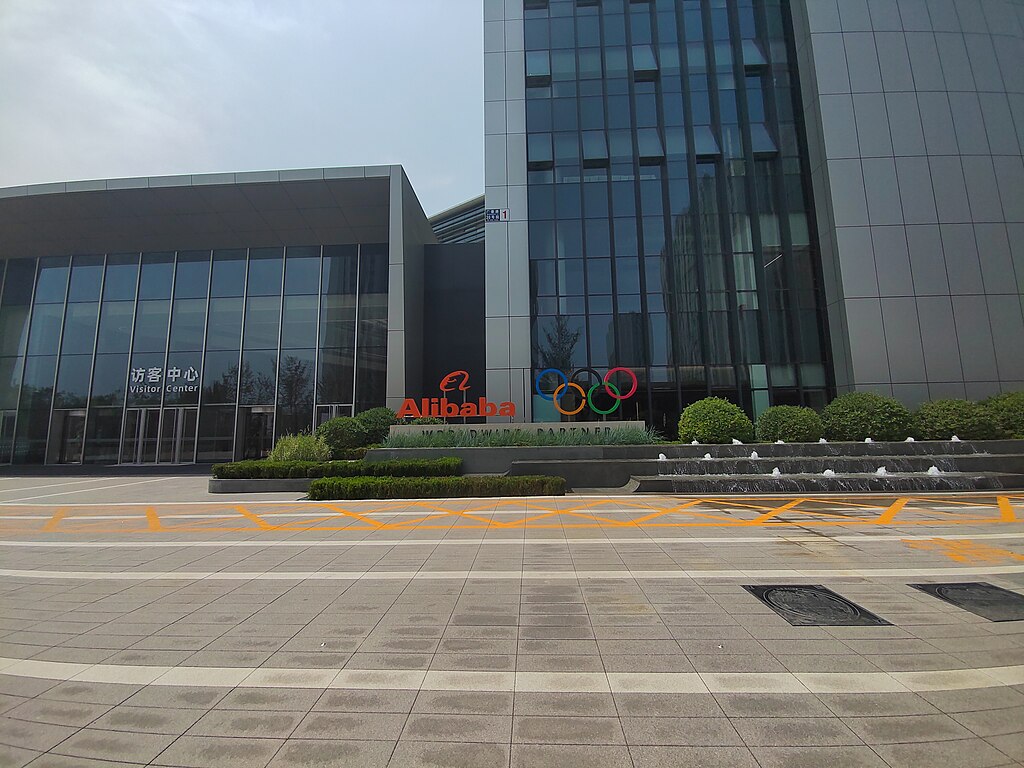
The United States has reportedly accused Alibaba, one of China’s largest technology and e-commerce companies, of supplying technological support to the Chinese military for operations targeting the U.S., according to a Financial Times report citing a White House national security memo. The memo, which includes declassified intelligence, suggests that the company has provided capabilities to the People’s Liberation Army that Washington views as a potential threat to U.S. national security. However, the report did not detail the specific technologies involved or indicate whether the U.S. plans to take further action.
Following the publication of the claims, Alibaba’s U.S.-listed shares dropped more than 4%, reflecting investor concerns about renewed geopolitical tensions and potential regulatory fallout. In a firm response, Alibaba dismissed the allegations as entirely baseless, emphasizing that the information came from an unverifiable anonymous source. The company criticized the leak as a deliberate attempt to undermine the recent trade agreement reached between President Trump and China, framing the accusations as part of a malicious public relations effort.
The Chinese embassy in Washington also rejected the report, reiterating that China opposes cyberattacks in all forms and follows strict laws against such actions. Embassy spokesperson Liu Pengyu condemned the U.S. for what he described as unfounded claims lacking evidence, calling the accusations irresponsible and a distortion of facts. He stressed that China “firmly opposes” the allegations and urged the United States to avoid escalating tensions based on unverified information.
The White House declined to comment on the report, leaving the broader implications uncertain amid an already strained U.S.–China relationship. As both nations navigate sensitive economic and security issues, the controversy adds another layer of complexity to ongoing discussions about technology, cybersecurity, and international trust.
The situation continues to evolve as markets react and both governments maintain firm positions, keeping global attention focused on one of the world’s most closely watched tech and geopolitical conflicts.













