


 TSMC Eyes 3nm Chip Production in Japan with $17 Billion Kumamoto Investment
  Instagram Outage Disrupts Thousands of U.S. Users
  Baidu Approves $5 Billion Share Buyback and Plans First-Ever Dividend in 2026
  Amazon Stock Rebounds After Earnings as $200B Capex Plan Sparks AI Spending Debate
  Prudential Financial Reports Higher Q4 Profit on Strong Underwriting and Investment Gains
  SpaceX Pushes for Early Stock Index Inclusion Ahead of Potential Record-Breaking IPO
  Global PC Makers Eye Chinese Memory Chip Suppliers Amid Ongoing Supply Crunch
  Nvidia, ByteDance, and the U.S.-China AI Chip Standoff Over H200 Exports
  TrumpRx Website Launches to Offer Discounted Prescription Drugs for Cash-Paying Americans
  Toyota’s Surprise CEO Change Signals Strategic Shift Amid Global Auto Turmoil
  Tencent Shares Slide After WeChat Restricts YuanBao AI Promotional Links
  Nasdaq Proposes Fast-Track Rule to Accelerate Index Inclusion for Major New Listings
  Nvidia CEO Jensen Huang Says AI Investment Boom Is Just Beginning as NVDA Shares Surge
  Sony Q3 Profit Jumps on Gaming and Image Sensors, Full-Year Outlook Raised
  Ford and Geely Explore Strategic Manufacturing Partnership in Europe
  Nintendo Shares Slide After Earnings Miss Raises Switch 2 Margin Concerns
  AMD Shares Slide Despite Earnings Beat as Cautious Revenue Outlook Weighs on Stock


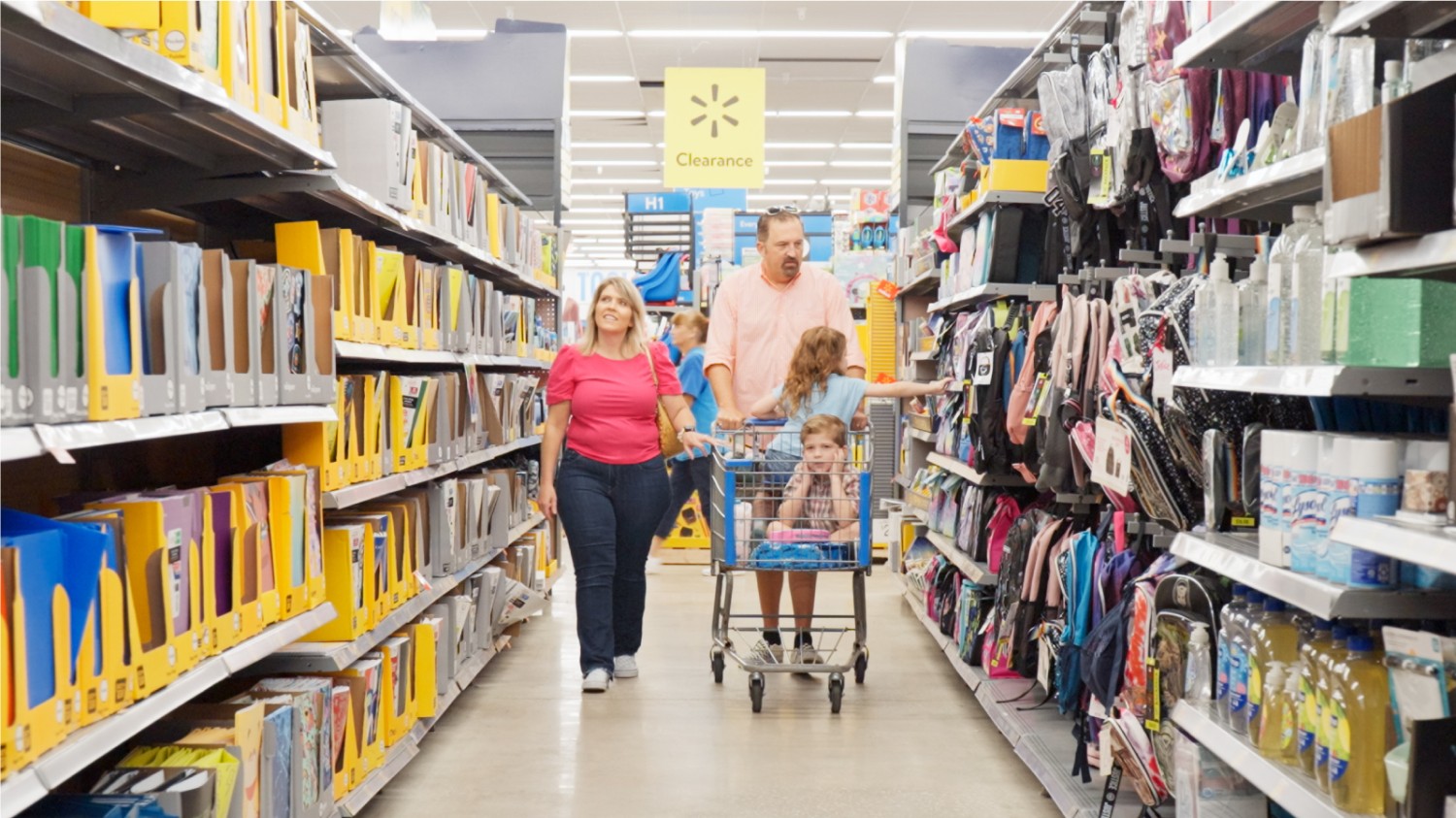
The convenience of self-checkout technology has been reevaluated as retailers face increasing merchandise losses and customer frustrations. This article explores the changing strategies of major supermarket chains and the implications of self-service machines.
CNN reported that supermarket chains worldwide, including Booths in the UK and Walmart and Costco in the US, are reconsidering their self-checkout strategies. Various factors, including higher merchandise losses and customer errors, have prompted retailers to dial back on this technology, according to Albany Herald.
The Rise and Potential Pitfalls of Self-Checkout
Initially introduced in the 1980s to reduce labor expenses, self-checkout machines gained popularity in the early 2000s. During the pandemic, these machines offered a means for contactless transactions. However, their widespread use has led to increased shrinkage and customer frustrations.
Retailers employing self-checkout technology have reported a loss rate of about 4 percent, double the industry average. To curb this problem, stores have employed security features such as weight sensors. While these measures have curbed theft, they have also resulted in more errors and required employee intervention.
Higher shrinkage rates due to self-checkout have prompted retailers to reassess the overall customer experience. Retail giants like Walmart and ShopRite have removed self-checkout machines from certain locations, taking into consideration customer complaints and aiming to mitigate losses.
Challenges and Solutions
Retailers have tried various strategies to limit losses, but the use of self-checkout still presents challenges. Costco, for example, has increased staff in these areas to prevent unauthorized use of membership cards. However, these solutions don't come without their own set of hurdles.
The problem of increased shrinkage, attributed to both shoplifting and self-checkout usage, is pervasive throughout the retail industry. This has sparked calls for stricter penalties for theft and further examination of the implications of self-checkout technology.
As retailers grapple with the ramifications of self-checkout, the future of this technology remains uncertain. Striking the balance between convenience and security will be crucial as retailers seek alternative solutions to reduce losses and enhance the shopping experience.
Photo: Walmart Newsroom













