


 China’s ‘Lipstick King’ Says AI Won’t Replace Livestream Hosts
  Dollar Holds Near Two-Month High as Yen Approaches 160
  Asian Stocks Fall as Bond Yields Surge Ahead of Trump-Xi Summit
  European Stocks Fall as Bond Yields and Geopolitical Risks Weigh
  Asian Currencies Mixed as Dollar Holds Near Two-Month High
  US 10-Year Treasury Yield at 6% Emerges as New Market Risk Threshold
  Japanese Bank Stocks Surge as Bond Yields Fuel Rate Hike Bets
  US Comfortable With Canada Trade Standoff as Import Bans Loom
  Oil Prices Fall on U.S.-Iran Hormuz Deal Hopes
  Japanese Yen Rebounds as Trump Flags Currency Weakness
  Australia Unemployment Hits Five-Year High Despite Strong Jobs Growth
  Canadian Dollar Faces Pressure as Fed-BoC Policy Gap Widens
  Oil Prices Jump 3% as Houthi Attack Revives Supply Fears
  Japan Private-Sector Growth Slows as Domestic Demand Weakens
  US Stock Futures Fall as Treasury Yields Surge Ahead of Trump-Xi Summit
  Soybean Futures Slip as Traders Await Trump-Xi Trade Signals
  Dollar Falls as Oil Eases, Yen Jumps on Intervention Signals


 Add as a preferred source on Google
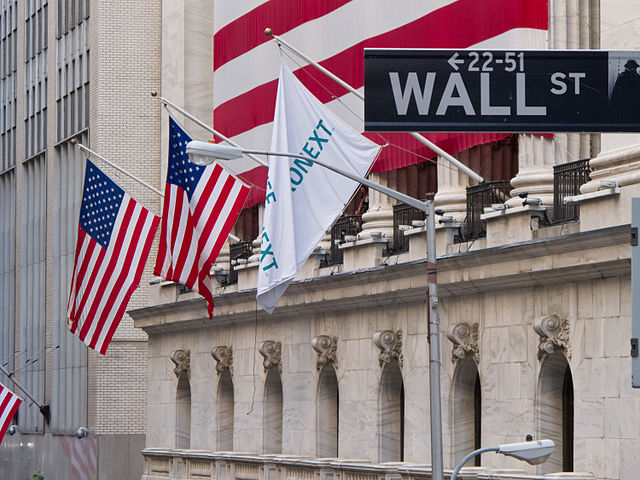
Wall Street futures edged higher on Thursday evening after a sharp selloff during the main session, as traders reacted to fading expectations of a Federal Reserve interest rate cut in December and a continued rotation out of major technology stocks. The market also showed little reaction to the U.S. government’s re-opening after its longest shutdown, even though the move clears the way for official economic data to resume.
By 19:35 ET (00:35 GMT), S&P 500 Futures were up 0.2% at 6,773.0, while Nasdaq 100 Futures gained 0.2% to 25,137.50. Dow Jones Futures also rose 0.2% to 47,640.0. Some relief came from reports suggesting the Trump administration was weighing tariff exemptions aimed at reducing food prices.
Earlier in the day, U.S. equities tumbled as traders scaled back bets on a December rate cut. According to CME FedWatch, markets now see only a 45.8% chance of a 25-basis-point cut, down sharply from 67.8% a week earlier. A 54.2% probability is now priced in for rates to remain unchanged, reflecting increased uncertainty over the economic impact of the nearly 43-day government shutdown. President Trump estimated the shutdown cost the government roughly $1.5 trillion.
The shift has left the Federal Reserve with limited visibility heading into its next meeting, especially with officials warning that October employment and inflation data may never be released. This uncertainty weighed heavily on stocks: the S&P 500 fell 1.7% to 6,737.54, the Nasdaq Composite slid 2.3% to 22,980.36, and the Dow dropped 1.7% to 47,456.98.
Technology stocks were hit hardest as concerns mounted over inflated AI-driven valuations. Nvidia sank 3.6%, while CoreWeave plunged 8.3% after fresh scrutiny over its business model and reliance on Nvidia. CoreWeave’s disappointing revenue forecast earlier in the week sparked a broader AI-related selloff, with the stock losing nearly 25% in five days. Other major decliners included Tesla (-6.7%), Broadcom (-4.3%), and Palantir (-6.5%), the latter pressured by news that investor Michael Burry purchased put options targeting a far lower share price by 2027.
Growing skepticism around AI spending, shrinking margins in tech earnings, and fears of an overheated valuation cycle continue to drive volatility across the sector, fueling one of the steepest tech pullbacks in recent months.







