


 Asian Stocks Fall as Bond Yields Surge Ahead of Trump-Xi Summit
  US Stock Futures Fall as Treasury Yields Surge Ahead of Trump-Xi Summit
  Oil Prices Ease as Iran Tensions Clash With Diplomacy Hopes
  Oil Prices Jump 3% as Houthi Attack Revives Supply Fears
  U.S. Dollar Hits Two-Month High as Oil, Treasury Yields Surge
  European Stocks Fall as Bond Yields and Geopolitical Risks Weigh
  US 10-Year Treasury Yield at 6% Emerges as New Market Risk Threshold
  Fed Unveils Stablecoin Rules Under GENIUS Act
  U.S. 10-Year Treasury Yield Hits 2007 High as Fed Rate Hike Bets Rise
  Soybean Futures Slip as Traders Await Trump-Xi Trade Signals
  US, China Extend Trade Truce to Jan. 10 Ahead of Trump-Xi Summit
  Gold Prices Fall as Treasury Yields Rise on Fed Rate Hike Bets
  Wall Street Ends Flat as Oil, Treasury Yields and Fed Jitters Rattle Markets
  Australia Unemployment Hits Five-Year High Despite Strong Jobs Growth
  Russian Envoy Dmitriev Heads to US for Ukraine Talks


 Add as a preferred source on Google
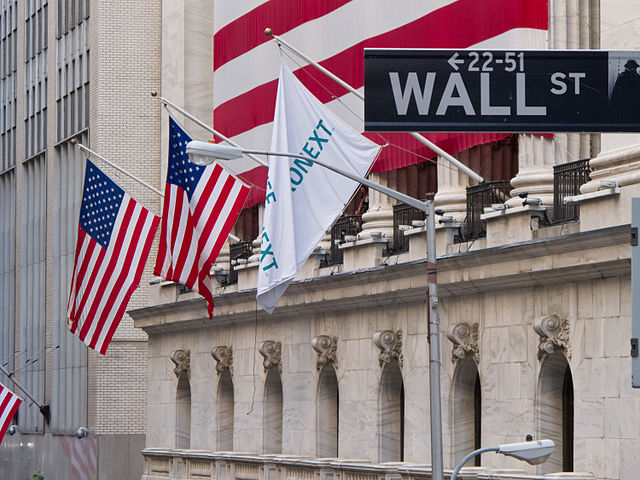
Wall Street closed mixed on Friday as gains in real estate stocks and easing oil prices helped offset weakness in semiconductor shares, while investors remained cautious ahead of next week's Federal Reserve meeting and a wave of major corporate earnings.
The S&P 500 edged up 0.1% to close at 7,412.62, while the Dow Jones Industrial Average gained 0.5% to 51,946.51. The Nasdaq Composite fell 0.6% to 24,975.82, weighed down by continued pressure on technology stocks. For the week, the S&P 500 lost 0.6%, the Dow declined 0.4%, and the Nasdaq dropped 2.1%.
According to Michael Antonelli, market strategist at Baird Private Wealth Management, investors are balancing two major risks: rising inflation fueled by the Middle East conflict and uncertainty surrounding massive artificial intelligence spending by large technology companies.
Oil prices retreated Friday after Brent crude briefly climbed above $100 per barrel a day earlier following attacks on Saudi oil tankers in the Red Sea by Iran-backed Houthi militants. Although crude eased, Brent still posted an 11% weekly gain, reviving inflation concerns and raising expectations that the Federal Reserve could keep interest rates higher for longer. Treasury yields also climbed as investors reduced bond holdings.
Geopolitical tensions remained elevated as the U.S. carried out a 13th consecutive night of strikes against Iran, while ceasefire efforts showed little progress amid conflicting reports over negotiations involving Iraq.
Chip stocks also remained under pressure despite a modest weekly rebound in the Philadelphia Semiconductor Index. Investors continue to question whether the enormous capital expenditures on AI infrastructure by major technology companies will generate sufficient returns. Alphabet's record quarterly cash burn and Tesla's first negative free cash flow since early 2024 reinforced those concerns, although Intel delivered stronger-than-expected quarterly results driven by AI-related chip demand.
Trade policy added another layer of uncertainty after President Donald Trump imposed new tariffs ranging from 10% to 12.5% on imports from 60 U.S. trading partners, replacing the previous global tariff program. The administration said the measures target countries that fail to adequately enforce bans on forced-labor goods, though critics argue the move is primarily designed to restore Trump's broader tariff strategy through a more legally durable trade framework.







