


 US, China Extend Trade Truce to Jan. 10 Ahead of Trump-Xi Summit
  Russian Envoy Dmitriev Heads to US for Ukraine Talks
  RBI Uses $10 Billion Currency Swaps to Drain Excess Rupee Liquidity
  Japanese Bank Stocks Surge as Bond Yields Fuel Rate Hike Bets
  Asian Currencies Mixed as Dollar Holds Near Two-Month High
  Gold Holds Near $4,275 as Rising Treasury Yields Fuel Fed Rate Hike Bets
  Soybean Futures Slip as Traders Await Trump-Xi Trade Signals
  Wall Street Ends Flat as Oil, Treasury Yields and Fed Jitters Rattle Markets
  US Stock Futures Fall as Treasury Yields Surge Ahead of Trump-Xi Summit
  China’s ‘Lipstick King’ Says AI Won’t Replace Livestream Hosts
  Asian Stocks Fall as Bond Yields Surge Ahead of Trump-Xi Summit
  U.S. Treasury Yields Surge as 30-Year Hits 22-Year High
  Australia Unemployment Hits Five-Year High Despite Strong Jobs Growth
  U.S. 10-Year Treasury Yield Hits 2007 High as Fed Rate Hike Bets Rise
  Japan Private-Sector Growth Slows as Domestic Demand Weakens
  Fed Unveils Stablecoin Rules Under GENIUS Act
  Oil Prices Ease as Iran Tensions Clash With Diplomacy Hopes


 Add as a preferred source on Google
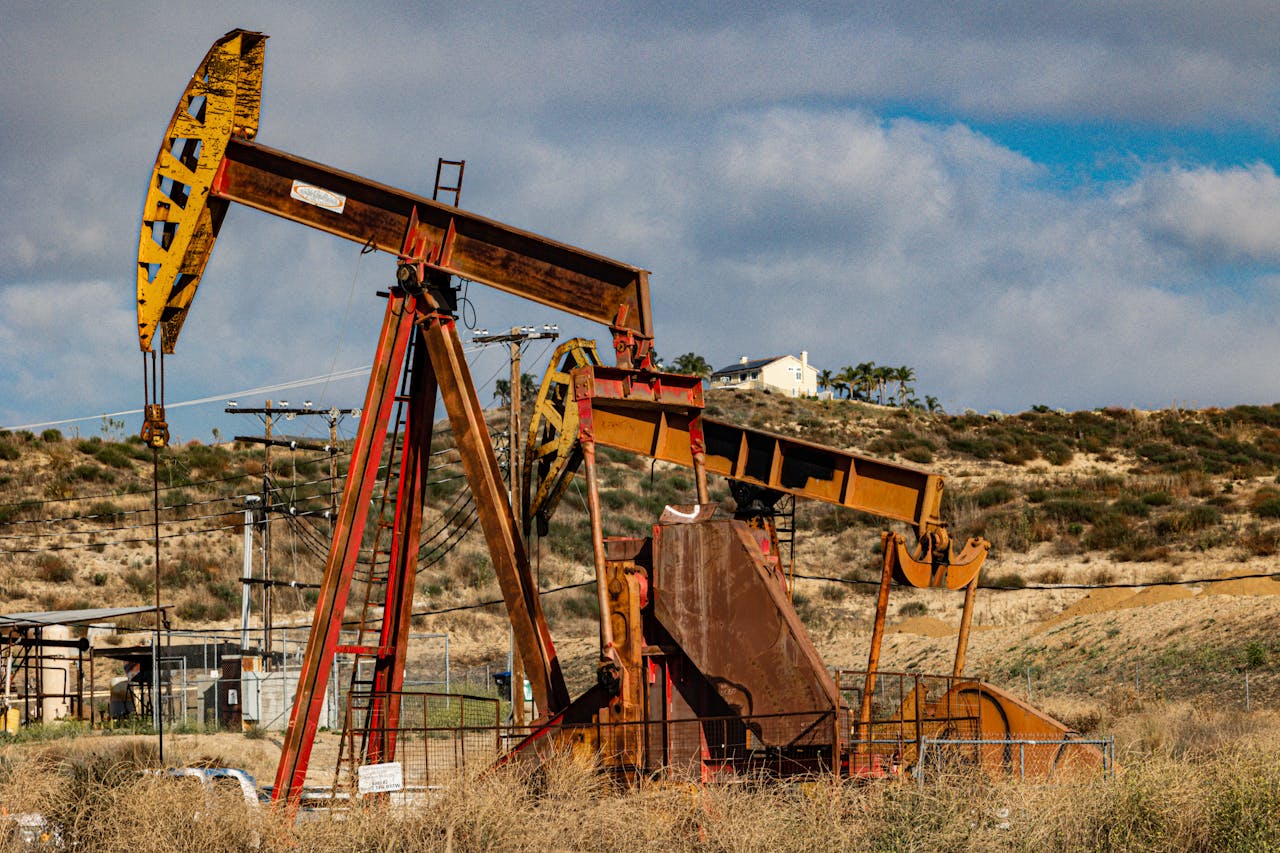
West Texas Intermediate crude oil prices declined on Wednesday as traders focused on mounting geopolitical uncertainty and expectations of a build in U.S. crude inventories, which overshadowed supply disruptions from Kazakhstan. Despite a temporary halt in production at two major Kazakh oil fields, broader market pressures continued to dominate oil price movements.
WTI crude for March delivery fell 79 cents, or 1.31%, to trade at $59.57 per barrel by 0008 GMT. This pullback followed a strong previous session in which the contract gained 90 cents, or 1.51%. Meanwhile, Brent crude for March had not yet begun trading on Wednesday, but it rose 98 cents, or 1.53%, to settle at $64.92 per barrel in the prior session, supported by supply concerns and upbeat economic data from China.
Oil prices initially climbed after Kazakhstan, an OPEC+ member, temporarily suspended output at the Tengiz and Korolev oil fields due to power distribution problems. Industry sources told Reuters that production at these sites could remain offline for another seven to ten days. Tengiz is one of the world’s largest oil fields, making any disruption closely watched by global energy markets. However, analysts noted that the outage is short-lived and unlikely to significantly tighten global supply.
According to IG market analyst Tony Sycamore, the temporary production halt has been outweighed by persistent geopolitical risks and expectations of rising U.S. crude stockpiles. Adding to market uncertainty, U.S. President Donald Trump reiterated there was “no going back” on his objective to control Greenland, renewing concerns over potential trade tensions. His earlier threat of imposing new tariffs on several European countries if negotiations fail has raised fears of slower economic growth, which could dampen oil demand.
Market participants are also awaiting key U.S. inventory data. A preliminary Reuters poll indicated that U.S. crude oil and gasoline inventories likely increased last week, while distillate stockpiles were expected to fall. The official Energy Information Administration report, due Thursday, is expected to provide further direction for crude oil prices in the near term.
Overall, oil markets remain sensitive to a mix of supply disruptions, geopolitical developments, and inventory trends, keeping volatility elevated for both WTI and Brent crude prices.







