


 OpenAI Seeks $30 Billion at $1.4 Trillion Valuation
  DeepSeek, Huawei Partner on Ascend AI Chip Programming Tools
  Boeing Wins $20 Billion Navy F/A-XX Stealth Fighter Contract
  Lindt Slashes 2026 Sales Growth Forecast as European Demand Weakens
  CFTC Moves to Define Prediction Markets as Swaps
  TD Cowen Starts SpaceX at Buy, Sees AI Compute Driving Growth
  CNN, Politico and MS NOW Seek Court Order Blocking Trump White House Ban
  Google Pays Publishers for AI Search Content in New Pilot
  Morgan Stanley Launches Digital Asset Lab for Stablecoins and Tokenization
  Petrobras Launches Cardano Apps to Track Low-Carbon Fuels
  Standard Chartered Sees Ethena ENA Hitting $2 by 2028
  QNT Whales Move $10M to Exchanges After 400% Rally
  Ripple and Cardano Expand Blockchain Adoption in Brazil
  Pepco Raises FY26 Earnings Outlook, Unveils €400 Million Buyback
  Grayscale Sees Zcash Gaining Market Share Against Bitcoin
  BlackRock Sees AI Agents Fueling New Crypto Demand
  Michael Saylor Sees Strategy, Strive Expanding Bitcoin Credit Market


 Add as a preferred source on Google
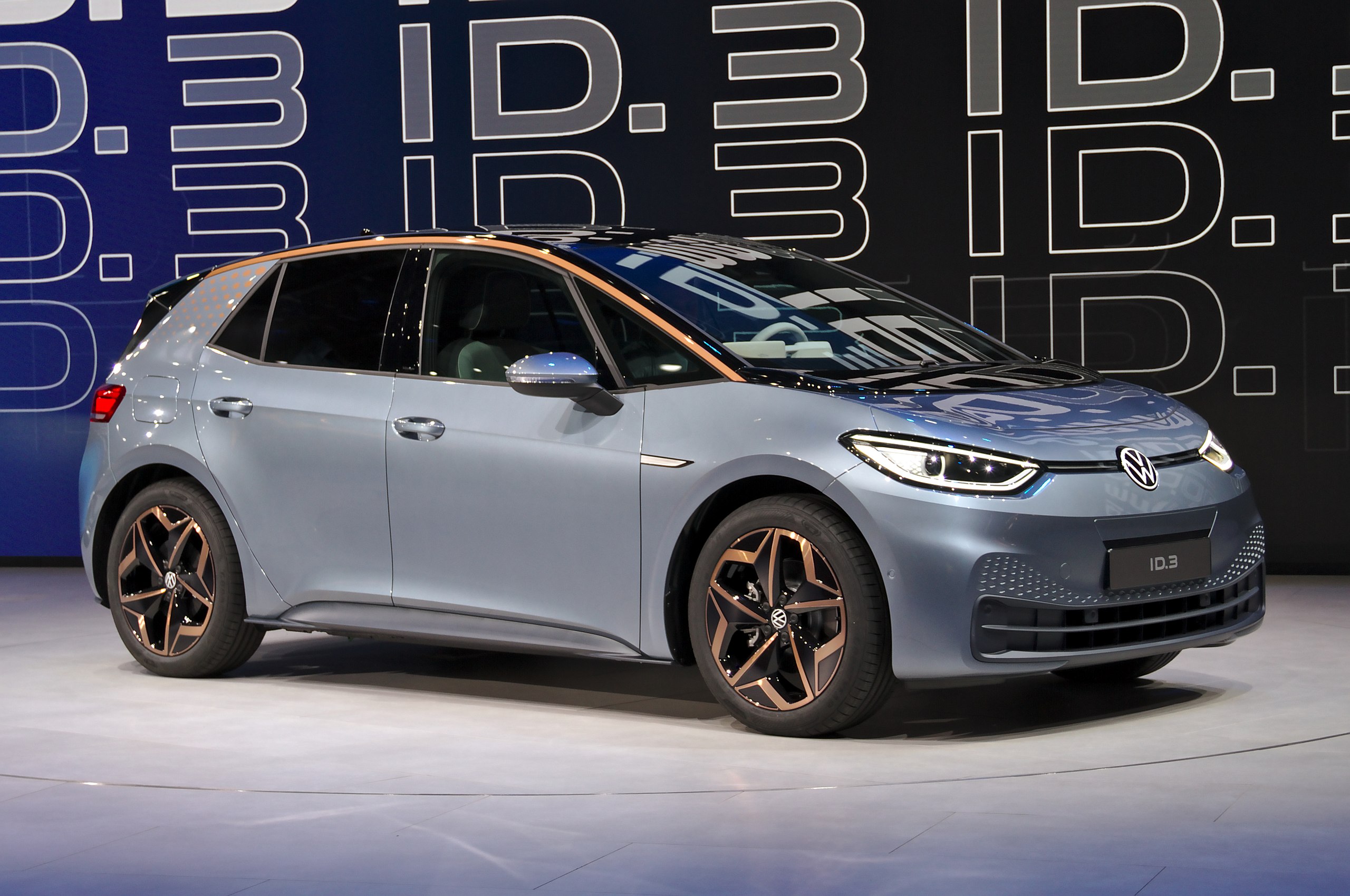
Despite its longstanding reputation as one of the leading names in the automotive industry, recent reports suggest that Volkswagen's brand is no longer competitive in the global market. One of the primary reasons lies in the intensifying competition within the automotive sector.
With advancements in technology and the emergence of new players, consumers now have a more comprehensive array of choices than ever before. Moreover, there has been a notable shift in customer preferences towards electric and hybrid vehicles, an area where Volkswagen's offerings have been perceived as lagging behind.
The Need for Strategic Overhaul and Innovation
CNN reported that beyond industry-wide competition, Volkswagen has also been grappling with internal challenges affecting its brand image. The emissions scandal in 2015, which involved the manipulation of emissions tests, dealt a severe blow to the company's reputation and consumer trust.
Despite efforts to make amends and regain trust, the lingering effects of this scandal persist, further contributing to the brand's struggles.
Recognizing the situation's urgency, Volkswagen is now compelled to undertake a comprehensive strategic overhaul. With a renewed focus on innovation, the company aims to revitalize its brand identity and regain a competitive edge in the global market. According to Reuters, by investing in research and development of electric and alternative fuel vehicles, Volkswagen hopes to win back customers and position itself as a leader in sustainable mobility.
Future Prospects and Roadmap Ahead
Another crucial aspect of Volkswagen's revival strategy is reinforcing brand perception and rebuilding consumer confidence. This requires strategic marketing campaigns emphasizing product quality, innovation, and sustainability. By delivering on these promises and effectively communicating these values, Volkswagen aims to regain the trust of its customer base and attract new buyers.
Volkswagen also recognizes the importance of collaborations and partnerships to drive innovation and expand its market reach. By joining forces with leading technology companies and investing in strategic alliances, Volkswagen can tap into new expertise and leverage synergies to develop cutting-edge vehicles and technologies.
Such collaborations can open up new opportunities for the brand while enhancing its competitiveness in the global market.
While the challenges facing the Volkswagen brand are undeniable, the company remains optimistic about its future prospects. The strategic overhaul, innovative focus, and collaborative partnerships are all vital elements of Volkswagen's roadmap to regain competitiveness and reclaim its position as a leading automotive brand.








