


 Meta Partners With Shopify to Bring Shop Pay Checkout to Muse AI
  US Federal Register Drops Alibaba Qwen AI Search Tool
  Petrobras Joins Brazil Diesel Subsidy Program
  Telix to Acquire Germany’s ITM in $1.65 Billion Radiopharma Deal
  China Vanke Shares Jump as Beijing Moves to Ease Debt Pressure
  Trump Plans Federal AI Force and AI Czar
  Paramount Skydance Faces $30 Million Film Penalty in Warner Bros. Deal
  Apple Pay Set for India Launch With Axis Bank
  Trump Bans CNN, MS NOW and Politico From White House
  Westinghouse Targets $50 Billion Valuation in U.S. IPO
  Prysmian, Rio Tinto Supply Low-Carbon Cables for Amazon Ohio Data Center
  fnny Beta Launches With a Simple Idea: Find an Event, Show Up, Get Rewarded
  Hyundai CEO Warns Chinese Automakers Could Disrupt US Market
  Novo Nordisk Weighs Direct NYSE Listing to Boost U.S. Profile
  SoftBank Launches $11 Billion Bond Sale to Fund OpenAI Investment
  Paramount-Warner Bros $110 Billion Deal Draws Antitrust Backlash


 Add as a preferred source on Google
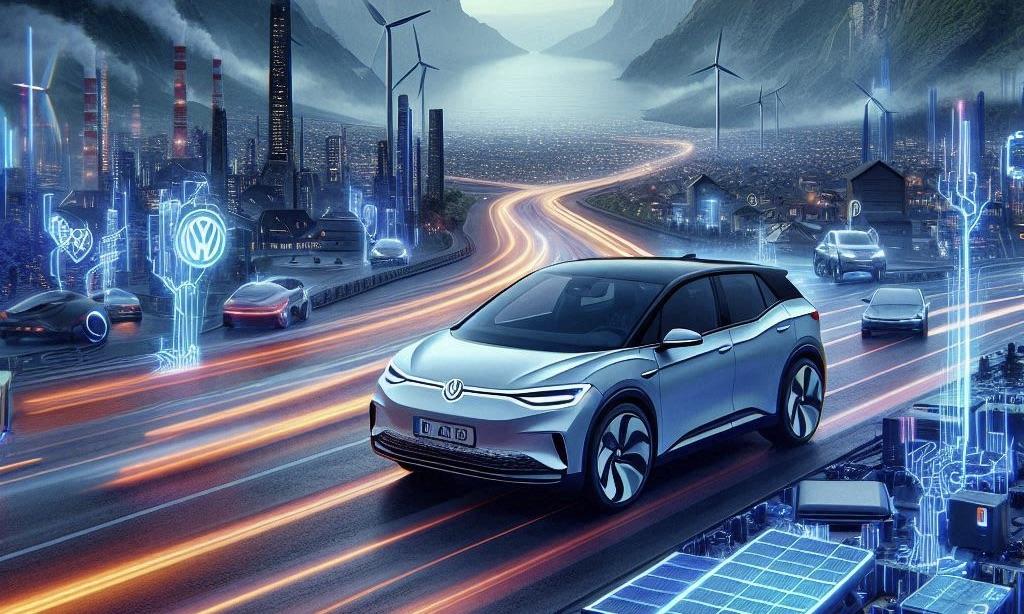
Due to persistent software-related issues, Volkswagen is facing delays in its next-generation vehicle models, including the electric ID.4. Initially scheduled for 2028, the ID.4's release has been postponed to 2029, impacting Volkswagen's plans for autonomous driving advancements.
Volkswagen Faces Software Issues, Delays Next-Gen ID.4 and T-Sport EVs to 2029 and 2031
Volkswagen is experiencing persistent software-related complications, which have postponed numerous next-generation vehicle models, including the electric ID.4.
According to a report published by the German outlet Handelsblatt earlier this month, Volkswagen's Scalable System Platform (SSP) software is causing a delay in the development of the next-generation ID.4. The initial SSP-based vehicles were anticipated to be introduced in 2028. However, the ID.4 is now scheduled to be released in 2029 at the latest, and the electrified T-Sport has been postponed from 2028 to at least 2031.
The SSP, initially anticipated to be implemented on nearly all of Volkswagen's 2025 and subsequent models held great promise. However, over the past few years, the automaker has encountered consistent complications with its software subsidiary, Cariad, leading to delays and restructuring.
The SSP, a key component in Volkswagen's roadmap to achieving Level 4 autonomous driving, was expected to be adopted by Audi and Porsche, Volkswagen's other brands. The Level 4 autonomous driving capability would have allowed the vehicle to perform all driving functions under certain conditions, significantly reducing the need for human intervention. However, the launch of the next-generation ID. 4 is now approximately 15 months behind schedule due to the delay in SSP development.
Software Issues Lead to Delays and Workforce Cuts at Volkswagen's Cariad, Impacting Partnerships and Product Launches
The software issues that have plagued ID. 4 since its inception have not only led to significant delays and a workforce reduction of up to 2,000 at Cariad, Volkswagen's software subsidiary, but they have also impacted the company's partnerships. These issues have caused delays in product launches, affecting the company's ability to deliver on its commitments.
Last month, Volkswagen and Rivian announced a $5 billion investment in the electric vehicle manufacturer. This investment is part of Volkswagen's strategy to develop next-generation software-defined vehicle (SDV) platforms compatible with their respective electric cars. Volkswagen is commencing its investment with a $1 million banknote that will be converted into Rivian stock following the pair's official approval in Germany to establish a joint venture to manufacture electric vehicles (EVs).







