


 OpenAI Rejects Apple Trade Secret Theft Claims
  U.S. Probes Apex Logistics Over Nvidia AI Chip Shipments to China
  New Zealand Labour Backs Social Media Ban for Under-16s
  Apple’s Phil Schiller Steps Back as Leadership Shake-Up Accelerates
  Faraday Future Delivers First Robots in Middle East, Plans September Launches
  South Korea Unveils Record $597 Billion 2027 Budget to Boost AI and Chips
  Unitree Shares Plunge 45% After Blockbuster IPO, Raising China Tech Bubble Fears
  U.S. Disrupts China-Linked Hacking Campaign Targeting Government Agencies
  Trump Buys SpaceX Shares After Record IPO
  Google Expands Gemini Enterprise With AI Tools for Legal Sector
  MediaTek Shares Jump 10% on Nvidia’s $3.5 Billion Investment
  Luxshare Shares Rise as First-Half Profit Jumps 18%
  SpaceX Mobile Network Could Cost Up to $130 Billion, Bernstein Says
  Salesforce Shares Surge as AI Demand Powers Q2 Earnings Beat
  Nvidia Pauses AI Cloud Financing Deals Amid Antitrust Concerns


 Add as a preferred source on Google
While a number countries in the world – especially developed ones – are conducting research on the crypto market and blockchain tech, Russia is not too keen on involving itself with the technology.
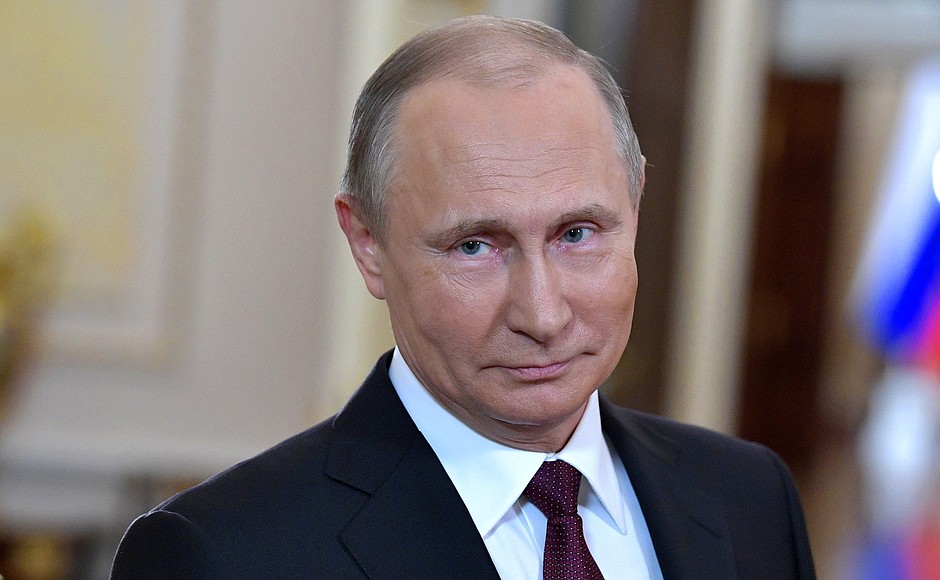
At least, that’s what it looks like after Vladimir Putin addressed the Russian public on an annual TV program on Thursday where the controversial leader has appeared for the 16th time.
On the program, called Direct Line, the general masses get the chance to ask their leader different questions, with these queries selected beforehand to give way to important matters brewing in the country, Coindesk reported. Cryptocurrency was among the topics that got through this year, and it seems this won’t be the last time that Putin will comment on this incipient market.
There were three questions asked: Will Russia create its own cryptocurrency? Will the government seek to control it? Can the cryptocurrency possibly replace traditional money in the country?
Putin, in his response, said that because cryptocurrency is decentralized by design, Russia can’t create its own digital cash as it “goes beyond borders.” The second question he addressed by citing crypto-mining and how Russia isn’t regulating the operations, although it “treats it very carefully.” As for the last question, the president said that the Central Bank of the Russian Federation doesn’t recognize cryptocurrency as a mode of payment nor a store of value.
However, Putin did remark on the technology’s uses, specifically on how it can bypass constraints imposed on the global financial market. This implies that blockchain can somehow mitigate the international sanctions levied on Russia following the Ukrainian crisis, which contributed to the collapse of the Russian ruble.
There are currently three bills deliberated on in the Russian parliament which involve crypto, two of which have gone through the first round. Both bills mean to add blockchain jargon to the Russian legal language. The two also mandate restrictions on the cashing of cryptocurrencies on authorized financial sectors and appoint the Bank of Russia as a regulator that will manage the crypto trade and initial coin offerings (ICO) conducted within Russia’s borders.
The third bill, which would have proposed “crypto-ruble” to regulators, didn’t even get through the first round as legislators rejected it.
Putin said that Russia will continue to observe how blockchain unfolds to better measure the best way the country can “participate in the process.”







