


 Qualcomm Gains on $60B Amazon AI Chip Deal
  Nvidia CEO Jensen Huang Expected at Trump-Xi State Dinner
  Rosenblatt Starts Nokia at Buy on AI Networking Growth
  SpaceX Nasdaq 100 Weight Set to More Than Double
  Meta CEO Zuckerberg Backs Independent AI Safety Reviews Over Development Slowdown
  Meta’s AI Shopping Push Grows as Agentic Commerce Remains Below 1%
  SoftBank Shares Jump 8% as SB Energy IPO Optimism Builds
  American Airlines Eyes Capacity Cuts as High Fuel Prices Persist
  Samsung Heavy Wins $1.22 Billion LNG Carrier and Tanker Deal
  SK Hynix, Intel Discuss U.S. Memory Chip Production Deal
  Syngenta Files for Hong Kong IPO, Eyes $5 Billion Raise
  Ex-Google DeepMind Researcher Warns AI Could Pose Existential Threat
  Bill Gates Warns Governments Are Unprepared for AI Disruption
  SoftBank Shares Plunge 11% After OpenAI Rules Out 2026 IPO
  MediaTek Unveils 2nm Dimensity 9600 Pro AI Chip
  China’s Global Times Slams Anthropic CEO’s AI Slowdown Plan as ‘Cold War’ Strategy
  OpenAI Rules Out 2026 IPO as Altman Prioritizes AI Safety


 Add as a preferred source on Google
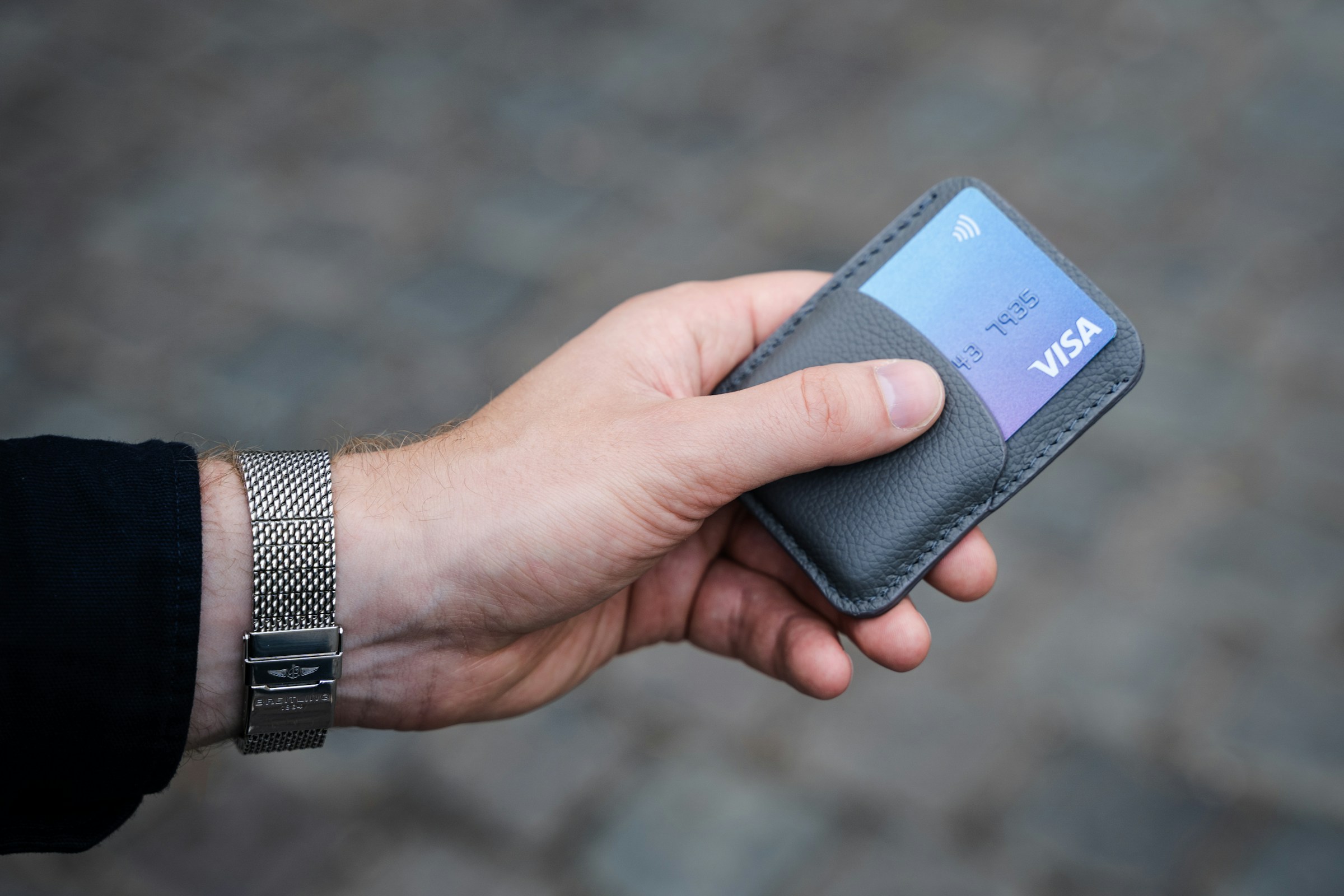
Visa's second-quarter results outpaced Wall Street forecasts on Tuesday, as robust consumer spending on travel and dining helped its shares climb 2.7% in after-hours trading. Despite fears over a slowing economy, US consumers continue investing in significant purchases and international travel, showcasing remarkable resilience against prolonged high interest rates.
International Travel and E-commerce Trends
Business-Standard reported that Visa executives highlighted in an analyst call that international travel remains vigorous, especially from the US and Europe. However, a slower-than-expected recovery in the Asia-Pacific travel sector has been noted. Despite this, strong e-commerce trends have compensated for the lackluster performance in Asian markets.
CFO Chris Suh conveyed optimism about continued recovery through the year, albeit at a pace below initial expectations in Asia.
A Close Look at Visa's Numbers
According to Reuters, the world's largest payments processor witnessed an 8% rise in payment volume for the quarter. Notably, cross-border volume, excluding intra-Europe transactions, surged 16%, indicating a healthy demand for international travel. The processed transactions also saw an 11% increase.
According to Suh, these figures reflect a stable consumer spending pattern across different segments, negating any significant changes in consumer behavior.
Forecast and Analyst Insights
Visa is gearing up for a strong summer season, traditionally marked by high travel volumes. Expecting "low double-digit" net revenue growth for the quarter ending June 30, the company remains confident about its 2024 revenue and profit outlooks.
Analysts, like Dan Dolev from Mizuho, view Visa's steadfast guidance as a positive sign, countering investor fears of potential downward revisions.
Visa's quarterly adjusted earnings per share of $2.51 exceeded the LSEG's prediction of $2.44, with net revenue reaching $8.8 billion, surpassing the anticipated $8.62 billion. This positive turn follows Visa and Mastercard's landmark $30 billion settlement in March to cap credit and debit card fees for merchants, a move expected to slightly benefit consumers through reduced prices but deemed financially inconsequential to the companies.
Photo: Aleksandrs Karevs/Unsplash







