


 Taiwan Launches Five-Day Combat Readiness Drill Amid Rising China Military Activity
  UNAIDS Urges U.S. to Reconsider South Africa HIV Funding Withdrawal
  Andy Burnham Emerges as Favorite After Keir Starmer Resigns
  Moscow Downs Dozens of Ukrainian Drones as Airports Halt Flights Amid Escalating Attacks
  US Military Strike on Suspected Drug Trafficking Vessel Leaves Two Dead in Caribbean
  Rubio Faces Gulf Skepticism Over U.S.-Iran Peace Deal
  US Delivers $13M Autonomous Maritime Drones to Philippines
  U.S. Eases Iran Team Travel Restrictions Ahead of Seattle World Cup Match
  Trump Threatens ABC News Lawsuit Over Lincoln Memorial Reflecting Pool Coverage
  US Waives Iran Sanctions for 60 Days as Peace Talks Advance and Lebanon Sees Calm
  Russia Signals Frustration Over Unfulfilled U.S. Commitments After Alaska Summit
  US Senate Approves War Powers Resolution Urging Trump to End Iran Military Action
  Pedro Sanchez’s Wife Ordered to Stand Trial in Spain Corruption Case
  With Iran and the US signing a peace deal, where does that leave Benjamin Netanyahu?
  Trump’s Quantum Push Lifts IBM Stock as CEO Arvind Krishna Receives White House Praise
  Japan, U.S. Discuss Yen Weakness as Currency Intervention Concerns Grow


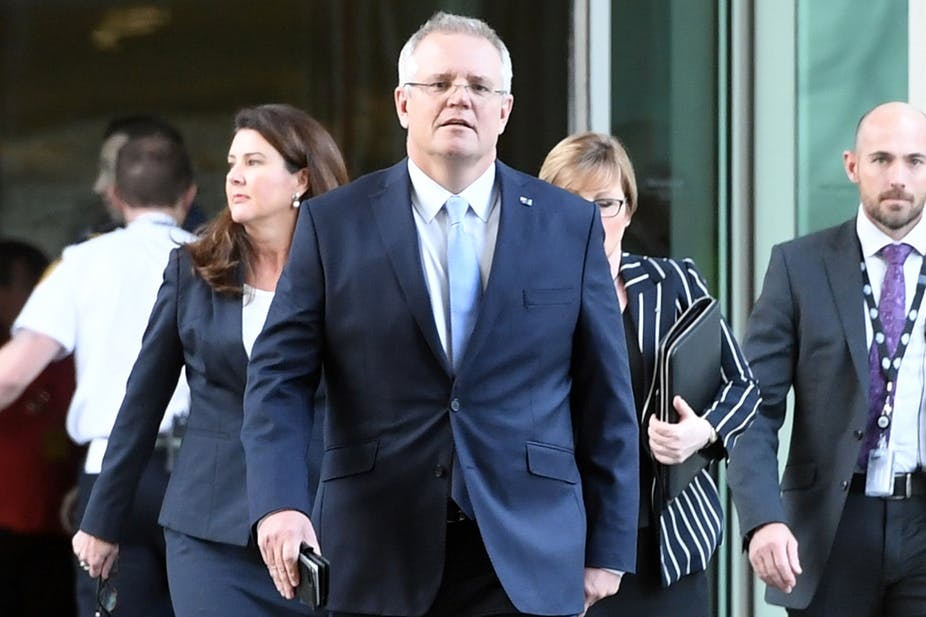
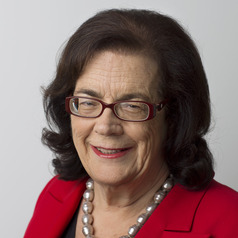
The debate about the vexed vaccination rollout on Wednesday exploded into an extraordinary free-for-all, with Prime Minister Scott Morrison under fire and health experts arguing among themselves.
Morrison had hoped by easing the way for younger people to get AstraZeneca he’d give a push to the program’s slow pace; equally, he wanted to put to use the excess supply of a vaccine that’s become unpopular in the public marketplace.
But his Monday night comments after national cabinet did not sit easily with the advice of the Australian Technical Advisory Group on Immunisation.
ATAGI says Pfizer is the preferred vaccine for people under 60. When it comes to AstraZeneca, it has not given an actual no-no for younger people – seeing it as an alternative when Pfizer’s not available and there’s informed consent – but has discouraged its use.
Former health department secretary Jane Halton makes the distinction between population-wide advice – about those over and under 60 – and what may be best for individuals based on their own circumstances. AstraZeneca has been registered in Australia to be given to anyone over 18, she points out.
Instead of advancing the rollout, Morrison’s intervention triggered one of the worst days he’s had among many bad ones on vaccine issues.
There’s confusion and anger, when what’s required is order and calm. We heard the sort of cacophony more usual in the middle of an election campaign.
The government insists Morrison’s words did not contradict ATAGI.
Phil Gaetjens, secretary of the Department of Prime Minister and Cabinet, told his state counterparts on Tuesday there was no inconsistency between what the PM had said and the clinical advice (and blamed some media coverage).
But the critics saw considerable inconsistency.
First to Morrison’s Monday words.
He said: “The ATAGI advice talks about a preference for AstraZeneca […] for those over 60. But the advice does not preclude persons under 60 from getting the AstraZeneca vaccine.
"And so if you wish to get the AstraZeneca vaccine, then we would encourage you to go and have that discussion with your GP.” The government would establish an indemnity scheme to protect the doctors.
In its formal statement, national cabinet “noted” the indemnity scheme and also “noted that GPs can continue to administer AstraZeneca to Australians under 60 years of age with informed consent”.
Queensland Premier Annastacia Palaszczuk on Wednesday was adamant there had been “no national cabinet decision about AstraZeneca being given to under 40s.” (They are the ones not being vaccinated at the moment.)
She wanted to know if the federal cabinet had made the decision.
Her “message to Queenslanders” was to listen to the Queensland Chief Health Officer Jeannette Young and other health experts on the vaccine.
Young – who is Queensland’s governor-in-waiting – absolutely let fly.
“No, I do not want under 40s to get AstraZeneca,” she said. “It is rare, but they are at increased risk of getting the rare clotting syndrome.
"We’ve seen up to 49 deaths in the UK from that syndrome. I don’t want an 18-year-old in Queensland dying from a clotting illness who, if they got Covid, probably wouldn’t die.”
Former federal deputy chief medical officer Nick Coatsworth had earlier tweeted: “Critical ethical principle of autonomy at stake here. Should not be paternalistic. Adults should be allowed to consent to an intervention with a 3 in 100,000 risk of thrombosis with thrombocytopenia syndrome and less than 1 in 1,000,000 of death”.
Coatsworth – the guy you see in those Commonwealth vaccination advertisements – added after Young’s comments, “Well, I guess that puts me at odds with the QLD CHO”.
Charlotte Hespe, from the Royal Australian College of General Practitioners, described Young’s comments as scaremongering.
Western Australia Premier Mark McGowan said the Commonwealth had made a decision to allow younger people to be able to receive AstraZeneca and “provided an indemnity for GPs who do that. The health advice we have is that they shouldn’t”.
As McGowan observed, “with health advice, lots of doctors give you different advice at different points in time”.
And, indeed, see things differently from day to day.
Australian Medical Association President Omar Khorshid on Tuesday declared Morrison’s announcement “a really significant change in the vaccine program”.
On Wednesday, he said: “The PM simply removed the age restrictions on AZ.”
But Khorshid did say Morrison had thrown a “hand grenade” into the rollout. “Today shows why we need to keep the politicians out of health discussions, and leave them between patients and their doctors.”
While the argument raged about AstraZeneca, problems just deepened over the shortage of Pfizer.
Queensland Health Minister Yvette D'Ath said the state had written to Lieutenant General JJ Frewen, who is in charge of the rollout, to ask for further supplies.
“The reason we gave is that we are at a critical level and that at some of our sites we are projected to run out of Pfizer by as soon as … next Monday.
"We sent that letter yesterday. We got a response this morning. From the lieutenant general. We’ve been advised that we will not be provided additional vaccines of Pfizer.”
Queensland did not suggest which state or territory should get less Pfizer to meet its request for more.
National cabinet meets again on Friday. With frustrations high, tempers frayed, and some states struggling with their own shortcomings, its effectiveness will be tested to the limit.







