


 Select Water Solutions Shares Surge on $700 Million Pilot Water Deal
  BlackBerry Shares Rise as Q2 Earnings, Revenue Beat Estimates
  Jared Isaacman Confirmed as NASA Administrator, Becomes 15th Leader of U.S. Space Agency
  Moderna Short Sellers Hit With $4.8 Billion Loss as Stock Soars
  Novo Nordisk Eyes Turnaround as Oral Wegovy Challenges Eli Lilly in Weight-Loss Drug Race
  Trump Administration to Launch Autism Initiatives Targeting Acetaminophen Use and New Treatment Options
  Suzuki Targets Faster Car Development to Keep Pace With Chinese Rivals
  SpaceX Delays Starship V3 Launch Ahead of Potential Record IPO
  Trump and Merck KGaA Partner to Slash IVF Drug Costs and Expand Fertility Coverage
  US 10-Year Treasury Yield at 6% Emerges as New Market Risk Threshold
  Tabletop particle accelerator could transform medicine and materials science
  Blue Origin New Glenn Rocket Explodes During Launch Pad Test, Delaying Space Ambitions
  Jeff Bezos Invests $32 Billion in Blue Origin as Space Firm Targets Major Growth
  US Comfortable With Canada Trade Standoff as Import Bans Loom
  Novartis M&A Strategy Faces Investor Scrutiny After Drug Setbacks
  Dollar Holds Near Two-Month High as Yen Approaches 160


 Add as a preferred source on Google
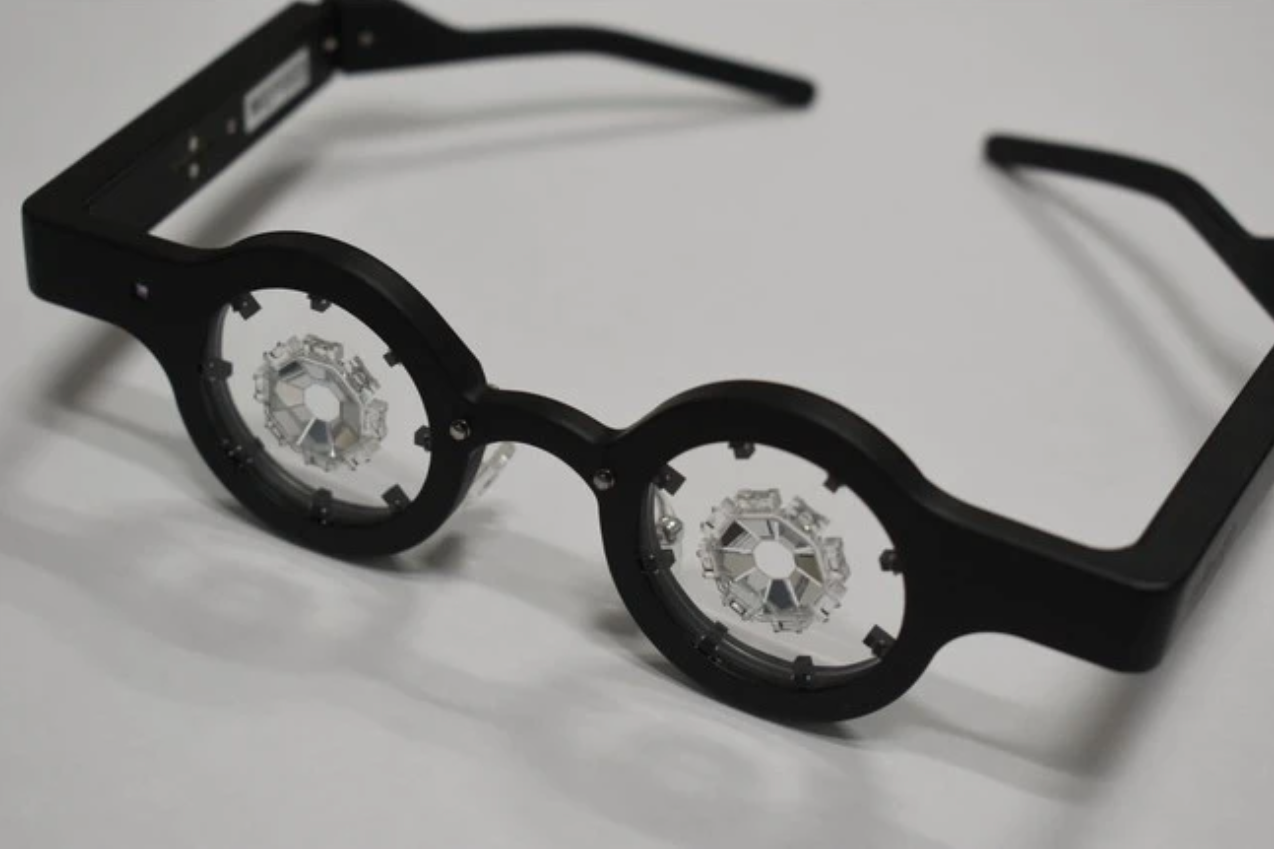
Kubota Pharmaceutical will sell specially designed glasses dubbed Kubota Glass, which it claims are able to reverse the effects of myopia.
The glasses shine tiny lights at the retina to simulate short-distance blurring, forcing the user to look further ahead and in doing so taking the pressure of the axial deformation of eyeballs.
Long-term testing is still required to gauge how effective Kubota Glass is at this in detail, but studies so far suggest that they are at least effective at curbing the progression of myopia.
Kubota Glass has been approved as a medical device in Taiwan and the USA.
Kubota Pharmaceutical charges 770,000 yen for a pair of Kubota Glass while offering a 100-percent satisfaction guarantee.
According to 2009 research conducted by Japan's Ministry of Education, Culture, Sports, Science, and Technology, around 25% of first-graders had less than perfect eyesight, with the percentage rising to 50% among sixth-graders.







