


 Abbas Reaffirms November 28 Palestinian Elections
  South Korea, US Discuss Warship Building Cooperation
  EU Defence Build-Up Too Slow for 2030 Russia Readiness Goal
  Trump, Xi Focus on Trade and AI at White House Summit
  Mahmoud Khalil Sues Columbia Over Alleged Pro-Palestinian Harassment
  North Korea Rejects Nuclear Test Warning, Calls Nuclear Status Irreversible
  OpenAI Rejects Apple Trade Secret Theft Claims
  Venezuela Nears Deal to Move $4 Billion in Gold to New York Fed
  Ecuador Court Convicts Ex-President Lenin Moreno in Bribery Case
  Netanyahu’s Brief US Trip Highlights Strains With Trump
  SEC Seeks ISS Client Voting Records in Proxy Adviser Probe
  US Senate Rejects Iran War Powers Resolution in 50-49 Vote
  Trump Asks Supreme Court to Restore Third-Country Deportations
  Sudan Rejects US Legitimacy Remarks, Defends Sovereignty
  Judge Blocks Trump Rule Limiting Foreign Student Visas
  Netanyahu Takes Aim at Mamdani as Israel Election Nears
  North Korea Warns South Korea Over US-Led Defense Role


 Add as a preferred source on Google
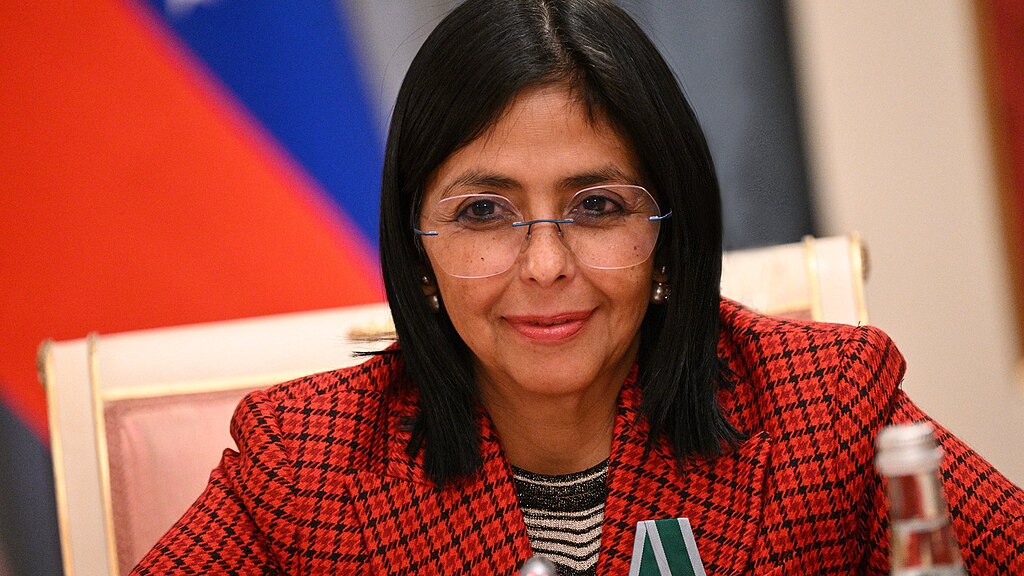
Venezuela entered a new period of political uncertainty after the Constitutional Chamber of the country’s Supreme Court ordered Vice President Delcy Rodríguez to assume the role of acting president following the detention of President Nicolás Maduro early Saturday morning. According to the court ruling, Rodríguez was instructed to take over presidential duties to ensure the continuity of government operations and the defense of national sovereignty during Maduro’s absence.
The decision was announced after U.S. forces reportedly carried out an operation that resulted in Maduro’s detention, a development that has intensified international attention on Venezuela’s ongoing political crisis. The Supreme Court stated that Rodríguez would temporarily hold “the office of President of the Bolivarian Republic of Venezuela” with the explicit aim of guaranteeing administrative continuity and maintaining the functioning of state institutions.
In its official ruling, the Constitutional Chamber emphasized the need to preserve stability within the government, citing concerns over governance, security, and sovereignty. The court also confirmed that it would convene further deliberations to determine the appropriate legal framework governing the president’s forced absence. These discussions are expected to address how the state, executive administration, and national defense should operate under the current circumstances.
Delcy Rodríguez, a long-time ally of Maduro and a central figure in the Venezuelan government, now faces the challenge of managing the country during a period marked by economic hardship, political divisions, and strained relations with the United States and other Western nations. Her appointment as acting president signals an attempt by the Supreme Court to project institutional continuity amid sudden leadership disruption.
The ruling has sparked debate among legal experts and political analysts, with some questioning the constitutional implications of the court’s decision and others focusing on the broader geopolitical consequences. As the Supreme Court prepares to further review the situation, both domestic and international observers are closely monitoring developments to assess how Venezuela’s leadership transition may reshape the country’s political landscape.
This latest move underscores the fragile balance of power in Venezuela and highlights the Supreme Court’s influential role in navigating the nation through one of its most critical moments in recent history.







