


 Peru Election Dispute Deepens as Roberto Sanchez Rejects Runoff Results
  Crimea Power Outage After Ukrainian Drone Attack, Russian Authorities Say
  Rubio Faces Gulf Skepticism Over U.S.-Iran Peace Deal
  U.S. Reviewing Potential F-35 Fighter Jet Sale to Turkey Amid S-400 Dispute
  Trump Threatens ABC News Lawsuit Over Lincoln Memorial Reflecting Pool Coverage
  US Sanctions Cuban President Miguel Diaz-Canel and Key Officials Amid Rising Tensions
  US Seeks Gulf Support for Iran Peace Deal Amid Regional Tensions
  Los Angeles World Cup Security Plans: No ICE Immigration Enforcement at FIFA 2026 Matches, Officials Say
  US Expands Iran Sanctions, Targets Major Crypto Exchanges and Individuals
  US Appeals Court Allows Trump Military Enlistment Ban on Transgender Recruits, Protects Current Service Members
  US Delivers $13M Autonomous Maritime Drones to Philippines
  Meta Challenges Australia’s Proposed Tech Tax, Citing U.S. Trade Agreement Concerns
  DOJ Opens Investigation Into NYC Coffee Shop Over Anti-Goldman Social Media Post
  NHTSA Investigates Fatal Tesla Model 3 Crash in Texas Amid Ongoing Autopilot and FSD Safety Scrutiny
  Bolivia Declares State of Emergency as Roadblock Crisis Deepens
  Marco Rubio Reassures Gulf Allies Over U.S.-Iran Peace Deal


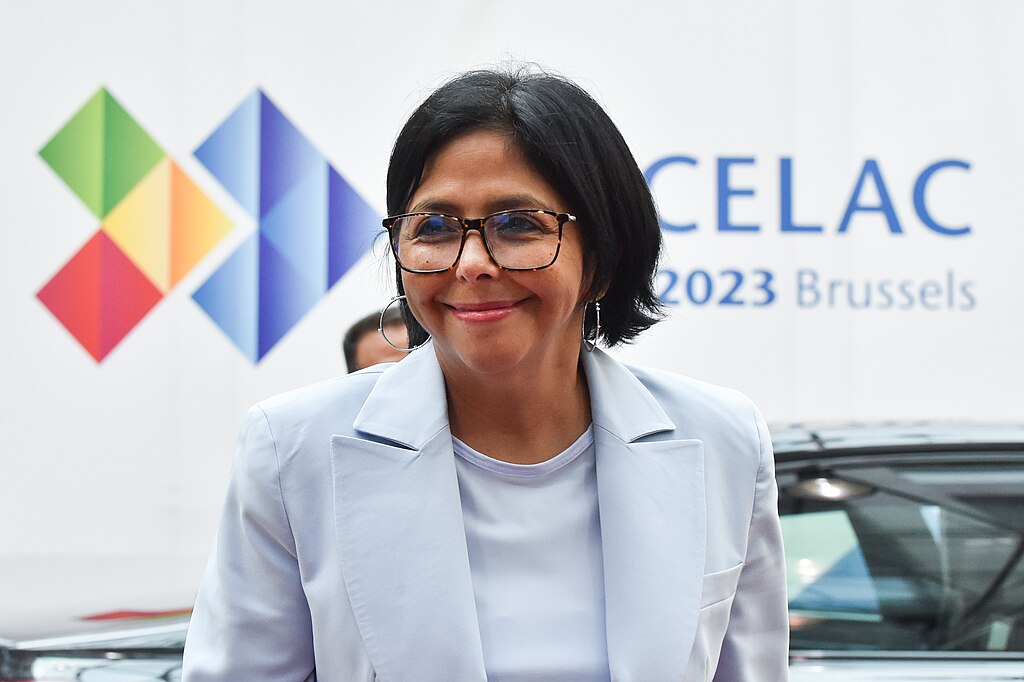
Venezuela’s ruling party-controlled legislature has approved a limited amnesty bill that human rights organizations say does not go far enough to free hundreds of political prisoners. The vote comes as family members of detainees stage a hunger strike in Caracas, highlighting ongoing tensions over political repression in Venezuela.
Interim President Delcy Rodríguez, who assumed power last month following the U.S.-backed ouster of President Nicolás Maduro, has moved to ease tensions with Washington. Her administration has agreed to new oil sale conditions and released hundreds of detainees classified by advocacy groups as political prisoners. However, the Venezuelan government continues to deny holding political prisoners, insisting those jailed committed criminal offenses.
The newly approved amnesty law covers individuals involved in political protests and violent actions linked to events in 2002 and selected protests, elections, and demonstrations between 2004 and 2025. However, it excludes those convicted of military rebellion tied to 2019 events. The law does not clearly define all eligible crimes, though earlier drafts referenced charges such as rebellion, treason, resistance to authorities, and instigation of illegal activity.
Critics argue the legislation lacks key provisions. It does not restore seized assets, lift political bans from public office, or reverse sanctions imposed on media outlets. While Venezuelans living abroad can apply for amnesty through legal representatives, they must return in person to receive it and must have ceased the actions considered criminal. International arrest warrants will be lifted only after amnesty is granted.
The law excludes individuals convicted of human rights violations, corruption, drug trafficking, murder, war crimes, or armed actions involving foreign entities. Authorities frequently accuse opposition figures of collaborating with foreign governments, allegations the opposition denies.
The government reports nearly 900 prisoner releases over the past year, while Foro Penal counts approximately 450 political prisoner releases since January 8. Advocacy groups continue to call for broader reforms, stating that true freedom will only come when Venezuela’s system of political repression is dismantled.







