


 Tokyo Electric Power Attracts Major Investors Amid Billion-Dollar Restructuring Push
  Meta Is Building an AI Version of Mark Zuckerberg to Interact With Employees
  Volkswagen Q1 2026 Sales Decline Amid China and U.S. Market Pressures
  Bank of America Identifies Top Asia-Pacific Semiconductor Stocks Poised for AI-Driven Growth
  TSMC Posts Record Q1 2026 Profits Driven by Surging AI Chip Demand
  MATCH Act: How New U.S. Chip Legislation Could Freeze China's Semiconductor Ambitions
  Jefferies Upgrades Starbucks to Hold as China JV Deal Closes and U.S. Business Shows Signs of Recovery
  Pilots Fear Retaliation for Refusing Middle East Flights Amid Ongoing Conflict
  SanDisk Joins Nasdaq-100, Replacing Atlassian on April 20
  NIO ES9 SUV Launch Sends HK Shares Down 7% Despite Bold Pricing Strategy
  Chinese Brands Are Taking Over Brazil — And It's Just Getting Started
  Goldman Sachs, ANZ Cut Oil Forecasts Amid U.S.-Iran Ceasefire Hopes
  Anthropic Discusses Frontier AI Model Mythos With Trump Administration Despite Pentagon Ban
  Kia Cuts EV Sales Target for 2030 Amid Slowing Demand and U.S. Policy Shifts
  Qantas Raises Fuel Cost Forecast Amid Middle East Oil Crisis
  OpenAI Addresses Security Vulnerability in macOS App Certification Process


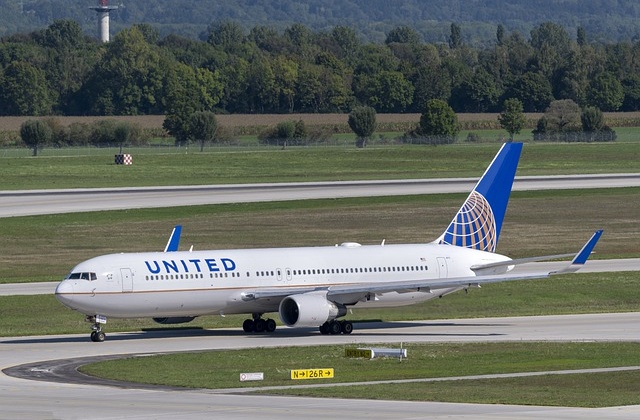
United Airlines CEO Scott Kirby has reportedly floated the idea of merging with American Airlines, according to Bloomberg, citing individuals familiar with the matter. Kirby allegedly pitched the concept to senior government officials, though it remains uncertain whether any formal deal process has been initiated. Reuters independently confirmed similar developments surrounding the potential combination.
Currently ranked as the second and fourth-largest U.S. airlines by market capitalization respectively, a United-American merger would create the largest domestic carrier in the country, surpassing industry leader Delta Airlines. Both airlines already operate massive fleets exceeding 1,000 aircraft each, making any consolidation a monumental shift in the aviation landscape.
Market reaction was swift following the Bloomberg report, with American Airlines shares surging approximately 4.5% in after-hours trading, while United Airlines stock climbed around 1.1%, reflecting investor optimism about the potential deal's value creation.
Despite operating under the generally business-friendly Trump administration, analysts and industry observers widely expect a merger of this scale to attract intense regulatory scrutiny due to its significant implications for airline competition across the United States. Antitrust regulators would likely examine how combining two of America's largest carriers could impact ticket pricing, route availability, and overall consumer choice.
The U.S. domestic airline industry is already heavily consolidated, dominated by just four major carriers — American, Delta, United, and Southwest Airlines. A United-American tie-up would further reduce competition within this group, potentially raising concerns among consumer advocacy groups and lawmakers focused on protecting air travel affordability.
While the proposal remains in its early exploratory stages with no confirmed negotiation process underway, the sheer scale and strategic implications of the potential merger have already captured the attention of Wall Street, Washington, and the broader aviation industry alike.







