


 Trump Calls for Five-Year George Washington Smithsonian Exhibit
  Trump Says No Regrets Over Iran War Despite Midterm Risks
  Gulf Ministers to Meet Iran in Oman Over Hormuz Shipping Deal
  Israel Destroys Hezbollah Underground Network in Southern Lebanon
  Taiwan Flags Russian Film Screening as China-Japan Influence Push
  Ukraine Prepares for October Peace Talks With Russia and US
  Saudi Arabia Shuts East-West Oil Pipeline After Drone Attack
  Russian Strikes Across Ukraine Kill Nine, Injure Dozens
  Sweden Election Puts Far Right and Centre Left in Tight Race
  Trump’s Iran War Draws ‘Forever War’ Comparisons
  CIA Chief Ratcliffe May Take Bigger Role in Ukraine Peace Talks
  Kim Jong Un Praises North Korean Troops Fighting Overseas
  BRICS Calls for Restraint as Middle East War Escalates
  Russian Drone Strike on Sumy Shopping Centre Kills Two
  Trump Open to Chinese Automakers Building Cars in US
  Trump Says He Has No Regrets Over Iran War


 Add as a preferred source on Google
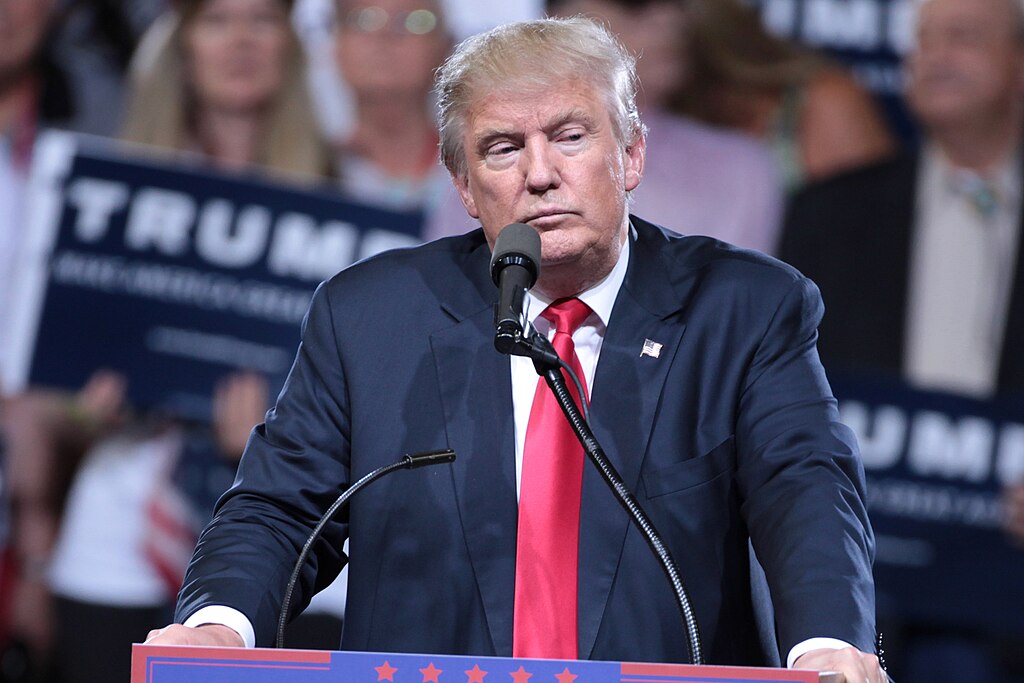
As the 2024 presidential election nears, recent polls reveal a highly competitive race between former President Donald Trump and Vice President Kamala Harris. According to a Rasmussen Reports survey conducted from September 12 to 18, Trump currently holds a slight lead over Harris, garnering 49% of the vote compared to Harris’ 47%. Notably, 2% of voters indicated they would back another candidate, while 3% remain undecided, highlighting the pivotal role that swing voters may play in determining the outcome of this closely fought race.
The narrow gap between Trump and Harris underscores the continued polarization in the electorate. Trump’s appeal remains strong among key voter blocs, particularly male voters, veterans, and those without a college degree. These groups were instrumental in his 2016 and 2020 campaigns, and their support remains crucial to his chances of reclaiming the White House in 2024. Harris, meanwhile, continues to lead among women, younger voters, and college-educated individuals, reflecting a familiar demographic divide that has characterized recent U.S. elections.
Further complicating the landscape is the significant support Harris retains among Black, Hispanic, and Asian voters, key constituencies for the Democratic Party. Polls, such as a recent Pew Research survey, show that Harris holds substantial backing within these communities. The vice president’s candidacy is particularly resonant among Black voters, who overwhelmingly supported Joe Biden in 2020. Harris’ ability to maintain and expand that support will be crucial to her path to victory, particularly in swing states with large minority populations.
The tight polling results emphasize the importance of swing states in the 2024 election. States like Pennsylvania, Michigan, and Wisconsin, which played a decisive role in the 2016 and 2020 elections, are once again expected to be battlegrounds that could tilt the outcome. With the race so close, even minor shifts in voter turnout or preferences in these key states could determine whether Trump returns to the Oval Office or Harris ascends as the first female president.
Undecided voters, who account for 3% of those surveyed in the Rasmussen poll, are another critical factor in this election. Both campaigns will be working hard in the coming months to court these voters, knowing that their decisions could tip the scales in such a tightly contested race. With high levels of polarization and voter engagement, those who remain undecided may prove to be the deciding factor in what promises to be one of the most competitive elections in recent history.
As the 2024 election draws closer, both Trump and Harris will need to focus on energizing their respective bases while also reaching out to undecided voters and moderates in key swing states. The narrow polling margins suggest that every vote will count, and the final outcome remains highly uncertain.
EconoTimes cannot independently verify the polling data or specific voter demographics mentioned in this report. Polling results are based on publicly available surveys, including those from Rasmussen Reports and Pew Research, and are subject to change as the election approaches.







