


 Kim Jong Un Praises North Korean Troops Fighting Overseas
  BRICS Calls for Restraint as Middle East War Escalates
  Trump Calls for Five-Year George Washington Smithsonian Exhibit
  Israel Destroys Hezbollah Underground Network in Southern Lebanon
  CIA Chief Ratcliffe May Take Bigger Role in Ukraine Peace Talks
  US Caribbean Vessel Strike Kills Three
  South Korea Says $350 Billion US Investment Talks Progressing
  Trump Expects Iran War to End After U.S. Midterms
  Taiwan Flags Russian Film Screening as China-Japan Influence Push
  Russian Strikes Across Ukraine Kill Nine, Injure Dozens
  Ukraine Prepares for October Peace Talks With Russia and US
  Trump Open to Chinese Automakers Building Cars in US
  Lula Holds Narrow Lead Over Flavio Bolsonaro in Brazil Election Poll
  Russian Strikes Hit Kyiv as Ukraine Targets Russian Cities
  Trump Backs United Ireland During Dublin Visit
  Volkswagen Job Cuts Put Lower Saxony Leader Under Political Pressure
  Saudi Arabia Shuts East-West Oil Pipeline After Drone Attack


 Add as a preferred source on Google
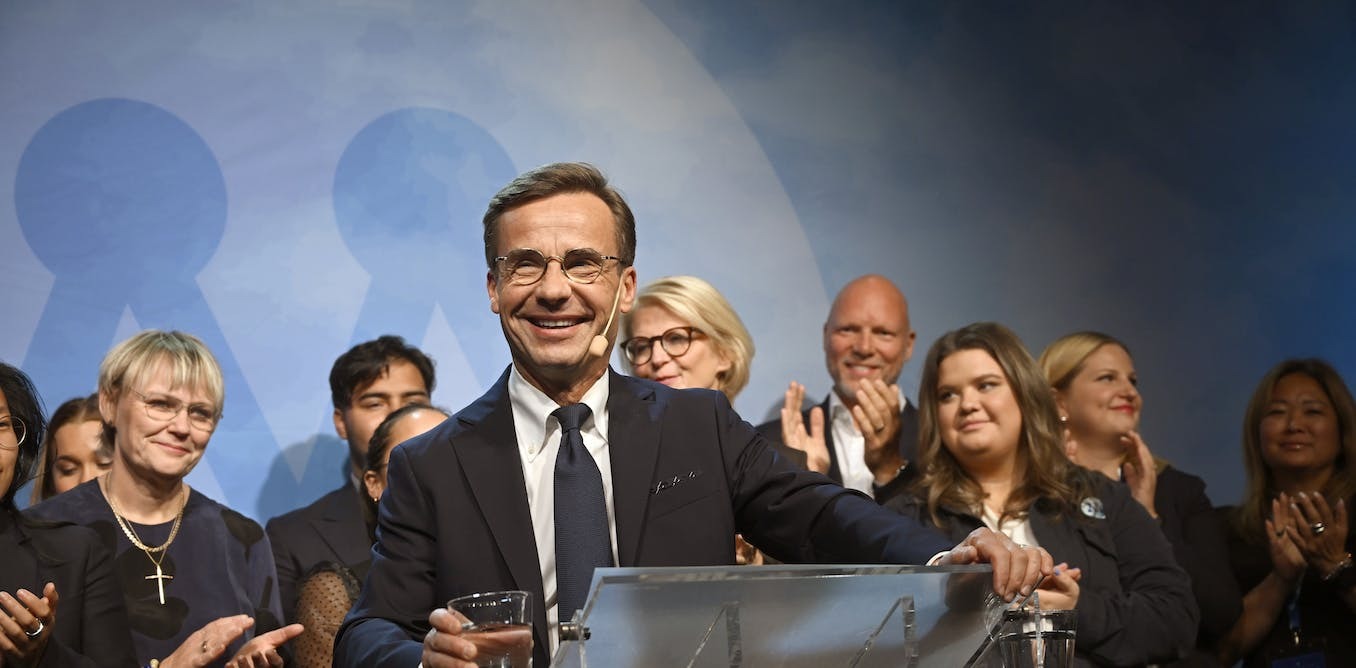
Swedish voters head to the polls on Sunday in a closely contested parliamentary election that could either bring the far-right Sweden Democrats into government for the first time or return the country to centre-left leadership.
Opinion polls ahead of the September 13 Sweden election show the centre-left opposition holding a narrow advantage over Prime Minister Ulf Kristersson’s right-wing bloc. However, Kristersson has gained ground during the final weeks of campaigning as support for Magdalena Andersson’s Social Democrats has weakened.
Kristersson’s supporters argue that his government has reduced gang violence and sharply lowered immigration. The prime minister has pledged to include the Sweden Democrats in a four-party government alongside the Moderates, Christian Democrats and Liberals if the right wins.
“We can unify parties, voters and issues into joint action. That’s why we get things done,” Kristersson said this week.
Andersson has criticized the government’s policies, arguing that Sweden has become a “harder” and “poorer” society while households struggle with weaker purchasing power and below-potential economic growth.
A strong Sweden Democrats result would reinforce a broader European trend of growing support for far-right parties, following recent gains by Germany’s anti-immigration Alternative for Germany.
The Liberals could prove decisive. The party must secure at least 4% of the vote to enter parliament, making its performance crucial to the right-wing bloc’s chances of retaining power.
Andersson faces her own challenges in forming a government. The Social Democrats, Greens, Left Party and Centre Party broadly support increased welfare and public spending but remain divided over immigration, billionaire taxation and new nuclear power projects.
The Centre Party also refuses to back a government containing the Left Party, complicating coalition negotiations.
Despite their differences, Sweden’s main political blocs largely agree on continued support for Ukraine, strengthening the military and providing relief to households facing cost-of-living pressures.
Polling stations open at 8 a.m. local time and close at 6 p.m., with exit polls expected shortly afterward.







