


 Kim Jong Un Praises North Korean Troops Fighting Overseas
  Iran Attacks 10 Ships as Hormuz Conflict Escalates
  U.S. Accuses Chinese AI Firms of Extracting Model Capabilities
  China Buys 1 Million Tons of U.S. Soybeans Ahead of Xi Visit
  Trump Advisers Warn Iran War Could Last Until 2029
  Iran Strikes U.S.-Used Jordan Base as Gulf War Escalates
  US Forces Destroy Five Iranian Oil Tankers After Missile Attacks
  Chris Hipkins Targets Cost-of-Living Relief in New Zealand Election
  Trump Expects Iran War to End After U.S. Midterms
  Russian Drone Strike on Sumy Shopping Centre Kills Two
  Trump’s ‘New America’ Proposal Draws Backlash in New Mexico
  Xi, Putin Reaffirm Ties With North Korea on Founding Anniversary
  US Judge Dismisses Imran Ahmed Deportation Lawsuit
  Trump Hails AfD Election Win, Blames Germany Immigration Rules
  Trump Administration Removes Confederate Memorial Criticism From Arlington Website


 Add as a preferred source on Google
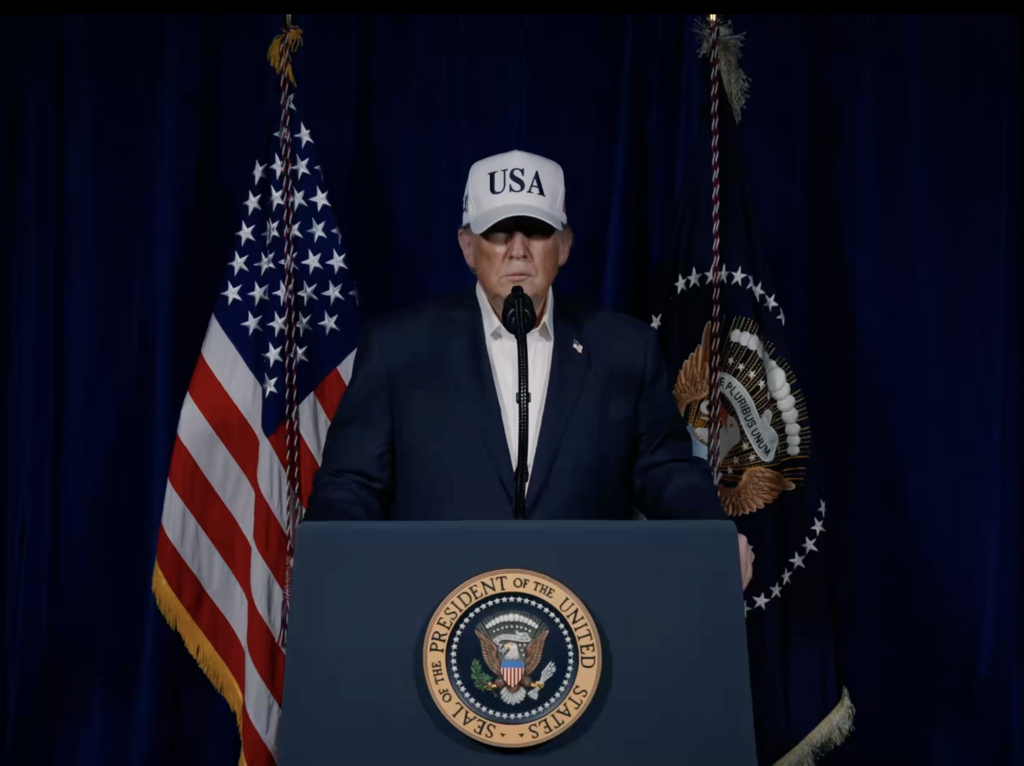
President Donald Trump returned to the White House promising to be a “president of peace,” but six months of U.S.-Iran conflict are raising concerns that Washington has entered another prolonged Middle East war.
As the 25th anniversary of the September 11 attacks approaches, foreign policy analysts are comparing the Iran war with the lengthy U.S. campaigns in Afghanistan and Iraq. Critics argue that, despite major differences in military strategy, Washington once again lacks a clear path toward ending hostilities.
Unlike the post-9/11 wars, the United States has not deployed large ground forces or attempted to occupy Iranian territory. Instead, Trump has relied primarily on air and naval operations, sanctions and a maritime blockade. Those measures have damaged Iran’s military capabilities and economy but have neither defeated Tehran nor triggered the political upheaval Trump initially encouraged.
Sina Toossi of the Center for International Policy warned that Trump had broken Washington’s post-Iraq reluctance to launch another major, potentially open-ended Middle East conflict, creating the possibility that a future administration could inherit an entrenched U.S.-Iran confrontation.
The economic impact is also becoming increasingly visible. Iranian disruption of shipping through the Strait of Hormuz has pushed energy and U.S. gasoline prices higher, while the conflict has hurt Trump’s approval ratings ahead of November’s midterm elections.
Analysts say Washington may have underestimated Iran’s resilience, much as previous U.S. administrations misjudged insurgencies in Iraq and Afghanistan. Trump launched “Operation Epic Fury” with Israel on February 28, arguing that Iran’s nuclear program posed a serious threat, though critics disputed claims of an imminent danger.
The conflict has also exposed Washington’s limited international backing. European and Asian governments have largely resisted Trump’s requests for greater assistance, while Gulf countries have sought de-escalation after facing Iranian retaliation.
Supporters reject comparisons with America’s previous “forever wars.” Foundation for Defense of Democracies chief Mark Dubowitz argues the U.S. is responding to decades of Iranian hostility and that Trump’s campaign will ultimately succeed.
For now, however, the continuing military stalemate, rising economic costs and absence of an obvious exit strategy are keeping concerns about another prolonged U.S. Middle East war firmly alive.







