


 Chinese Universities with PLA Ties Found Purchasing Restricted U.S. AI Chips Through Super Micro Servers
  Apple Turns 50: From Garage Startup to AI Crossroads
  OpenAI Executive Shake-Up Ahead of Anticipated 2026 IPO
  NASA's Artemis II Mission: First Crewed Lunar Journey Since Apollo
  Federal Judge Blocks Pentagon's Blacklisting of AI Company Anthropic
  Meta Ties Executive Pay to Aggressive Stock Price Targets in Major Retention Push
  SpaceX IPO Filing Expected This Week as Valuation Could Surpass $75 Billion
  Australia's Social Media Ban for Under-16s Sparks Global Movement
  Microsoft Eyes $7B Texas Energy Deal to Power AI Data Centers
  California's AI Executive Order Pushes Responsible Tech Use in State Contracts
  Rubio Directs U.S. Diplomats to Use X and Military Psyops to Counter Foreign Propaganda
  Annie Altman Amends Sexual Abuse Lawsuit Against OpenAI CEO Sam Altman
  Nanya Technology Shares Surge 10% After $2.5 Billion Private Placement from Sandisk and Cisco
  SK Hynix Eyes Up to $14 Billion U.S. IPO to Fund AI Chip Expansion
  NASA Artemis II: First Crewed Moon Mission Since Apollo Takes Four Astronauts on 10-Day Lunar Journey


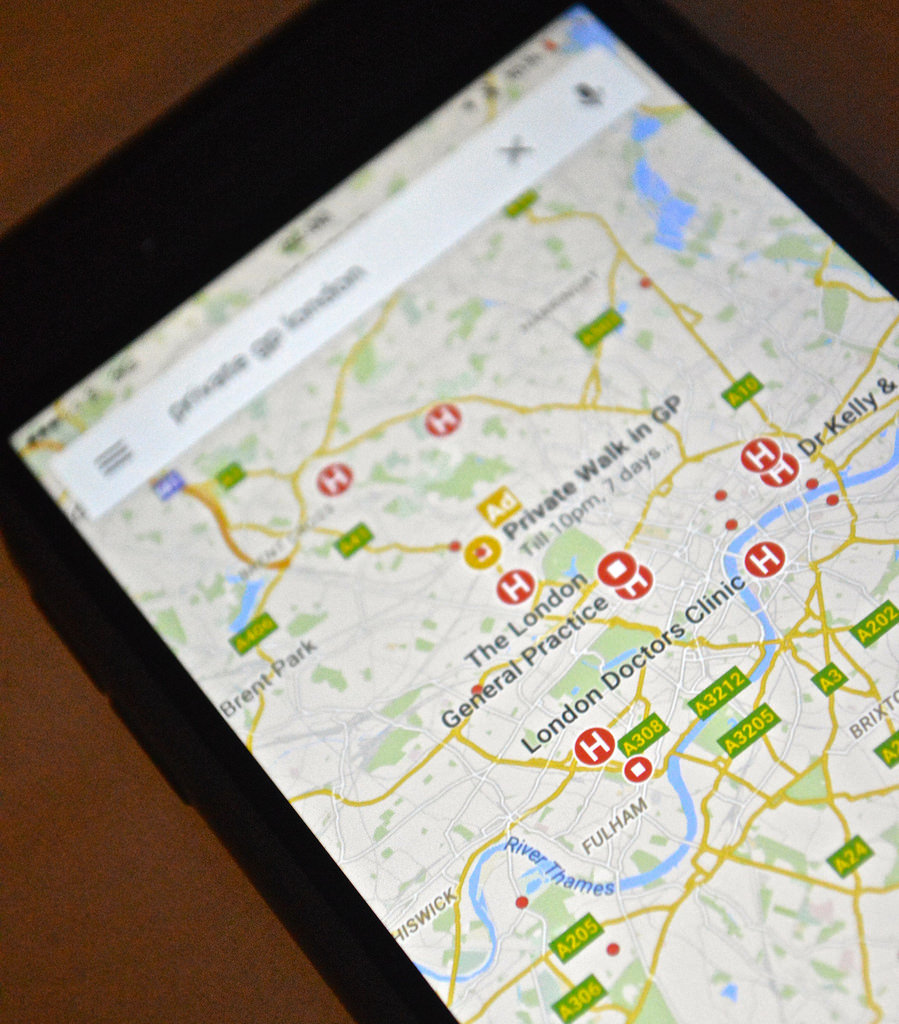
Uber is reportedly planning to spend as much as $500 million on creating its own Maps technology. Right now, the ride-hailing service is using “Google Maps,” which allows Uber drivers to find passengers. However, the future is looking rocky for the two companies as their involvement in the self-driving industry practically puts them on a collision course down the road.
As PC Mag points out, using “Google Maps” has not likely placed a huge strain on Uber’s finances. It could technically keep using the service, but this could potentially place Uber at the mercy of Google, which could then use the cab hailing company’s dependence on their mapping technology as leverage. Uber just can’t have that, which explains the substantial investment in mapping.
According to a blog post by the company, its mapping technology won’t likely focus on details that are of no consequence to its services, such as oceanographic information.
“There are other things we need to know a lot more about, like traffic patterns, and precise pickup and drop-off locations,” the post read. “Moreover, we need to be able to provide a seamless experience in parts of the world where there aren't detailed maps—or street signs."
With the importance of a reliable mapping service to Uber’s success, it was only natural that the cab hailing company would want to make sure that it would want to include every single pertinent detail pertaining to its business. The company’s ambition of mapping the world has already started as well, with mapping cars already on the road.
In terms of what exactly the $500 million will be used for, Uber has not disclosed the details of the particulars. However, the cab hailing brand will likely get new partners like what it did with “DigitalGlobe” for more accurate satellite imagery, and the half a billion in investment shows how serious Uber is in achieving its goals.







