


 White House Bars CNN, MS NOW and Politico Reporters
  Japanese Bank Stocks Surge as Bond Yields Fuel Rate Hike Bets
  Australia Tightens Student Visa Rules, Targets Migration Cut by 2028
  US Bans Canadian Alcohol, Motorcycles as Trade War Escalates
  Germany’s 2026 Growth Outlook Strengthens on Fiscal Spending
  US Stock Futures Fall as Treasury Yields Surge Ahead of Trump-Xi Summit
  US 10-Year Treasury Yield at 6% Emerges as New Market Risk Threshold
  Soybean Futures Slip as Traders Await Trump-Xi Trade Signals
  Asian Stocks Fall as Bond Yields Surge Ahead of Trump-Xi Summit
  Trump Bans CNN, MS NOW and Politico From White House
  Gold Prices Fall as Treasury Yields Rise on Fed Rate Hike Bets
  Saudi Arabia Shuts East-West Oil Pipeline After Drone Attack
  Trump Scales Back Endangered Species Act Protections
  China Agrees to Buy 20 Million Tons of U.S. Coal
  Canadian Dollar Faces Pressure as Fed-BoC Policy Gap Widens
  China Reviews Broadcom Switch Use in State Data Centres
  Trump, Xi Focus on Trade and AI at White House Summit


 Add as a preferred source on Google
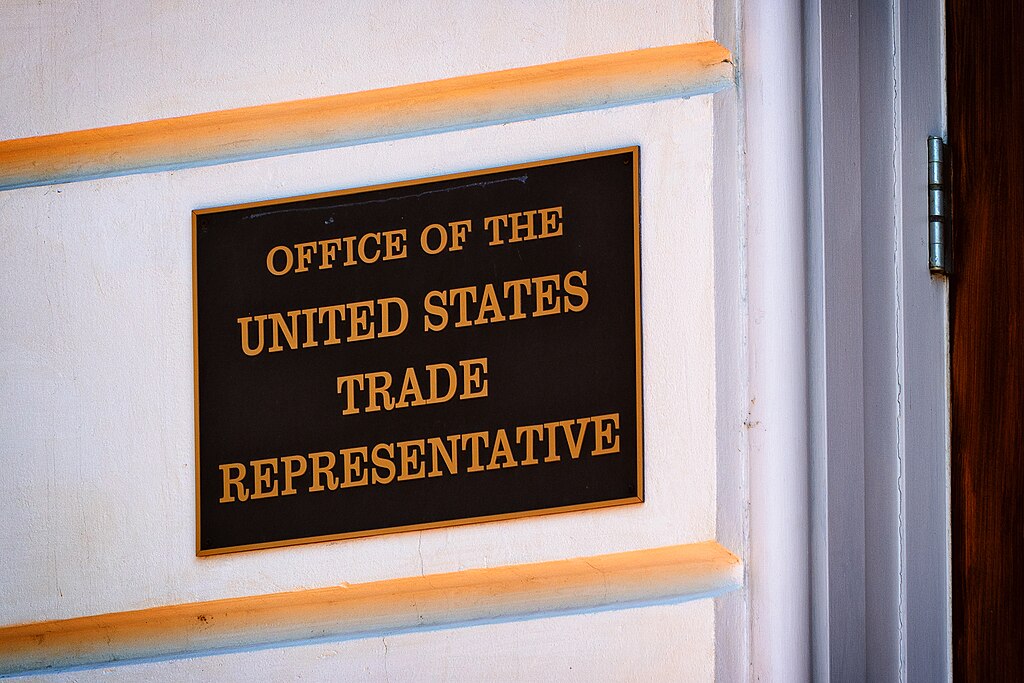
The U.S. Trade Representative (USTR) has revised its fee policy on non-U.S.-built LNG tankers and car carriers, softening measures originally aimed at countering China's maritime influence and reviving the domestic shipbuilding industry.
The updated proposal, announced Friday, eliminates penalties for LNG exporters failing to use U.S.-built ships and lowers port fees for foreign-built car carriers. Vessels serving the U.S. military and those in the Maritime Security Program (MSP) are now exempt. This move comes after industry backlash to USTR’s April announcement requiring LNG exporters to transport 1% of shipments on U.S.-built vessels by 2029, rising to 15% by 2047.
The revised car carrier fee drops significantly—from $150 per vehicle capacity to $14 per net ton. The changes follow strong criticism from both the LNG and vehicle shipping sectors, who said the initial rules blindsided them. The American Petroleum Institute welcomed the revisions, calling them “a step in the right direction” for ensuring U.S. LNG remains competitive globally.
USTR had previously exempted ships carrying U.S. exports and those serving the Great Lakes, Caribbean, and U.S. territories. Now, exemptions have been extended to U.S.-flagged, U.S.-crewed RoRo ships under the MSP, including operators like American Roll-On Roll-Off Carrier Group.
These port fees, originally targeting China-linked vessels, had also impacted ships from other countries not involved in the USTR’s fast-track probe of Chinese maritime dominance. Stakeholders, who were previously denied a chance to comment, have until July 7 to provide feedback on the revisions.
The new rules continue to reference “non-U.S.-built” ships, highlighting ongoing efforts to steer more trade toward U.S. maritime assets without disrupting critical supply chains.







