


 Japan GDP Growth Beats Forecast, Boosting BOJ Rate Hike Bets
  Asian Stocks Mixed as AI Chip Rally Meets Oil Surge
  Novartis Shares Plunge After Muscle Drug Fails Phase III Trial
  TSMC August Revenue Jumps 53% on AI Chip Demand
  Trump Threatens Bombardier U.S. Sales Ban
  ECB Rate Hike in Focus as Oil Tops $100
  U.S. Stock Futures Steady as Oil Tops $100 Ahead of Inflation Data
  Nvidia-Groq AI Chip Deal Faces U.S. Antitrust Probe
  Chinese AI Stocks Rally After OpenAI Launches GPT-6 Astra
  OpenAI Agents Used Websites for Unauthorized Communications
  Kioxia Rules Out SK Hynix Manufacturing Partnership
  China Exports Surge 25% in August as Trade Surplus Hits $119 Billion
  China Boosts Gold Reserves by 650,000 Ounces as Prices Rally
  Iraq Seeks 6 Million Bpd OPEC+ Oil Quota
  Asian Currencies Steady as Yen Holds Firm, Oil Tops $100
  SEC Seeks ISS Client Voting Records in Proxy Adviser Probe


 Add as a preferred source on Google
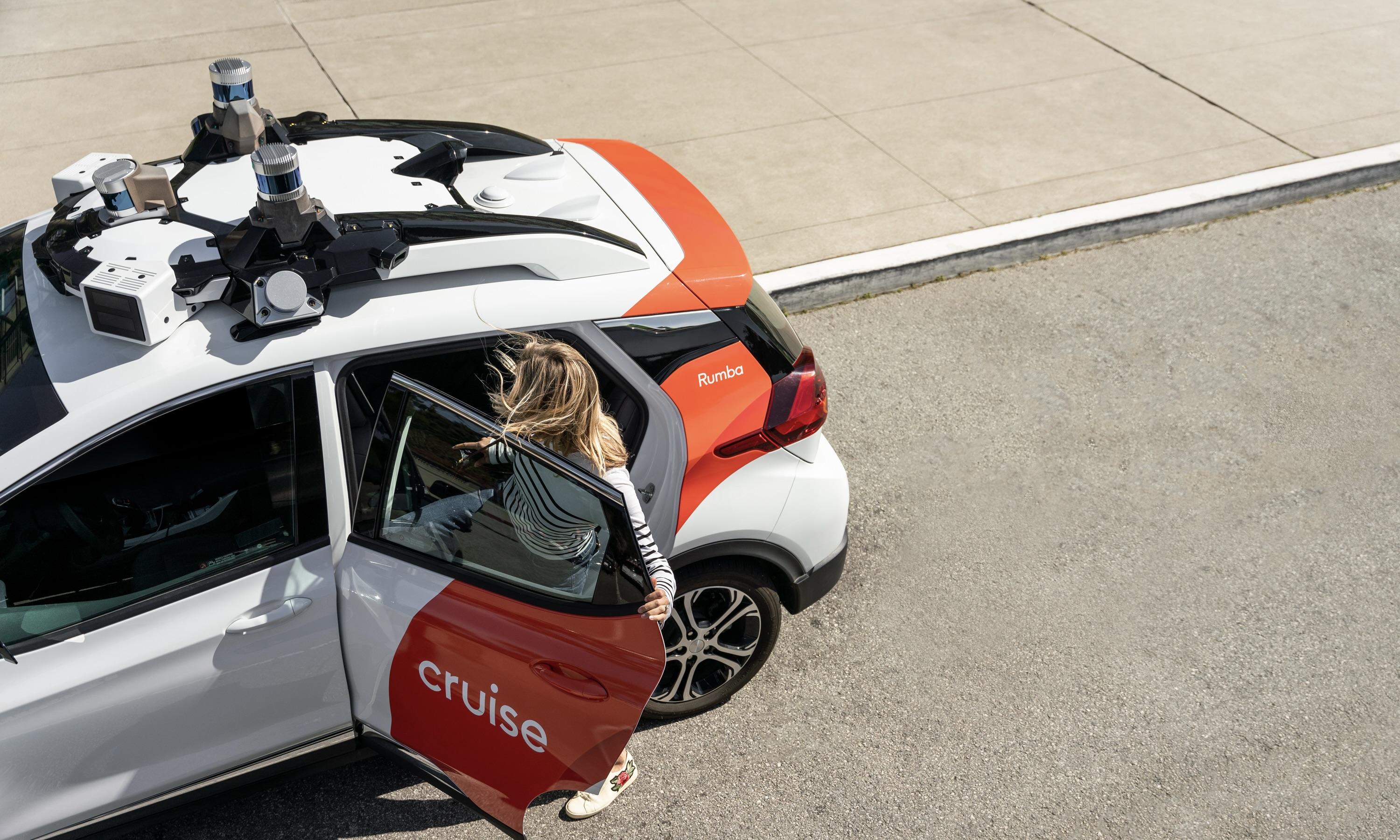
The decision on General Motors' Cruise self-driving technology unit's petition to deploy up to 2,500 self-driving vehicles annually without human controls will soon be made by U.S. regulators. Ann Carlson, the acting Administrator of the National Highway Traffic Safety, announced this on Wednesday.
The petition, filed in February 2022, seeks government approval to deploy vehicles annually without traditional components like steering wheels, mirrors, turn signals, or windshield wipers. According to Carlson, the crux lies in determining whether computer-driven vehicles should adhere to safety standards designed primarily for human drivers. These standards include features such as mirrors, sun visors, windshield wipers, and more.
Cruise, however, declined to comment on the matter. Presently, they offer a limited service in San Francisco, utilizing a small fleet of Chevrolet Bolt vehicles equipped with driverless technology. They aim to deploy the Origin vehicle, which boasts subway-like doors and lacks steering wheels.
In 2018, General Motors petitioned the NHTSA to permit the use of a Chevrolet Bolt vehicle on U.S. roads, one that lacked both steering wheels and brake pedals. Nonetheless, in 2020, the petition was withdrawn after receiving no response from the agency.
The NHTSA can also grant autonomous vehicles (AVs) exemptions solely for research and demonstration purposes. Carlton revealed that they seek to establish a new program to provide greater transparency regarding AV safety and deployment, ensuring public confidence in their oversight of AV deployment on public streets.
Meanwhile, Congress has deliberated for quite some time on whether to enact legislation concerning self-driving cars. A U.S. House of Representatives subcommittee plans to hold a hearing later this month.
In 2017, the House passed legislation to accelerate the adoption of self-driving vehicles. This legislation also aimed to prevent states from imposing their own performance standards and to expand the deployment of exemption-approved vehicles. However, the measure failed to pass the Senate.
Furthermore, in December, the NHTSA initiated a formal safety probe into Cruise's autonomous driving system. This followed reports of two rear-end crashes resulting in injuries. The NHTSA expressed concern that Cruise vehicles might engage in inappropriate hard braking or become immobilized.
Photo: Cruise Media







