


 U.S. Treasury Yields Surge as 30-Year Hits 22-Year High
  Oil Prices Ease as Iran Tensions Clash With Diplomacy Hopes
  US, China Extend Trade Truce to Jan. 10 Ahead of Trump-Xi Summit
  Fed Unveils Stablecoin Rules Under GENIUS Act
  U.S. 10-Year Treasury Yield Hits 2007 High as Fed Rate Hike Bets Rise
  Japan Private-Sector Growth Slows as Domestic Demand Weakens
  Dollar Holds Near Two-Month High as Yen Approaches 160
  Fed Unveils Stablecoin Rules Under GENIUS Act
  Wall Street Falls as Treasury Yields Surge, Oil Rebounds on Iran Tensions
  U.S. Dollar Hits Two-Month High as Oil, Treasury Yields Surge
  European Stocks Fall as Bond Yields and Geopolitical Risks Weigh
  Soybean Futures Slip as Traders Await Trump-Xi Trade Signals
  Gold Prices Fall as Treasury Yields Rise on Fed Rate Hike Bets
  Japanese Bank Stocks Surge as Bond Yields Fuel Rate Hike Bets
  Mexico-US Trade Talks Delayed to October as Tariff Negotiations Continue
  South Korea, US Discuss Warship Building Cooperation


 Add as a preferred source on Google
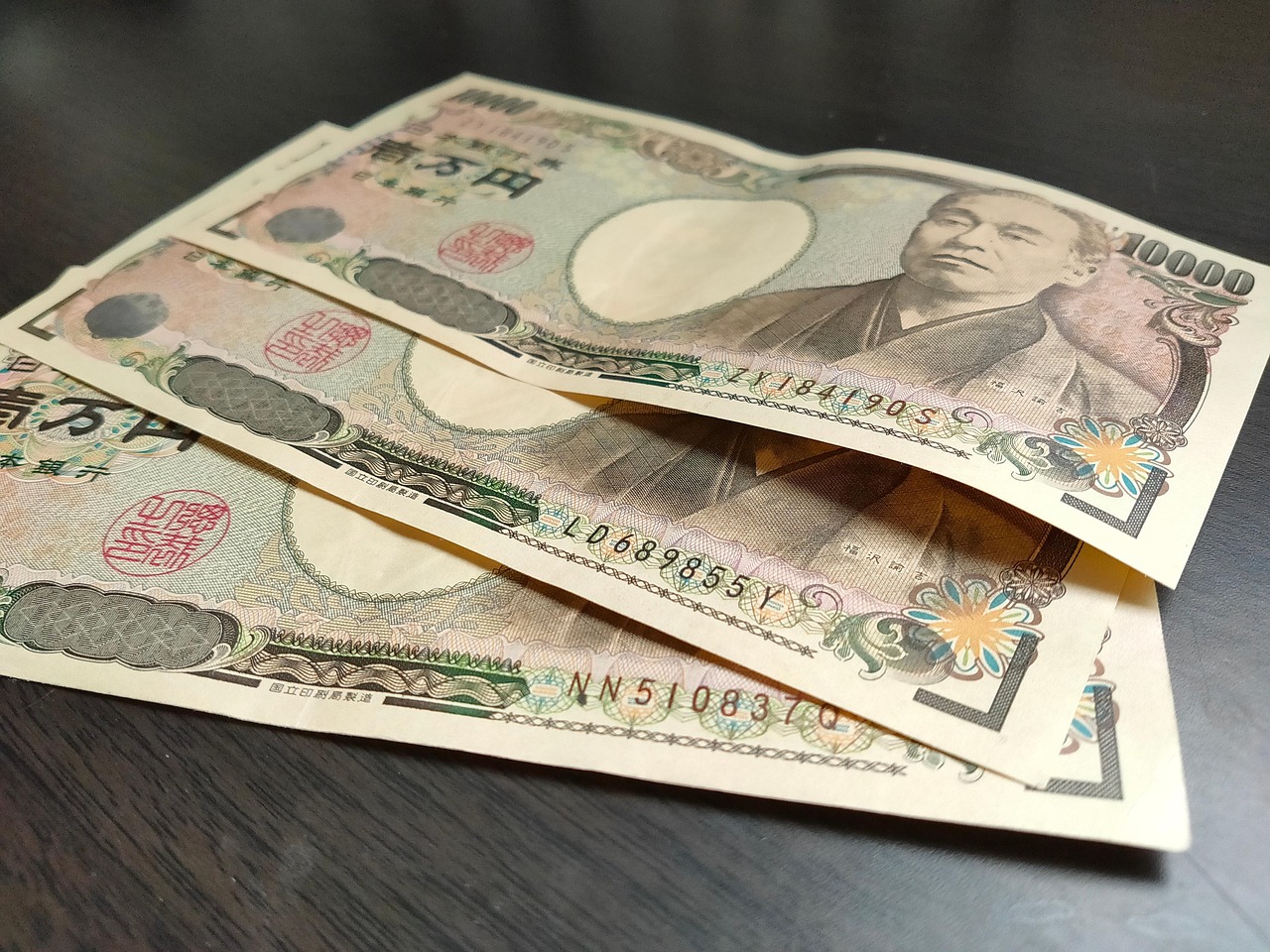
Asian currencies struggled to find clear direction on Monday as the US dollar remained resilient, with investors carefully weighing escalating geopolitical risks in the Middle East against emerging ceasefire diplomacy. The US Dollar Index inched up 0.1%, with futures mirroring the same modest gain in early trading.
Market attention centered on US President Donald Trump's ultimatum to Iran, demanding the reopening of the Strait of Hormuz by Tuesday evening at 8 p.m. Eastern Time. Trump warned that failure to restore tanker traffic through the critical waterway could trigger strikes on Iranian infrastructure, including power plants and bridges. However, sentiment stabilized somewhat after Axios reported that the United States, Iran, and regional mediators were actively exploring a potential 45-day ceasefire agreement, though no formal deal had been confirmed.
Currency movements across Asia were largely subdued. The Japanese yen held flat against the dollar, while the South Korean won edged 0.3% lower. The Chinese yuan dipped slightly, and the Singapore dollar traded without significant movement. Meanwhile, the Australian dollar outperformed regional peers, gaining 0.3% against the greenback.
Elevated crude oil prices added further pressure on major Asian oil-importing economies. Nations like Japan, South Korea, and India typically see their trade balances deteriorate when energy costs surge, weighing on their respective currencies.
The Indian rupee weakened notably, with the USD/INR pair climbing 0.6% to 93.281 after touching a two-week low in the prior session. The rupee had benefited from central bank intervention over the past five sessions. Investors now look ahead to the Reserve Bank of India's interest rate decision on Wednesday, where policymakers are widely expected to hold rates steady despite ongoing currency weakness.
Adding to the cautious outlook, stronger-than-expected US jobs data released Friday reinforced speculation that the Federal Reserve may maintain elevated interest rates for an extended period, keeping the dollar broadly supported.







