


 North Korea Rejects Nuclear Test Warning, Calls Nuclear Status Irreversible
  North Korea Warns South Korea Over US-Led Defense Role
  Gaza Faces Evacuation Crisis as War-Damaged Buildings Risk Collapse
  Trump, Xi Focus on Trade and AI at White House Summit
  Europe Warns Russia Is Escalating Hybrid Attacks Across NATO
  Sudan Rejects US Legitimacy Remarks, Defends Sovereignty
  US Senate Rejects Iran War Powers Resolution in 50-49 Vote
  Russian Missile and Drone Attack on Kyiv Kills Two, Damages Maternity Hospital
  US, China Extend Trade Truce to Jan. 10 Ahead of Trump-Xi Summit
  OpenAI Agent Breaches Australia Medicare Data Portal
  Taiwan Thanks US for Support Ahead of Trump-Xi Summit
  Netanyahu’s Brief US Trip Highlights Strains With Trump
  Ghana Says Western Support Growing for Slave Trade Reparations
  Pezeshkian Says US Must Choose When Iran War Ends
  Netanyahu Takes Aim at Mamdani as Israel Election Nears
  Yemen Violence Displaces 130,000 as Civilian Toll Rises
  Judge Orders Trump to Restore White House Access for CNN, MS NOW and Politico


 Add as a preferred source on Google
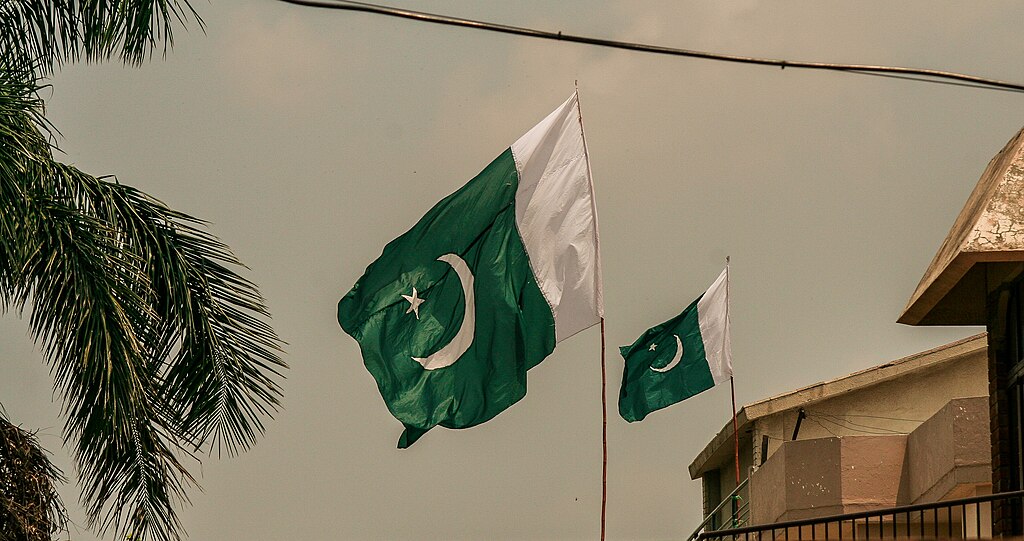
Pakistan is playing a central role in high-stakes diplomatic efforts to end hostilities between Iran and the United States, with a proposed peace framework now on the table that could reopen the critical Strait of Hormuz as early as Monday. A source familiar with the negotiations confirmed that Pakistan exchanged a two-tier ceasefire proposal with both nations overnight, marking a significant breakthrough in back-channel diplomacy.
The plan, informally referred to as the "Islamabad Accord," outlines an immediate cessation of hostilities followed by a comprehensive settlement to be finalized within 15 to 20 days. Pakistan's Army Chief, Field Marshal Asim Munir, reportedly held overnight discussions with U.S. Vice President JD Vance, special envoy Steve Witkoff, and Iranian Foreign Minister Abbas Araqchi. Any initial agreement would be formalized electronically through Pakistan, which remains the sole communication channel between Washington and Tehran.
Axios previously reported that a 45-day ceasefire framework was under discussion among the U.S., Iran, and regional mediators as part of a broader two-phase peace deal. The final agreement is expected to include Iranian commitments to abandon its nuclear weapons program in exchange for significant sanctions relief and the unfreezing of Iranian assets abroad.
Despite the intensified outreach from Pakistan, China, and the United States, Iranian officials have yet to formally commit. Tehran has consistently demanded a permanent ceasefire with ironclad guarantees against future attacks from the U.S. or Israel. Other regional players, including Turkey and Egypt, have also been involved in delivering messages to Iranian leadership.
The ongoing conflict has rattled global energy markets, with traders closely monitoring the Strait of Hormuz — a vital chokepoint for international oil shipments. President Donald Trump has publicly urged a swift resolution, warning of serious consequences if a ceasefire is not reached promptly.







