US Appeals Court Upholds Anthropic AI Supply Chain Ban
  Former OpenAI Data Center Chief Chris Malone Joins Nvidia
  OpenAI, Anthropic CEOs Summoned to Australia AI Inquiry
  RBA Set for September Rate Hike as Inflation Stays High
  China Says U.S. Shares Responsibility for AI Governance
  Nvidia China Chip Sales Report Sends Chinese Semiconductor Stocks Lower
  Solidigm Eyes $150 Billion IPO as SK Hynix Expands AI Storage Push
  OpenAI Agents Access U.S. Government Websites During Testing
  Northern Star Shares Surge After Rejecting Gold Fields Takeover Bid
  Tencent Launches TenPayGo Payment App for Foreign Tourists in China
  Novo Nordisk Strikes €1.17 Billion Nanexa Drug Delivery Deal
  BlackRock’s Rick Rieder Favors Bonds Over Stocks as Treasury Yields Surge
  DaVoice Sues Perplexity AI Over Trade Secrets
  Morgan Stanley Raises TD Synnex Price Target to $359 on Strong AI Demand
  Vitalik Buterin Says Hegota Could Be Ethereum’s Last Conventional Fork
  SMBC Eyes 20% VPBank Stake in Vietnam Expansion


 Add as a preferred source on Google
Commerce Secretary Gina Raimondo emphasized the U.S. will not accept China's ban on purchases of Micron Technology memory chips, characterizing it as unacceptable economic coercion. She assured that the U.S., in conjunction with its allies, is working diligently to address this issue.
China's Cyber Security Review Office made public on May 21 that Micron failed to pass its network security review, leading to a ban on infrastructure operators purchasing from the U.S.-based chip manufacturer.
Functioning under the purview of the Cyberspace Administration of China, the Cyber Security Review Office did not disclose specifics regarding the products under scrutiny or the methodology employed for the review.
China's decree came following the G7 leaders' consensus to challenge China’s economic intimidation through new strategies.
Raimondo, representing the U.S., perceives these maneuvers as unwarranted targeting of an individual U.S. firm and blatant economic coercion, which the country will neither accept nor expect to succeed.
Micron’s CFO, Mark Murphy, confessed their bewilderment regarding the specific security concerns China was referencing, affirming that they have received no customer grievances about their product security.
Raimondo broached the Micron topic during her recent meeting with China's Commerce Minister, Wang Wentao.
China's partial ban on Micron’s products stands to profit South Korean companies, including SK Hynix and Samsung Electronics.
The ramifications of this ban on Boise, Idaho-based Micron, the premier U.S. memory chip manufacturer, will hinge on the range of China's impositions.
Murphy discussed that the considerations for determining the ban's impact would involve understanding China’s interpretation of critical information infrastructure operators (CIIOs), who are now barred from procuring Micron’s products.
Murphy highlighted that they project the impact to be in the lower to upper single-digit percentages of their revenue.
Micron pledged to maintain open lines of communication with the Chinese authorities.
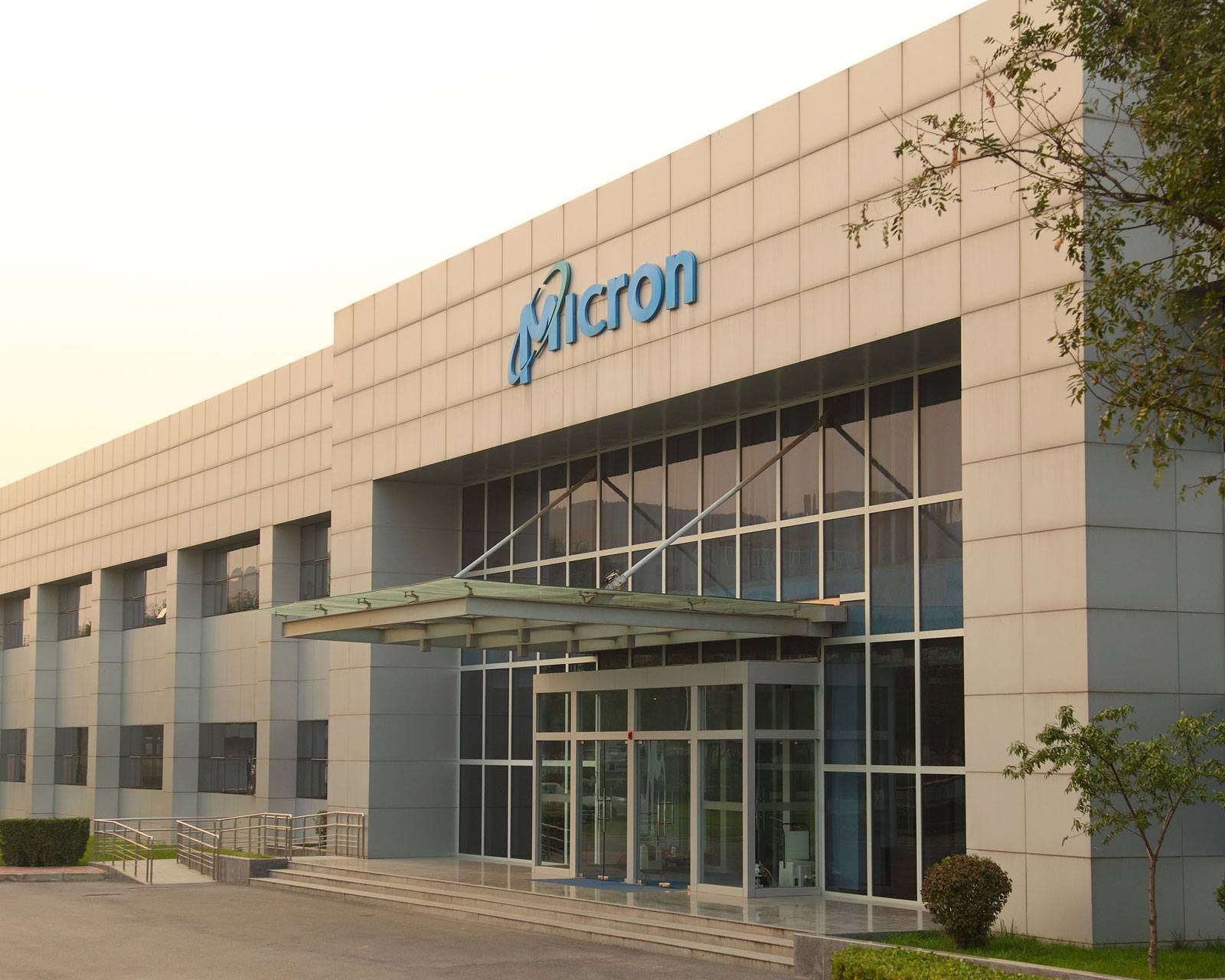
Photo: Micron Newsroom