


 Walmart Stock Falls Despite Strong Q1 Revenue Beat and E-Commerce Growth
  Anthropic Revenue Surge Signals Strong AI Market Momentum in 2026
  Japan Airlines Signs 10-Year Boeing 787 Maintenance Deal With GE Aerospace
  GameStop Raises eBay Stake to 6.6% as Ryan Cohen Pushes $56 Billion Takeover Bid
  Google Expands AI Partnership With Singapore Government
  Stellantis CEO Antonio Filosa to Reveal Turnaround Strategy Focused on U.S. Sales and China Partnerships
  Samsung Shares Surge After Strike Deal Eases Labor Tensions
  H.B. Fuller Eyes Advanced Medical Solutions in Potential £600M Takeover Deal
  Lam Research Expands AI-Powered Semiconductor Tools and Arizona Operations
  Takeda Hit With $885M Verdict Over Amitiza Generic Drug Delay Scheme
  PDG Explores $1 Billion Sale of China Data Center Assets
  NHS shakeup: if it sounds like we’ve been here before, it’s because we have
  SpaceX Delays Starship V3 Launch Ahead of Potential Record IPO
  OpenAI Expands Globally with First Overseas AI Lab in Singapore
  TrumpRx Expands Discount Drug Access With 600 Generic Medications
  Analog Devices Nears $1.5B Acquisition of AI Chip Firm Empower Semiconductor


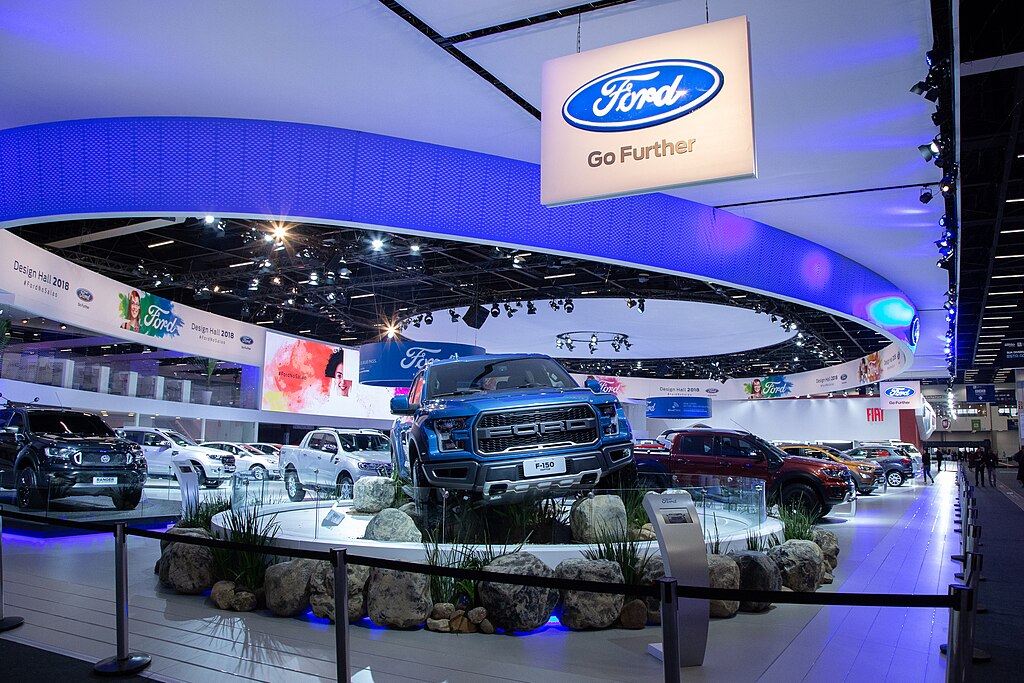
Ford Motor has announced a massive $19.5 billion charge tied to its electric vehicle investments, marking one of the clearest signals yet that the global auto industry is reassessing its aggressive push into fully electric cars. The charge reflects Ford’s decision to cancel several EV programs that had been under development for years, while redirecting resources toward gasoline-powered and hybrid vehicles that better align with current U.S. consumer demand.
A significant portion of the writedown, about $8.5 billion, relates to the cancellation of future electric models, including a planned large electric pickup truck that was expected to be built in Tennessee. Another $6 billion stems from Ford’s joint-venture battery business with South Korea’s SK On, which was recently dissolved. The remaining $5 billion is attributed to additional program-related expenses. Importantly for investors, Ford said only around $5.5 billion of the total charge will impact cash flow, spread between next year and 2027.
As part of this strategic reset, Ford is effectively scrapping its next-generation EV lineup, including certain electric commercial vans. The Tennessee facility once envisioned as a hub for producing up to 500,000 electric trucks annually will now manufacture gas-powered trucks instead. Ford’s EV efforts will instead focus on more affordable models being developed by a skunkworks team in California, with the first expected to be a midsize electric pickup priced around $30,000 and launching in 2027.
Like many traditional automakers, Ford has struggled with EV profitability, losing roughly $5 billion in 2024 alone. High battery costs, which have fallen more slowly than anticipated, remain a key challenge. By taking large charges now, Ford aims to limit future losses and improve financial performance, with executives projecting EV profitability by 2029.
Looking ahead, hybrids will play a central role in Ford’s growth strategy. The company expects hybrids, extended-range EVs, and pure EVs to account for 50% of global sales by 2030, up from 17% today. Ford is also expanding into battery energy storage, investing $2 billion to supply data centers and capitalize on rising demand driven by artificial intelligence.







