


 CNN, MS NOW and Politico Sue Trump Over White House Media Ban
  Paramount-Warner Bros $110 Billion Deal Draws Antitrust Backlash
  Lula and Flavio Bolsonaro Tied in Brazil Runoff Poll
  US Plans Two New Military Bases in Greenland Under Arctic Deal
  Macron, Trump Discuss Ukraine-Russia Energy Strike Moratorium
  Trump to Press Xi on Release of US Nuclear Expert Held in China
  Canada Unveils Bill to Fast-Track Major Resource Projects
  UK, Mauritius Seek Diego Garcia Base Deal
  Trump Administration Prepares Sanctions Against Entire ICC
  Trump Scales Back Endangered Species Act Protections
  Marco Rubio to Meet Russia’s Lavrov in New York
  Trump Board of Peace Unveils $2.45 Billion Gaza Recovery Plan
  Iran Vows ‘Crushing’ Response as US Talks Continue
  Vietnam, US Trade Deal Could Be Signed Soon, To Lam Says
  Scott Bessent Eyed as Trump’s New AI Czar
  Russian Strikes Kill Eight Across Ukraine as Energy Sites Hit
  Kremlin Says No Grounds Yet for Ukraine Peace Talks


 Add as a preferred source on Google
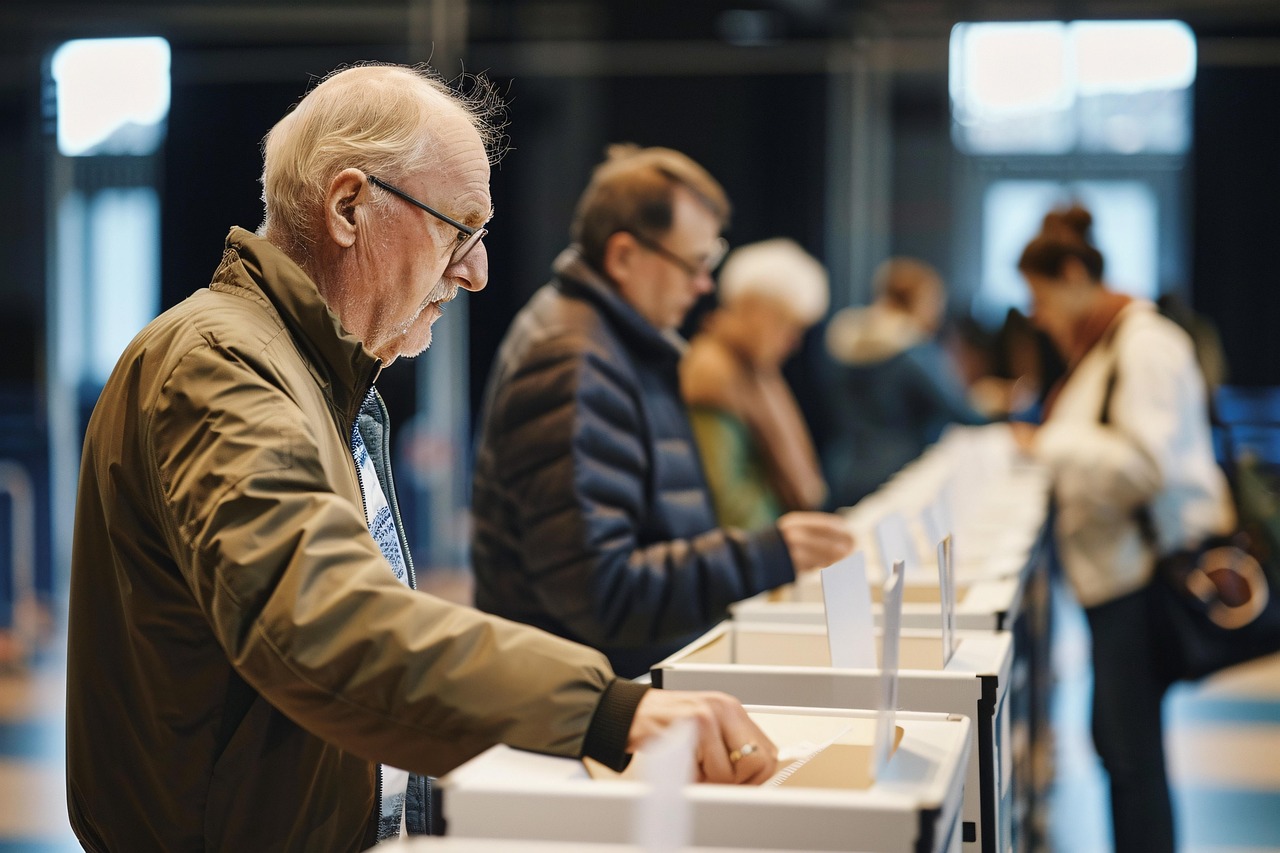
A new Reuters/Ipsos poll suggests that most American voters are unlikely to abandon their preferred political party’s candidate, even when serious controversies surround them. The findings highlight the growing political polarization in the United States and show that many voters view elections as a choice between competing parties rather than individual candidates.
According to the nationwide survey, nearly two-thirds of voters who identify with either the Democratic or Republican Party admitted they sometimes support candidates they dislike in order to prevent the opposing party from gaining power. Additionally, 76% of respondents said they often feel forced to choose the “lesser of two evils” during elections.
The poll comes as two high-profile Senate races attract national attention. In Maine, Democratic Senate hopeful Graham Platner has faced criticism over a tattoo linked to Nazi imagery and reports regarding inappropriate messages sent during his marriage. Despite these controversies, only 17% of Democrats familiar with Platner said the issues would stop them from supporting him if they were eligible to vote in Maine.
A similar trend appeared among Republicans regarding Texas Attorney General Ken Paxton. Paxton, who was indicted on fraud-related charges years ago and later faced impeachment proceedings, continues to maintain strong support within his party. Just 17% of Republicans familiar with his case said they would withhold their vote because of the allegations.
Both races could play a significant role in determining control of the U.S. Senate, where Republicans currently hold a 53-47 majority. Political analysts say the results reflect a broader shift in American politics, where partisan loyalty increasingly outweighs concerns about candidate scandals.
Experts note that independent voters may ultimately influence the outcome in both Maine and Texas. The survey found that six in ten unaffiliated voters are more likely to base their decision on the individual candidate rather than party affiliation.
As the 2026 election cycle intensifies, the ability to attract independent voters could prove decisive. While party loyalists remain firmly aligned with their political camps, undecided and independent voters may determine which candidates ultimately secure victory in these crucial Senate contests.







