


 SpaceX Nasdaq 100 Weight to More Than Double in Rebalance
  SK Hynix, Intel Discuss U.S. Memory Chip Production Deal
  Japan, U.S. Discuss $19 Billion GlobalFoundries Chip Plant
  France Urges Faster AI Push Despite Safety Risks
  Westinghouse Targets $50 Billion Valuation in U.S. IPO
  Nvidia CEO Jensen Huang Expected at Trump-Xi State Dinner
  US Federal Register Drops Alibaba Qwen AI Search Tool
  AI is supercharging money scams – here’s what you can do to protect yourself
  Databricks to Invest $350 Million in Singapore AI Expansion
  Qualcomm Gains on $60B Amazon AI Chip Deal
  Big AI wants to slow down AI research. Is it a safety pause or a strategic retreat?
  Who should own the knowledge that underpins AI technology?
  SoftBank Launches $11 Billion Bond Sale to Fund OpenAI Investment
  Microsoft Stock Upgraded as Stifel Sees Stronger Azure Growth
  Cathie Wood Backs AI Slowdown as Safety Concerns Grow
  Apple Pay Set for India Launch With Axis Bank
  Guterres Urges Stronger Global AI Safeguards Ahead of UN Assembly


 Add as a preferred source on Google
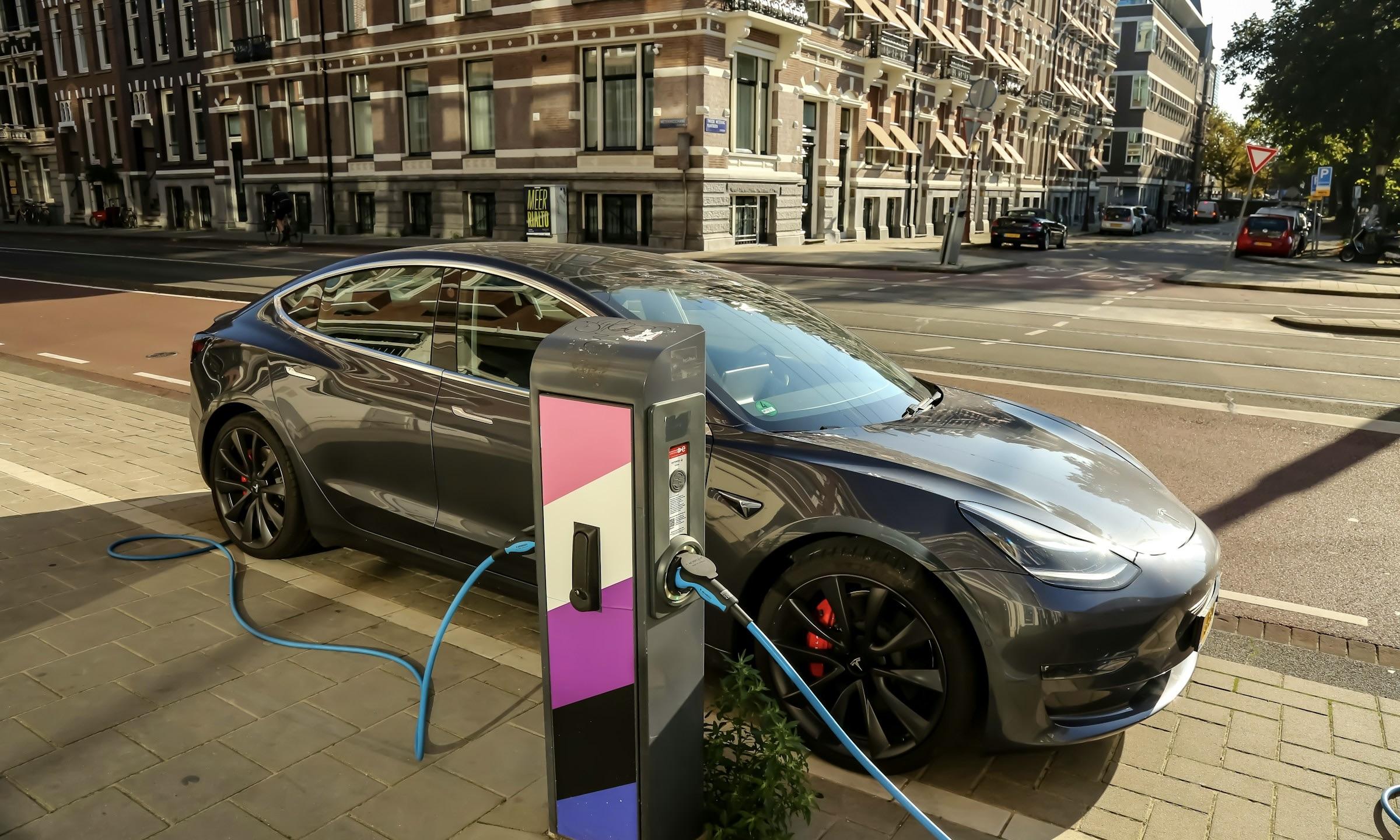
The US Treasury Department issued new guidelines on the eligibility of EV charger tax credits for individuals and businesses.
IRA Enhancements Amplify Benefits of 30C EV Charging Tax Credit
When the Inflation Reduction Act went into effect in August 2022, it provided a tax credit for up to 30% of the cost of qualified EV charging "property." Formally known as the Alternative Fuel Vehicle Refueling Property Credit, the IRA changed the limitation on the 30C EV charging tax credit so that it no longer applies per site but rather per single item of EV charging property—that is, per charger.
The US Treasury's EV charger tax credit, which can be claimed on IRS Form 8911, is restricted to $1,000 for individuals claiming home EV charging and $100,000—up from $30,000—for commercial properties. That became effective on January 1, 2023 (a year ago).
The tax credit can also be claimed directly, allowing "eligible entities such as governments and tax-exempt organizations making investments in EV infrastructure to benefit."
30C EV Charging Tax Credit: Navigating Eligibility and Expanding Infrastructure
The IRS's most recent guidance explains that in order to qualify for the 30C EV charging tax credit, individuals and businesses must live in an "eligible census tract." An eligible census tract is defined as "any population census tract that qualifies as a low-income community or that is not an urban area."
The White House announced today that qualified census tracts will "confirm that the Inflation Reduction Act's 30C EV charging tax credit is available to approximately two-thirds of Americans." The US Department of Energy and the Argonne National Laboratory have released a mapping tool to assist consumers and companies in determining if they are eligible for the 30C EV charging tax credit.
Albert Gore III, executive director of the Zero Emission Transportation Association (ZETA), stated that "as the primary incentive for charging infrastructure, 30C plays an outsized role in transitioning our nation to electric vehicles."
He added, "We … now have 170,000 publicly available EV chargers across the country. The Biden Administration set a goal of deploying 500,000 public chargers by 2030. To realize this ambitious goal, the 30C tax credit must be implemented effectively."
Photo: Rick Govic/Unsplash







