


 OpenAI Urges US-Led Global Standards for Frontier AI
  Burnham Eyes UK Leadership Role in AI Ahead of Trump Meeting
  Cathie Wood Backs AI Slowdown as Safety Concerns Grow
  Guterres Urges Stronger Global AI Safeguards Ahead of UN Assembly
  China Reviews Broadcom Switch Use in State Data Centres
  SoftBank Launches $11 Billion Bond Sale to Fund OpenAI Investment
  SK Hynix, Intel Discuss U.S. Memory Chip Production Deal
  Scott Bessent Eyed as Trump’s New AI Czar
  Hyundai CEO Warns Chinese Automakers Could Disrupt US Market
  MediaTek Unveils 2nm Dimensity 9600 Pro AI Chip
  Nvidia CEO Jensen Huang Expected at Trump-Xi State Dinner
  DOJ Will Investigate AI-Related Crimes, Attorney General Blanche Says
  Meta Partners With Shopify to Bring Shop Pay Checkout to Muse AI
  NASA, Boeing Discuss Expanding Starliner Missions
  Japan, U.S. Discuss $19 Billion GlobalFoundries Chip Plant
  France Urges Faster AI Push Despite Safety Risks
  Databricks to Invest $350 Million in Singapore AI Expansion


 Add as a preferred source on Google
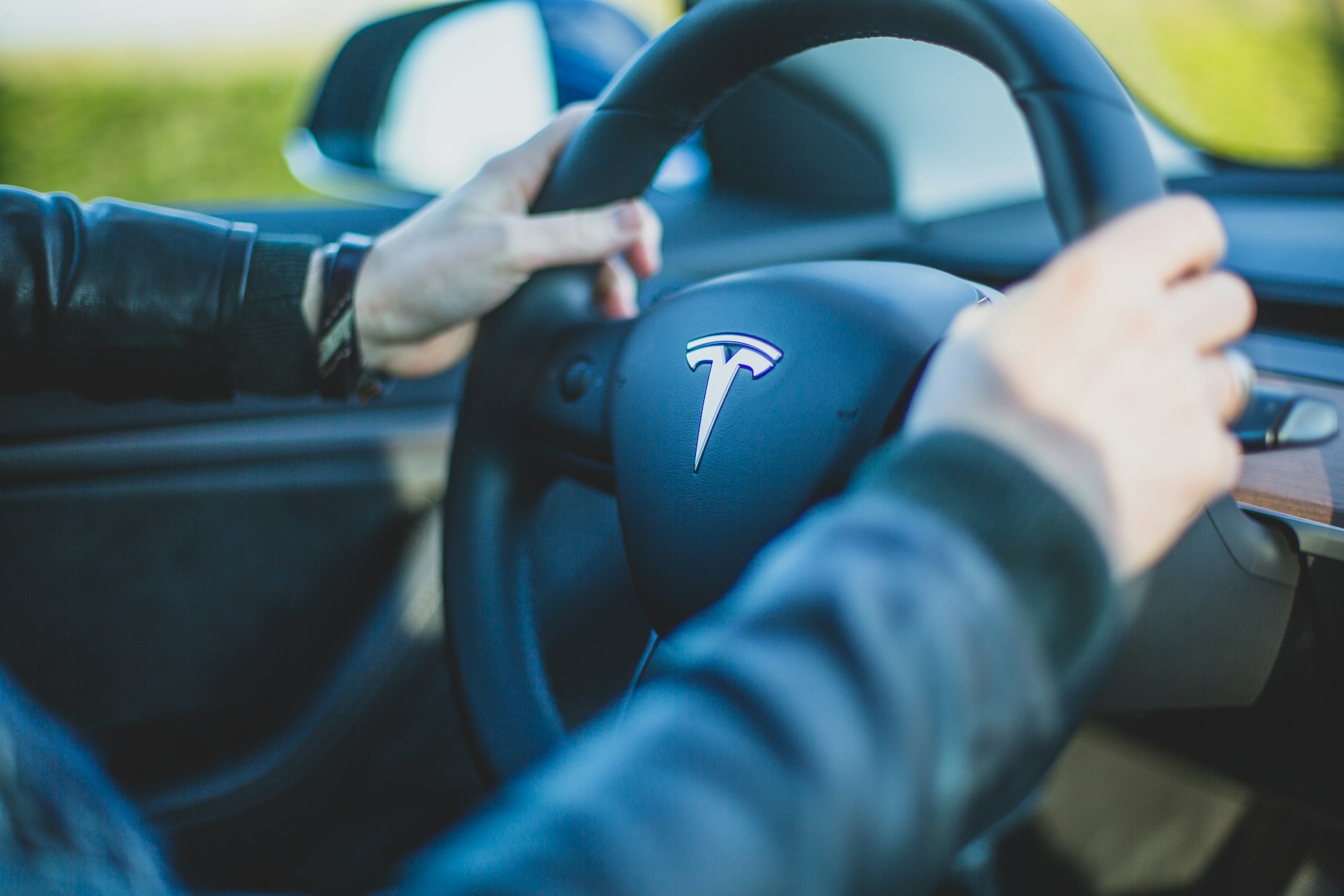
After Uber and Lyft clogged EV chargers in New York City, Tesla is using Supercharger fees to alleviate congestion.
Tesla Fights Uber and Lyft Congestion in New York City with Supercharger Congestion Fees
This week, it appears that the Superchargers are busier than usual, maybe due to an influx of Uber and Lyft vehicles at stations in Brooklyn and Queens. Tesla has sent a warning to drivers in the region, informing them that Active Supercharger Congestion Fees would be charged:
“Idle fees have been replaced by congestion fees at select Superchargers near you. Congestion fees accrue when your Supercharger is busy and your vehicle’s battery is above a certain level. This change helps reduce wait times and ensures that everyone has access to Superchargers when they need it.
Congestion fees apply when:
- Supercharger is busy
- Your vehicle’s charge is above the congestion fee charge level
View congestion fees and charge levels at which they apply on your touchscreen.”
Last year, more than 9,000 Lyft and Uber vehicles sought licenses through the New York City Taxi and Limousine Commission (TLC), and some NYC Council members worried that this could lead to traffic congestion.
The TLC lifted the quota on for-hire drivers as long as their vehicles were electric or wheelchair accessible, but there are now so many in the city that it is causing problems. Furthermore, there are only so many charging stations in the city, and several are run by Revel, the ride-sharing company that challenged the TLC for more for-hire permits several years ago.
Tesla introduced congestion fees last year in an effort to keep Supercharger lines moving when specific areas are congested. According to Tesla hacker Green's code, congestion fines will apply when vehicles charge at or above 80%.
Addressing the Charging Challenge: New York's Race to Scale EV Infrastructure Amid Surging Demand
The main issue and core difficulty is that there are a lot of EV drivers in New York, but the infrastructure has not yet advanced to the point where it can routinely handle an influx of cars in need of charging. Revel has been growing its EV recharge network around New York City, with plans to launch additional stations this year.
“Revel’s public fast-charging Superhubs have seen about four times more public utilization in the last two months, which we see as a direct outcome of the Green Rides initiative. We’re anticipating an even greater uptick as more drivers look to skip long lines and hidden fees by charging at our higher-volume Superhubs,” Spokesperson Robert Familiar told Teslarati.
The 2018 Green Rides campaign was fantastic for EV adoption, but it increased demand so dramatically that it exceeded infrastructure availability.
Jason Kersten, the NYC TLC's Press Secretary, informed the publication that there will be growing pains until the city is able to build out the necessary infrastructure. EVs are obviously a terrific thing for New York, and we discussed in depth the transitional phase that the city will go through over the next 11 years as it prepares for a completely zero-emission fleet.
TLC Commissioner David Do says infrastructure would need to catch up after drivers under the Commission rushed at the possibility of acquiring EVs last year.
“In October, we gave TLC drivers the option of owning their own EV plates instead of continuing to lease gas-powered vehicles, and many of them jumped at it. They’re now hitting the road, leading the charge towards a cleaner and more sustainable city and sending a very clear message: We need more charging infrastructure. We’re doing everything we can to meet that demand as quickly as possible. That includes the city’s commitment to install 13 fast charging hubs in municipal parking facilities citywide, a new Bronx charging depot, and 30 fast chargers at TLC’s Woodside inspection facility,” he said.
Individual drivers accounted for 88 percent of the 9,756 applications received by the TLC between October 18 and November 13. The TLC authorized 4,732 of them.
The TLC and the City of New York have collaborated to expand charging infrastructure going forward. The efforts have resulted in $15 million in federal funds for a charging depot in the Bronx, 30 fast-charging stations at the TLC's Woodside inspection center, and 13 municipal parking lots throughout the city, among other things.
Photo: Bram Van Oost/Unsplash







